
University of Oxford Opens a New Concert Hall and Cultural Venue
The University of Oxford launches the Schwarzman Centre, a major new home for the humanities. Bringing together performance, research and public engagement, it opens with an ambitious programme spanning art, technology and interdisciplinary collaboration.

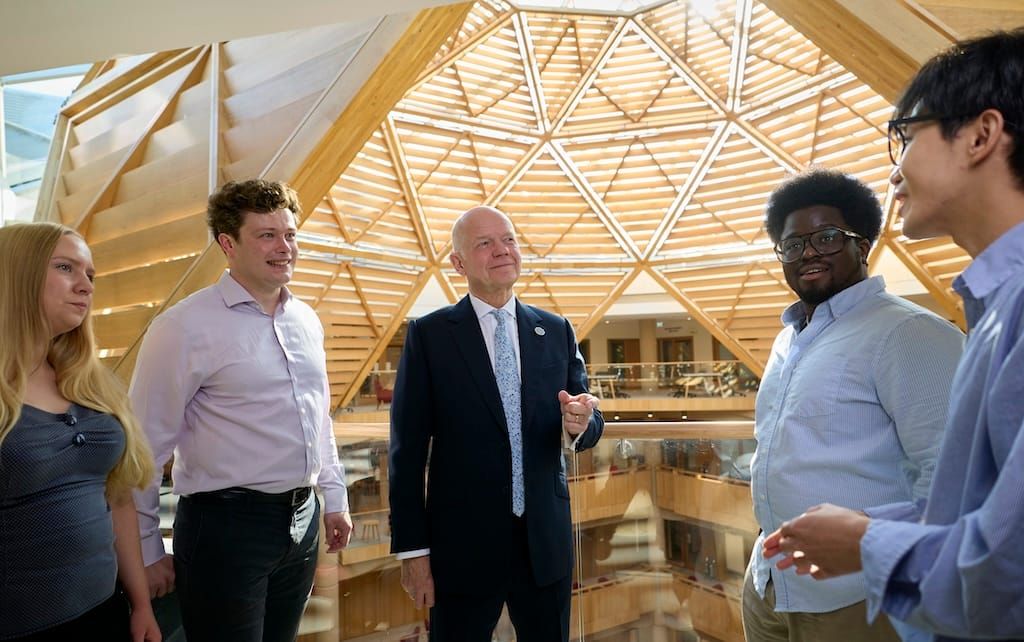
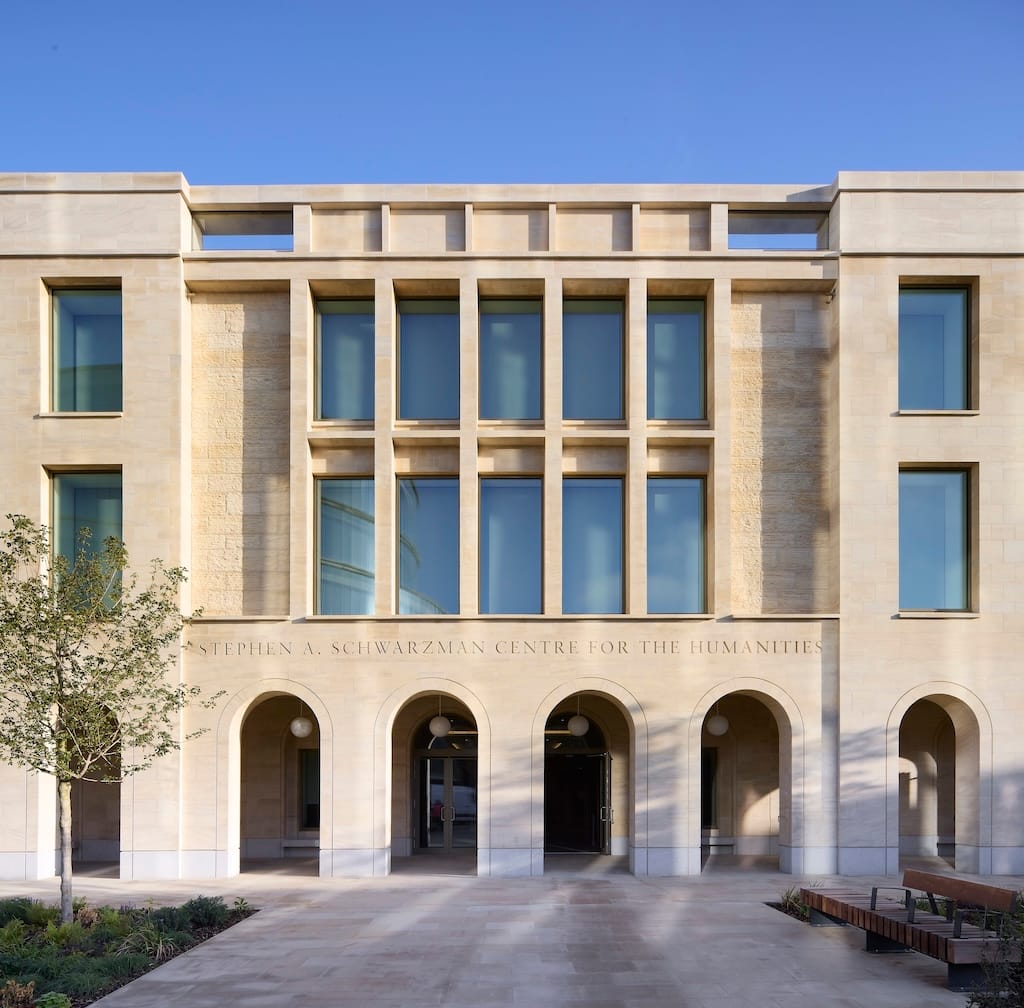
The University of Oxford will open the Stephen A. Schwarzman Centre for the Humanities to the public on 25 April 2026, marking a significant moment not only for the institution but for the cultural life of the city. Conceived as a space where artistic practice, academic research and public engagement meet, the centre represents one of the most ambitious investments in the humanities in recent decades.
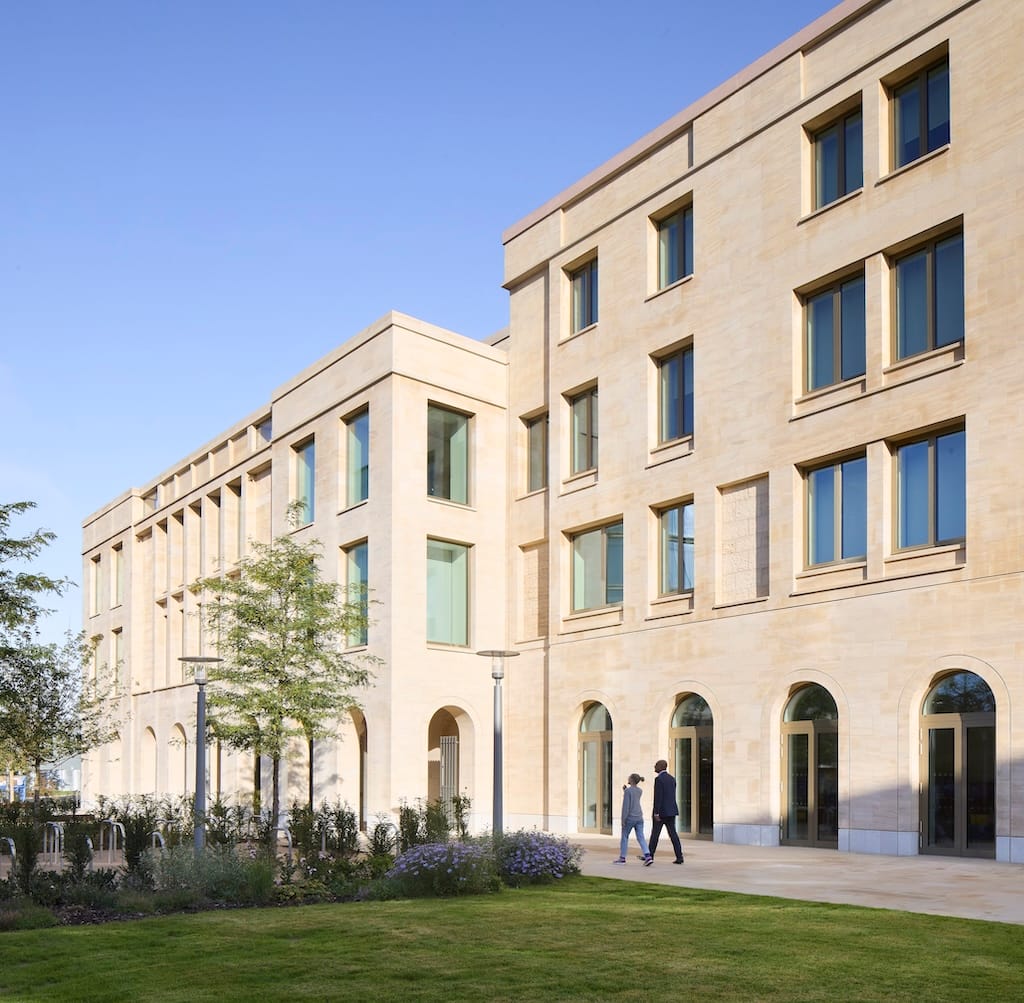
Designed by Hopkins Architects and funded by what is described as the largest single gift in the University’s modern history, the building brings together seven humanities faculties alongside the Institute for Ethics in AI, the Oxford Internet Institute and a new Bodleian Humanities Library. The intention is not simply to co-locate disciplines, but to create an environment in which new forms of collaboration can emerge.
Alexandra Vincent, Managing Director of the Schwarzman Centre, describes the ambition in terms that emphasise both accessibility and shared experience. “We are thrilled to welcome audiences into the Schwarzman Centre to experience the building alongside students and academics of the University,” she said. “Our incredible performance spaces will create a stage like no other to present our rich and varied cultural programme, drawing inspiration from the work of our world-leading academics, and welcoming audiences of all ages and backgrounds to the Centre throughout the year.”
An Opening That Invites the Public In
The launch takes the form of a free, day-long Open House festival, designed to introduce visitors to both the building and its ethos. Performances, talks and installations unfold across the centre’s spaces, offering a sense of the breadth of activity it intends to sustain.
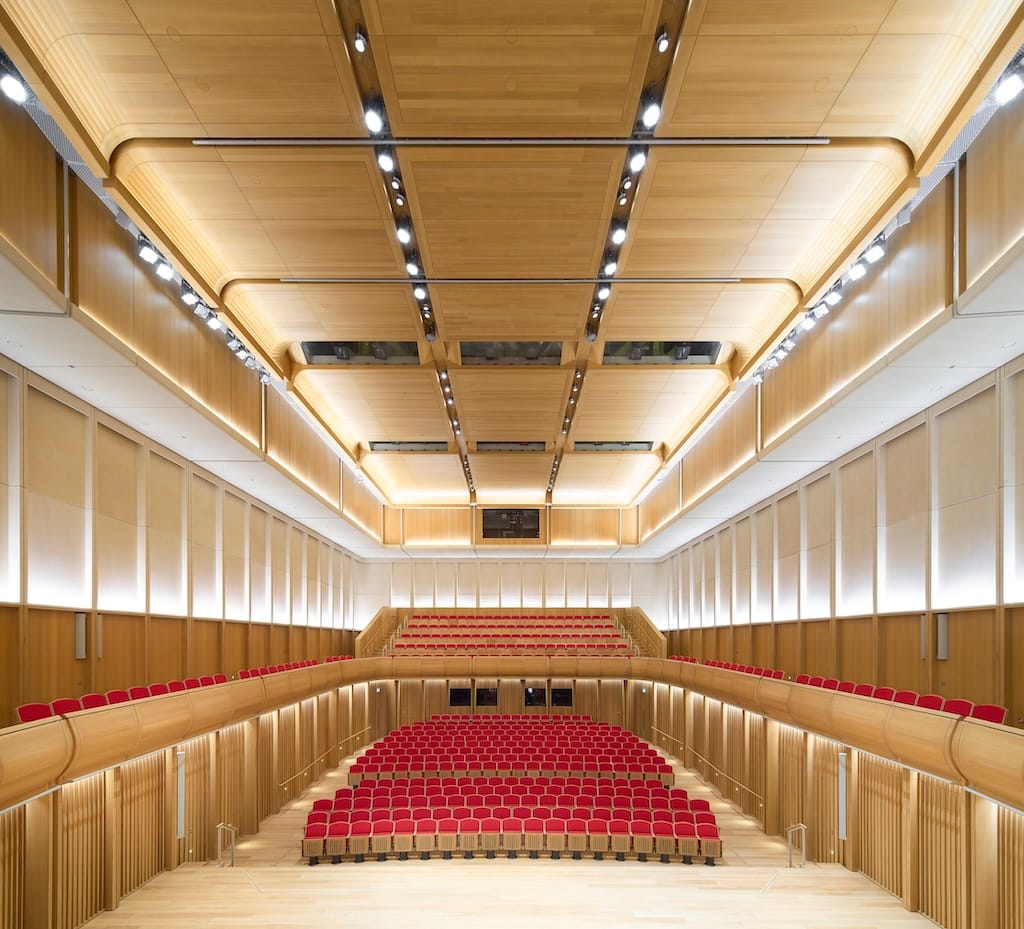
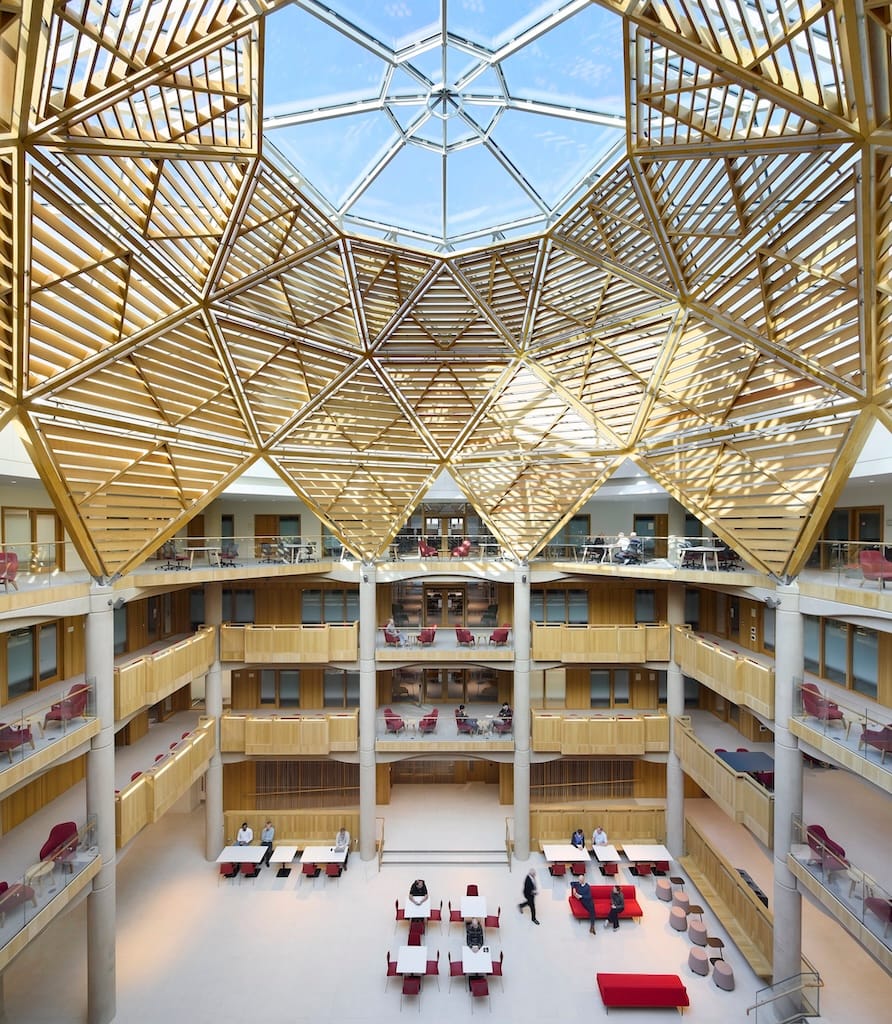
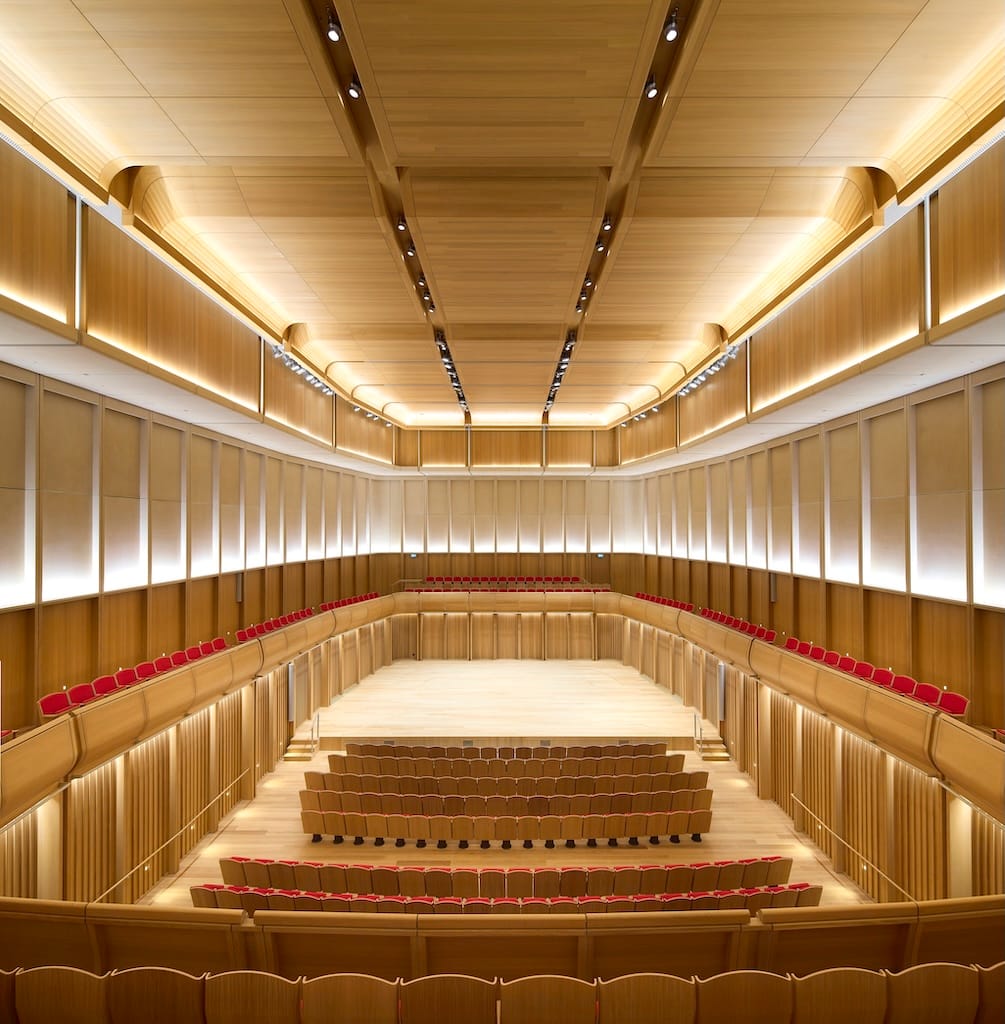
Among the highlights is the inauguration of the 500-seat Sohmen Concert Hall by the Scottish Ensemble, alongside the world premiere of 360 Vessels, a choral installation by artist Es Devlin and composer Nico Muhly. Staged beneath the glass dome of the Great Hall, the work brings together music, sculpture and text in a setting that reflects the centre’s interdisciplinary ambitions.
The programme extends beyond formal performance. Throughout the day, visitors encounter pop-up events ranging from spoken word curated by poet Yomi Ṣode to dance extracts and discussions that animate the building’s public spaces. A panel on ethical AI, led by the Institute for Ethics in AI, signals the centre’s intention to engage directly with some of the most pressing questions shaping contemporary society.
Art in the Age of Artificial Intelligence
A defining feature of the opening programme is its engagement with artificial intelligence as both a subject and a creative tool. New commissions by Refik Anadol and Anna Ridler explore how machine learning can transform the way we understand archives, images and knowledge itself.
Anadol’s immersive installation reimagines vast datasets as fluid, evolving environments, while Ridler’s work reflects on how information is constructed and interpreted. Together, they point to a broader curatorial interest in the shifting relationship between human creativity and technological systems.
This focus is closely aligned with the presence of the Institute for Ethics in AI within the building, reinforcing the idea that artistic experimentation and academic inquiry can inform one another. As Stephen A. Schwarzman himself noted, the questions surrounding the humanities and ethics have only grown more urgent. Reflecting on his original gift, he said: “The study of the Humanities and Ethics were critical to addressing some of the most fundamental questions society faced, including the impacts of AI. The pace of change since then has only made those questions more urgent.”
A Programme That Spans Disciplines
The opening is only the beginning of a year-long programme that brings together an international group of artists, writers and performers. The 2026 season includes appearances by Cynthia Erivo, Nitin Sawhney, Brian Eno and Kae Tempest, alongside a wide range of performances, talks and exhibitions.
Central to this programme is the Schwarzman Centre Cultural Fellows initiative, which brings leading artists into sustained collaboration with Oxford academics. The aim is to create new work that moves across disciplinary boundaries, combining artistic practice with scholarly research.
John Fulljames, Director of the Cultural Programme, describes this approach as fundamental to the centre’s identity. “At the Schwarzman Centre, we bring together researchers, artists, and public communities to spark new collaborations that open up and deepen the University’s research, and help us explore what it means to be human today,” he said.
Themes of Revolution and Utopia
Two themed seasons structure the centre’s inaugural year, each addressing large historical and philosophical questions through contemporary artistic practice.
Unfinished Revolutions, running from May to June, explores the legacy of the 1776 US Declaration of Independence, bringing together artists including Cécile McLorin Salvant, Taylor Mac and Lil Buck. The season examines how the promises and contradictions of that moment continue to shape political and cultural life.
Later in the year, Utopia Now! turns towards the future, inviting audiences to consider alternative ways of imagining society. With contributions from figures such as Brian Eno and Kim Stanley Robinson, the season reflects on the role of creativity in envisioning new possibilities.
Together, these strands suggest a programme that is as concerned with ideas as it is with performance, positioning the centre as a space where intellectual inquiry and artistic expression are closely intertwined.
Architecture, Sustainability and Space
The building itself plays a central role in shaping this vision. As the largest Passivhaus-certified university building in Europe, it sets a new benchmark for environmental sustainability in cultural infrastructure.
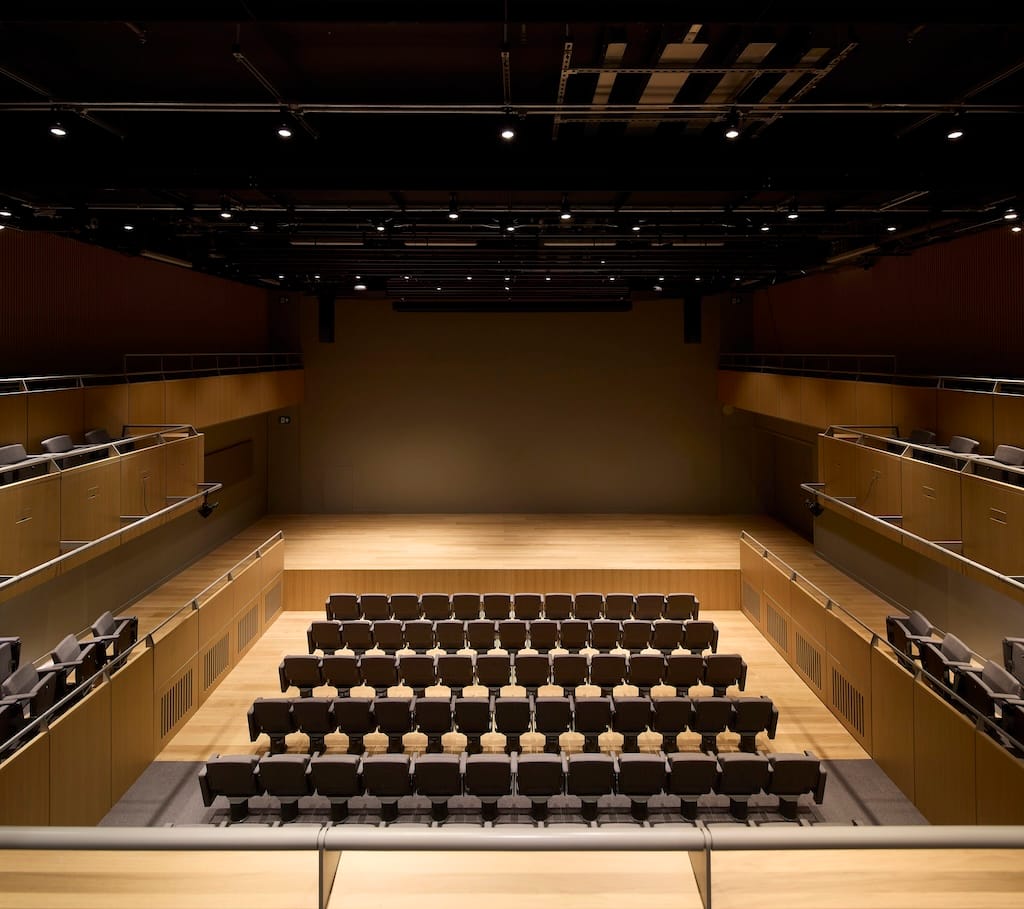
Its facilities include the Sohmen Concert Hall, described as the world’s first Passivhaus concert hall, alongside a 250-seat theatre, exhibition galleries, a cinema and a dance studio. The Great Hall, with its glass dome, functions as both a performance space and a public gathering point, while landscaped gardens extend the sense of openness beyond the building’s walls.
Lord Hague of Richmond, Chancellor of the University of Oxford, emphasised the long-term significance of the project. “This extraordinary investment represents an enormous vote of confidence in the humanities,” he said. “The perspectives of humanities experts have never been more important in confronting the big challenges facing the world, including AI, human rights and the environment.”
A Renewed Case for the Humanities
The opening of the Schwarzman Centre comes at a time when the role of the humanities is often questioned, particularly in the face of rapid technological change. By creating a space where artistic practice, scholarship and public engagement intersect, Oxford is making a clear statement about their continuing relevance. More than a new building, the centre positions itself as a platform for dialogue. It invites audiences not only to experience performances and exhibitions, but to engage with the ideas that underpin them. In doing so, it seeks to bridge the gap between academic research and public life, offering a model for how cultural institutions might evolve in the years ahead.