
The Baroque Period: Key Composers and Works
Explore the brilliance of the Baroque period through the groundbreaking works of Bach, Handel, Vivaldi, Monteverdi, and Purcell. This article examines the era’s dramatic innovations, sacred masterpieces, operatic beginnings, and lasting influence on the evolution of Western classical music.

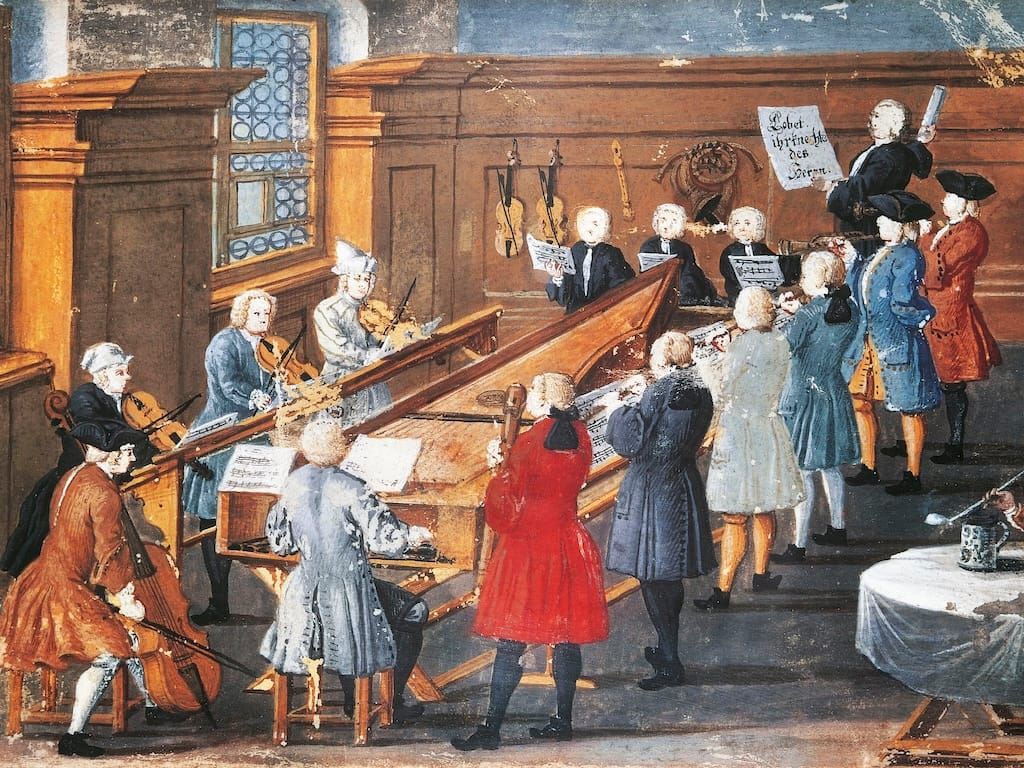
The Baroque period remains one of the most influential and fascinating eras in the history of Western classical music. Spanning roughly from 1600 to 1750, it was a time of artistic grandeur, emotional intensity, and dramatic innovation. Music became more expressive, more technically ambitious, and increasingly central to religious, political, and social life across Europe. The foundations of many modern musical forms were established during this era, including opera, concerto, sonata, and oratorio.
The term “Baroque” originally came from architecture and visual art, describing elaborate ornamentation and dramatic contrasts. These same qualities can be heard clearly in Baroque music. Rich textures, energetic rhythms, decorative melodies, and emotional storytelling defined the sound of the period. Composers experimented boldly with harmony and instrumental colour, creating works that still captivate audiences centuries later.
The Baroque period also witnessed the rise of virtuoso performers and the development of orchestras. Instruments such as the violin, harpsichord, recorder, trumpet, and organ flourished. Courts, churches, and opera houses became centres of musical creativity, allowing composers to push artistic boundaries in remarkable ways.
Among the many composers of the era, several figures stand out for their enduring influence and extraordinary masterpieces.
Claudio Monteverdi and the Birth of Opera
Any discussion of Baroque music must begin with Claudio Monteverdi, one of the most important transitional figures between the Renaissance and Baroque eras. Monteverdi transformed music by prioritising emotional expression and dramatic storytelling.
His opera L'Orfeo, first performed in 1607, is widely regarded as one of the earliest great operas. Drawing on the Greek myth of Orpheus, the work combines vocal beauty, instrumental colour, and theatrical drama in a way that was revolutionary for its time. Monteverdi demonstrated how music could deepen emotional narrative and psychological complexity.
Another landmark work, The Coronation of Poppea, showcased a more realistic and human approach to opera. Unlike earlier moralistic dramas, the opera presents ambition, desire, and political intrigue with striking emotional nuance.
Monteverdi’s innovations laid the groundwork for the future of opera and influenced generations of composers who followed.
Johann Sebastian Bach: The Master of Counterpoint
No Baroque composer is more revered today than Johann Sebastian Bach. His music represents the intellectual and spiritual height of the Baroque era. Bach combined technical brilliance with profound emotional depth, creating works that continue to inspire performers, scholars, and listeners alike.
Bach excelled in nearly every genre of his time except opera. His sacred music, keyboard works, orchestral compositions, and chamber music remain central to the classical repertoire.
Among his greatest achievements is the Brandenburg Concertos, a collection of six concertos that display extraordinary inventiveness and instrumental variety. Each concerto explores different combinations of instruments, highlighting Bach’s mastery of texture and form.
The Mass in B Minor stands as one of the monumental sacred works in Western music. Combining grandeur, spirituality, and intricate choral writing, it demonstrates Bach’s unparalleled command of counterpoint.
Keyboard music was another area where Bach made lasting contributions. Collections such as The Well-Tempered Clavier explored all major and minor keys, helping establish the system of tonal harmony that would dominate Western music for centuries.
Bach’s music was admired during his lifetime primarily by fellow musicians rather than the wider public. However, later generations recognised his genius, and today he is often regarded as one of the greatest composers in history.
George Frideric Handel and Musical Grandeur
George Frideric Handel brought a sense of theatrical splendour and melodic richness to Baroque music. Although born in Germany, Handel spent much of his career in England, where he became famous for both opera and oratorio.
His most celebrated work is undoubtedly Messiah. First performed in Dublin in 1742, the oratorio remains one of the most beloved choral works ever written. The famous “Hallelujah” chorus has become a cultural icon, recognised even by audiences unfamiliar with classical music.
Unlike opera, oratorio was performed without costumes or staging, often focusing on religious themes. Handel’s genius lay in his ability to combine dramatic intensity with memorable melodies and majestic choruses.
Handel also composed a wealth of orchestral music, including Water Music and Music for the Royal Fireworks. These works reflect the ceremonial elegance and public grandeur associated with Baroque courts.
His music possesses an immediacy and accessibility that continue to appeal to modern audiences.
Antonio Vivaldi and the Virtuoso Concerto
Antonio Vivaldi helped shape the concerto into one of the defining forms of the Baroque era. A violin virtuoso and prolific composer, Vivaldi wrote hundreds of concertos that showcased dazzling instrumental technique and vivid musical imagery.
His most famous work, The Four Seasons, remains among the most popular pieces in classical music. This set of four violin concertos musically depicts scenes from nature, including birdsong, thunderstorms, flowing streams, and icy winter winds.
Vivaldi’s music is characterised by rhythmic vitality, bright melodies, and dramatic contrasts between soloist and orchestra. His approach influenced countless composers, including Bach, who studied and adapted several of Vivaldi’s works.
In addition to concertos, Vivaldi composed operas, sacred music, and chamber works, though much of his output was forgotten after his death and rediscovered centuries later.
Henry Purcell and the English Baroque
England produced one of its finest composers in Henry Purcell. Despite dying at the age of only thirty six, Purcell created music of remarkable originality and emotional power.
His opera Dido and Aeneas remains a masterpiece of English Baroque music. The tragic aria “When I am laid in earth,” often known as Dido’s Lament, is celebrated for its heartbreaking beauty and expressive intensity.
Purcell combined English musical traditions with influences from French and Italian styles, producing works that were sophisticated yet deeply moving. He also composed sacred music, theatre music, and instrumental works that helped shape the English Baroque identity.
Arcangelo Corelli and Instrumental Elegance
Arcangelo Corelli played a crucial role in developing violin technique and instrumental composition. His music emphasised clarity, balance, and graceful melody.
Corelli’s trio sonatas and concerti grossi became models for later composers. The concerto grosso form, which contrasts a small group of soloists with a larger ensemble, was particularly influential during the Baroque era.
His work Christmas Concerto remains one of the finest examples of Baroque instrumental writing. Corelli’s elegant style had a profound impact across Europe, influencing composers including Handel and Vivaldi.
Baroque Music and Religion
Religion played a central role in Baroque musical life. Churches commissioned elaborate sacred works designed to inspire awe and devotion. Catholic and Protestant traditions both contributed significantly to musical development.
In Catholic regions, composers often wrote large scale masses and motets for grand cathedrals and court chapels. In Protestant Germany, chorales and cantatas became central forms of worship music.
Bach’s church cantatas exemplify the spiritual depth of Protestant Baroque music. Handel’s oratorios reflect the dramatic potential of sacred storytelling. The organ also emerged as one of the era’s most important instruments, particularly in church settings.
The Rise of Instrumental Music
Although vocal music remained dominant early in the Baroque period, instrumental music gradually achieved equal importance. Advances in instrument construction allowed for greater technical possibilities and richer tonal colours.
The violin family flourished during this period, particularly through the work of Italian makers such as Stradivari and Guarneri. Keyboard instruments like the harpsichord and organ also became increasingly sophisticated.
New musical forms emerged, including the sonata, suite, fugue, and concerto. Composers explored contrast, virtuosity, and expressive possibilities in unprecedented ways.
Dance rhythms were another defining feature of Baroque music. Many instrumental suites incorporated dances such as the allemande, courante, sarabande, and gigue. Even today, these rhythmic patterns continue to influence classical composition and performance.
The Legacy of the Baroque Era
The Baroque period ended around 1750, the year of Bach’s death, but its influence never disappeared. The innovations of Baroque composers shaped the Classical era and beyond. Composers such as Wolfgang Amadeus Mozart and Ludwig van Beethoven studied and admired the works of Bach and Handel.
Today, Baroque music enjoys immense popularity. Historically informed performances using period instruments have helped audiences rediscover the sounds and styles of the era with fresh authenticity.