The Virtuoso Composers: How Paganini and Liszt Dazzled with Technique
Paganini and Liszt transformed virtuosity into spectacle and innovation, redefining performance through astonishing technique. Their music expanded expressive possibilities, reshaped audience expectations, and established the performer-composer as a central figure in Romantic musical culture.

In the early nineteenth century, Europe witnessed the emergence of a new kind of musical figure. The virtuoso was no longer simply a highly skilled performer but a cultural phenomenon. Audiences gathered not only to hear music but to witness astonishing feats of technique that seemed to stretch the limits of human ability. This shift marked an important moment in musical history, one in which performance itself became a form of spectacle.
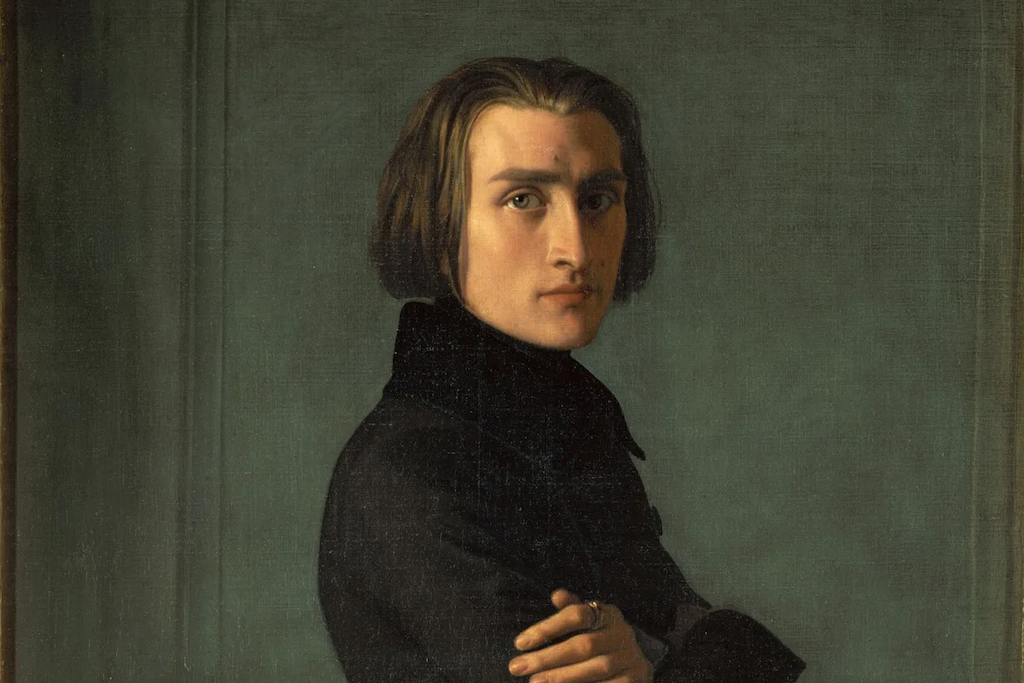
Among the many celebrated figures of this era, two stand above all others: Niccolò Paganini and Franz Liszt. Both were composer-performers who reshaped their instruments and transformed audience expectations. Their influence extended far beyond their own careers, helping to define the Romantic ideal of the artist as both creator and performer.
Paganini and the Theatre of the Violin
Paganini was perhaps the first true instrumental superstar. His performances were surrounded by an aura of mystery and fascination. Audiences were often left bewildered by what they heard, unable to reconcile the sounds with what they believed possible on the violin. His striking appearance and intense stage presence only added to his legend, giving rise to rumours that his abilities were somehow supernatural.
At the heart of Paganini’s artistry lay a radical expansion of violin technique. His 24 Caprices for Solo Violin remain among the most demanding works ever written for the instrument. Each caprice explores a different technical challenge while maintaining a strong musical identity. He employed left hand pizzicato, allowing him to pluck strings with one hand while bowing with the other. He used ricochet bowing to produce rapid cascades of notes, and he wrote passages that required extreme finger stretches and swift shifts across the fingerboard.
What made these innovations remarkable was not simply their difficulty but their expressive purpose. Paganini understood that technique could serve drama. The visible effort required to execute such passages heightened the audience’s sense of tension and release. Listeners became aware of the physicality of performance, and this awareness intensified their emotional engagement. In this way, Paganini transformed virtuosity into a kind of theatre, where the act of playing was as compelling as the music itself.
Liszt and the Reinvention of the Piano
If Paganini redefined the violin, Liszt did the same for the piano. After hearing Paganini perform in Paris, Liszt resolved to achieve a similar level of brilliance on his own instrument. This ambition led to a period of intense study, after which he emerged as one of the most extraordinary pianists of his time.
Liszt’s performances were legendary. The phenomenon later described as “Lisztomania,” a term associated with Heinrich Heine, reflects the extraordinary reactions of his audiences. Admirers followed him across Europe, eager to witness his playing and to be part of the excitement that surrounded his appearances.
Technically, Liszt expanded the possibilities of the piano in unprecedented ways. His compositions explore the full range of the instrument, from powerful bass sonorities to delicate high register textures. He employed wide leaps, rapid octaves, repeated notes, and complex layering to create an almost orchestral sound. Works such as the Transcendental Études demand not only technical precision but also stamina and interpretative depth.
Liszt also transformed the format of the concert itself. He popularised the solo piano recital, placing the performer alone on stage and presenting a carefully structured programme. This innovation shifted the focus entirely onto the individual artist and helped establish the modern idea of the concert pianist as a central figure in musical life.
Virtuosity as a Creative Force
What unites Paganini and Liszt is their understanding of virtuosity as a means of artistic innovation. For both composers, technique was not an end in itself but a tool for expanding musical expression. Their works function as laboratories in which new ideas are explored and refined.
Both composers influenced a wide circle of musicians. Paganini’s innovations inspired composers such as Johannes Brahms, while Liszt’s harmonic language and formal experiments had a lasting impact on figures including Richard Wagner and Sergei Rachmaninoff. In each case, technical exploration led to broader artistic developments.
They also reshaped the relationship between performer and audience. Concerts became more focused, more intense, and more centred on the individual. The performer was no longer just an interpreter of music but a creative force in their own right. This shift played a crucial role in shaping the culture of Romantic music.
The Legacy of Dazzlement
The music of Paganini and Liszt continues to challenge performers today. Their works are often seen as benchmarks of technical mastery, yet they also demand imagination and sensitivity. Beneath the surface brilliance lies a rich expressive world that rewards careful interpretation.
Their legacy invites us to reconsider what virtuosity truly means. It is not simply a matter of speed or volume but of expanding the expressive range of an instrument and engaging the listener in a meaningful way. Paganini and Liszt demonstrated that technique, when placed in the service of artistic vision, can become a powerful means of communication.