How Italian Opera Took Over Europe
From Monteverdi's early masterpieces to Verdi's global triumphs, Italian opera became Europe's dominant musical language. Discover how Italy's singers, composers, and theatres transformed a local art form into an international cultural phenomenon.

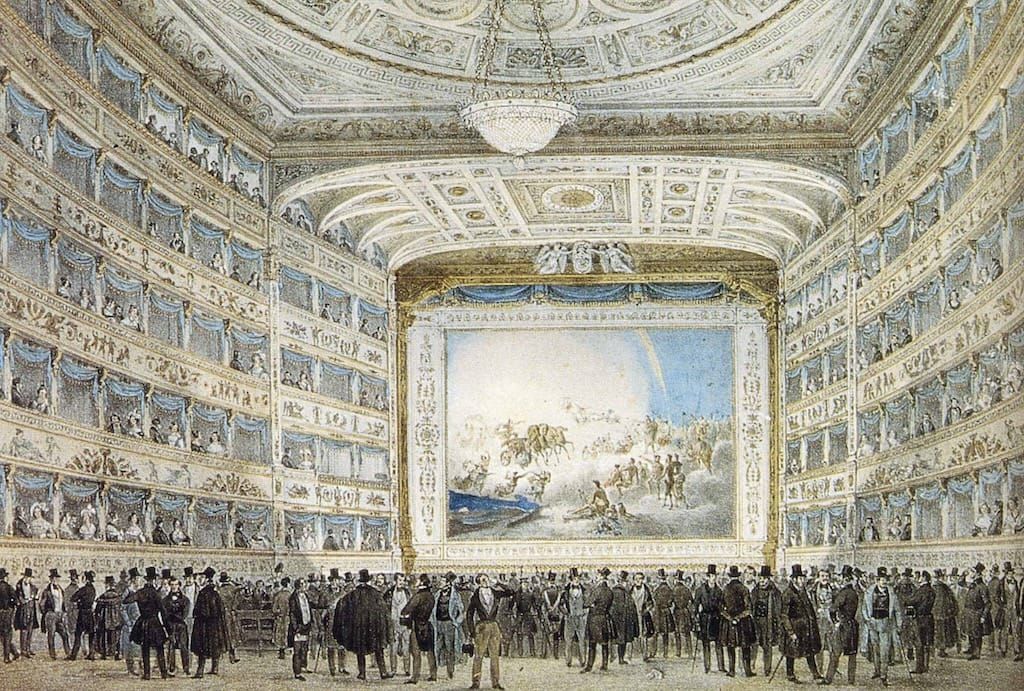
Opera is often regarded as one of Europe's greatest artistic achievements, combining music, drama, poetry, visual arts, and dance into a single expressive form. While many nations eventually developed their own operatic traditions, it was Italian opera that dominated the European musical landscape for more than two centuries. From the courts of seventeenth-century Italy to the grand theatres of Vienna, London, Paris, and beyond, Italian opera became the continent's preferred form of musical entertainment and artistic prestige.
How did a distinctly Italian art form achieve such extraordinary influence? The answer lies in a combination of artistic innovation, political patronage, cultural prestige, and the universal appeal of Italian musical style.
The Birth of Opera in Italy
Opera originated in Italy around the turn of the seventeenth century. A group of intellectuals and musicians in Florence, known as the Florentine Camerata, sought to recreate the dramatic power of ancient Greek theatre. They believed that Greek tragedies had been sung rather than spoken and experimented with a new style of musical storytelling.
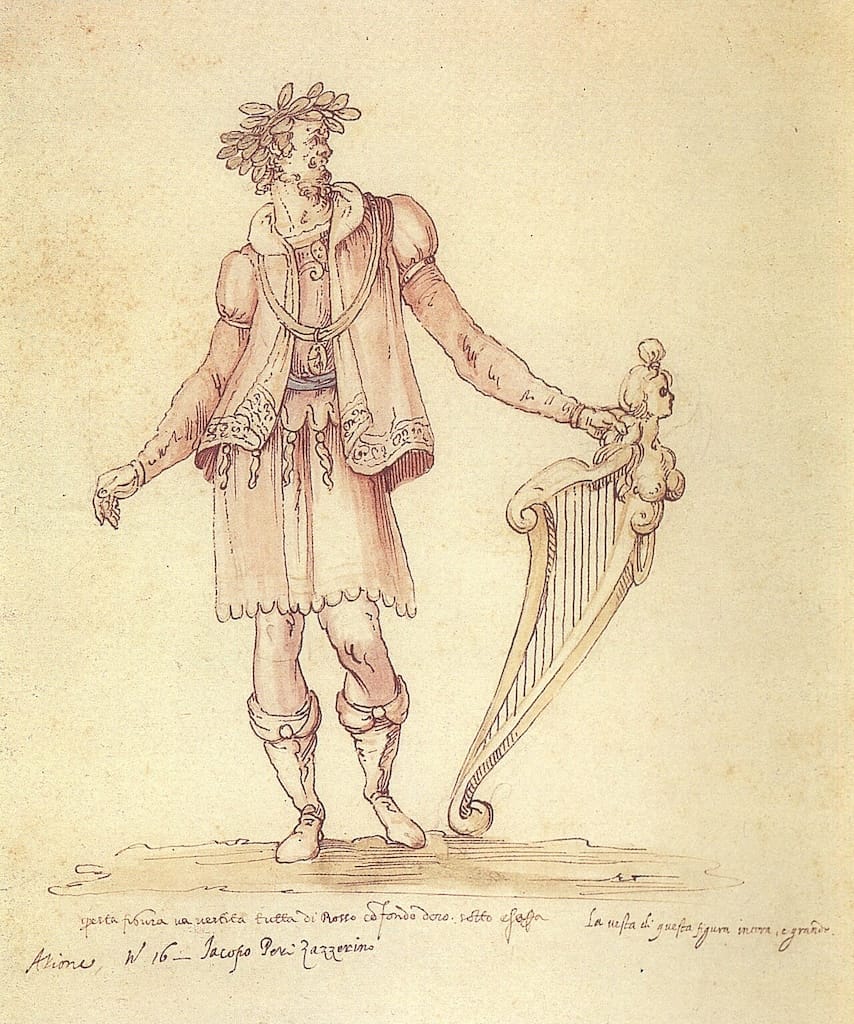
Among the earliest operas was Euridice by Jacopo Peri, first performed in 1600. However, it was Claudio Monteverdi's L'Orfeo of 1607 that demonstrated the true artistic potential of the new genre. Monteverdi combined expressive singing, dramatic characterization, and innovative orchestration to create a work that still captivates audiences today.
From these beginnings, opera quickly spread throughout Italy. Cities such as Florence, Mantua, Venice, Naples, and Rome became important centres of operatic activity. By the mid-seventeenth century, opera had evolved from an aristocratic court entertainment into a public art form accessible to paying audiences.
Venice and the Rise of Public Opera
One of the most important developments in opera's history occurred in Venice. In 1637, the city opened the world's first public opera house, Teatro San Cassiano. Unlike court performances, which were reserved for nobles and invited guests, public opera houses sold tickets to anyone who could afford them.
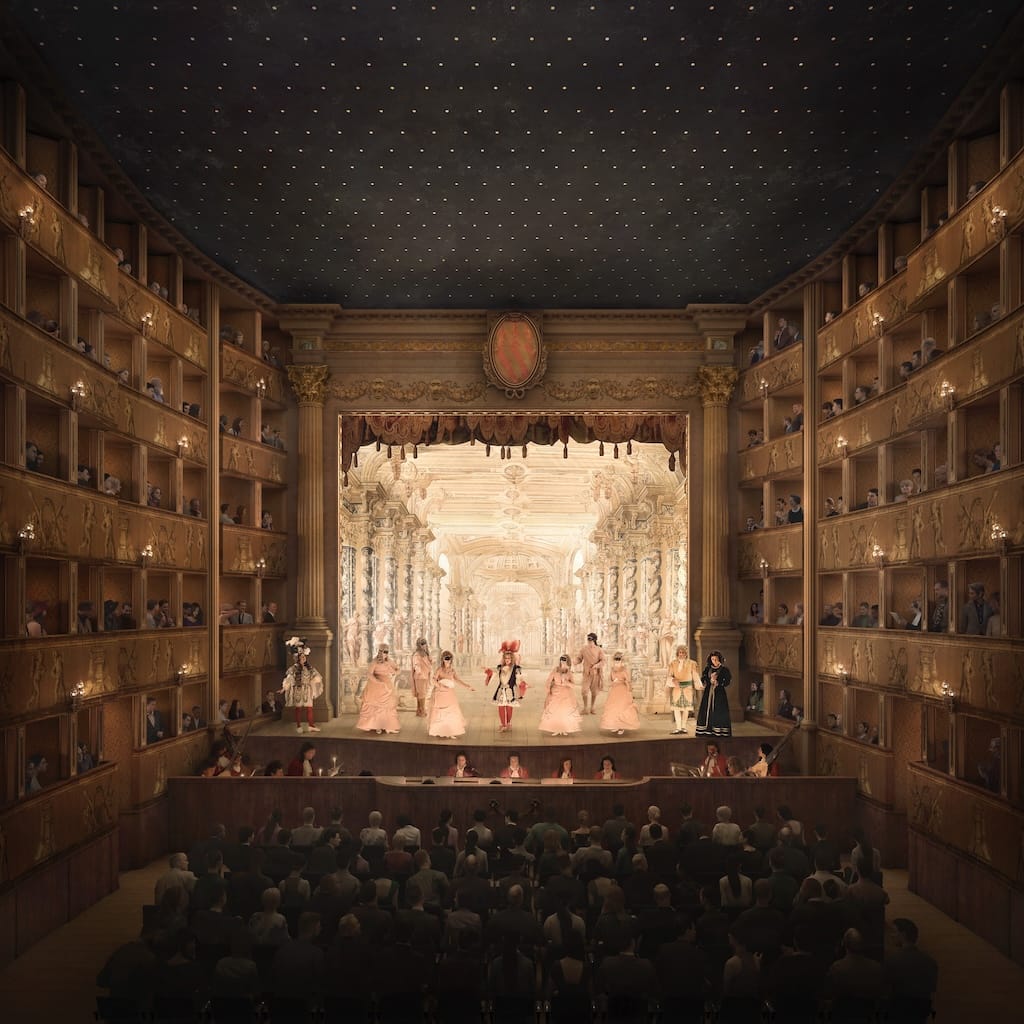
This commercial model transformed opera into a thriving industry. Venice soon became home to numerous opera houses, attracting composers, singers, librettists, and audiences from across Europe. During the city's famous carnival season, visitors flocked to Venice to experience lavish productions featuring elaborate sets, spectacular costumes, and virtuosic singing.
Foreign travelers who witnessed these performances often returned home inspired to introduce Italian opera to their own countries. Venice effectively became an international showroom for the art form.
The Power of the Italian Language
Another factor behind opera's success was the Italian language itself. Italian was widely regarded as one of Europe's most musical languages. Its open vowels, flowing rhythms, and natural lyricism made it particularly suitable for singing.
Composers found that Italian allowed melodies to unfold gracefully and clearly. Audiences, even those who did not understand the language, often appreciated its beauty and expressiveness. As a result, Italian became the international language of opera in much the same way that Latin had served as the language of scholarship.
Throughout the eighteenth century, operas were frequently performed in Italian regardless of the country in which they were staged. Courts and theatres from London to Saint Petersburg often preferred Italian librettos to local-language alternatives.
Star Singers and the Cult of Virtuosity
Italian opera also benefited from the rise of celebrity performers. The eighteenth century saw the emergence of internationally famous singers whose reputations rivaled those of modern film stars.
Among the most celebrated were the castrati, male singers who retained unusually high vocal ranges due to a controversial medical practice performed before puberty. Singers such as Farinelli became legendary figures throughout Europe. Their extraordinary vocal abilities attracted enormous audiences and helped spread the popularity of Italian opera.
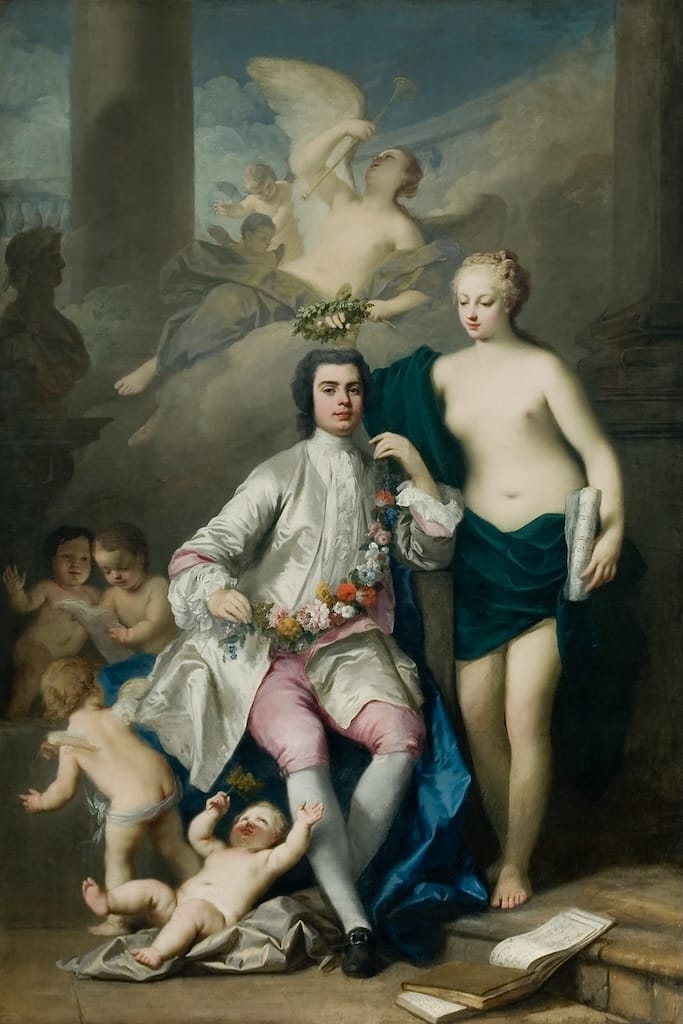
Opera audiences increasingly attended performances to hear famous singers display their technical brilliance. Composers responded by writing increasingly elaborate arias filled with dazzling runs, ornaments, and dramatic flourishes.
This emphasis on vocal virtuosity became one of Italian opera's defining characteristics and a major reason for its appeal.
Royal Courts Embrace Italian Opera
During the seventeenth and eighteenth centuries, European rulers competed to demonstrate their wealth, sophistication, and cultural refinement. Italian opera became one of the most effective ways to achieve this goal.
Many monarchs imported Italian composers, singers, and librettists to their courts. Italian opera companies traveled extensively, bringing their productions to major cultural centres throughout Europe.
In Austria, the Habsburg emperors enthusiastically supported Italian opera. Vienna became one of the genre's most important centres outside Italy. In Germany, numerous princely courts employed Italian musicians and staged Italian works.
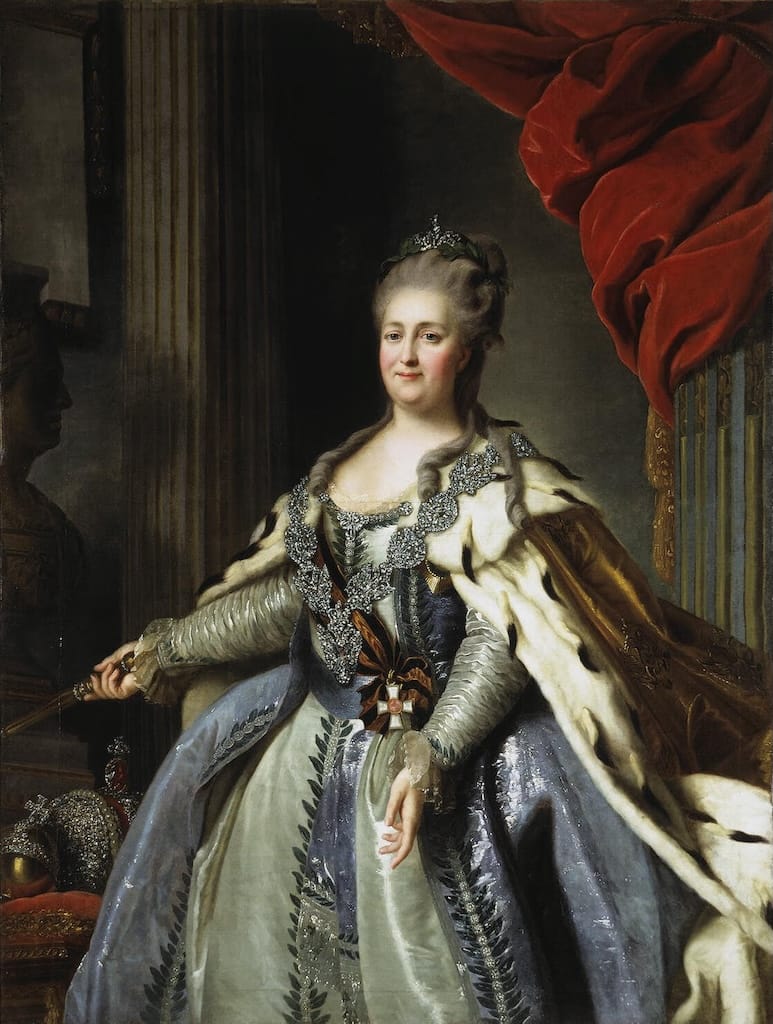
Even in Russia, rulers such as Empress Anna and Catherine the Great invited Italian artists to help establish an operatic tradition. The prestige associated with Italian culture made opera a powerful symbol of political and social status.
Handel and Italian Opera in London
The influence of Italian opera reached one of its most remarkable peaks in eighteenth-century London. Although England had its own theatrical traditions, Italian opera became immensely fashionable among the aristocracy.
The German-born composer George Frideric Handel played a central role in this development. After studying in Italy and absorbing its musical style, Handel settled in London and composed a series of Italian operas that captivated audiences.
Works such as Giulio Cesare, Rodelinda, and Alcina demonstrated the dramatic possibilities of Italian opera while appealing to British tastes. Wealthy patrons eagerly supported these productions, and attending Italian opera became an important social activity.
Although public enthusiasm eventually shifted toward other forms of musical theatre, Italian opera left a lasting mark on London's cultural life.
Opera Seria and a Shared European Style
By the eighteenth century, a highly standardized form known as opera seria dominated many European stages. These serious operas typically drew their stories from ancient history and mythology. They emphasized noble characters, moral lessons, and formal structures.
Composers from various countries adopted this Italian model. Even musicians who were not Italian often composed operas in the Italian style. The result was a shared European musical language that transcended national boundaries.
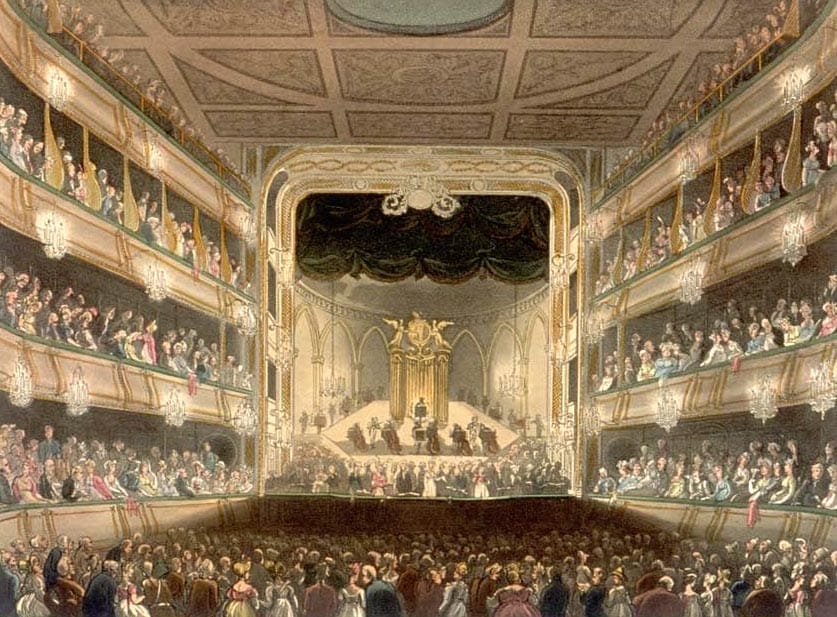
Composers such as Johann Adolf Hasse, Christoph Willibald Gluck, and even Wolfgang Amadeus Mozart contributed significantly to this tradition. Mozart's Le nozze di Figaro, Don Giovanni, and Così fan tutte all use Italian librettos despite being written by an Austrian composer.
Italian opera had become an international art form.
Challenges from National Traditions
Italian dominance did not go unchallenged. France developed its own distinctive operatic style through composers such as Jean-Baptiste Lully and Jean-Philippe Rameau. French opera placed greater emphasis on dance, spectacle, and the French language.
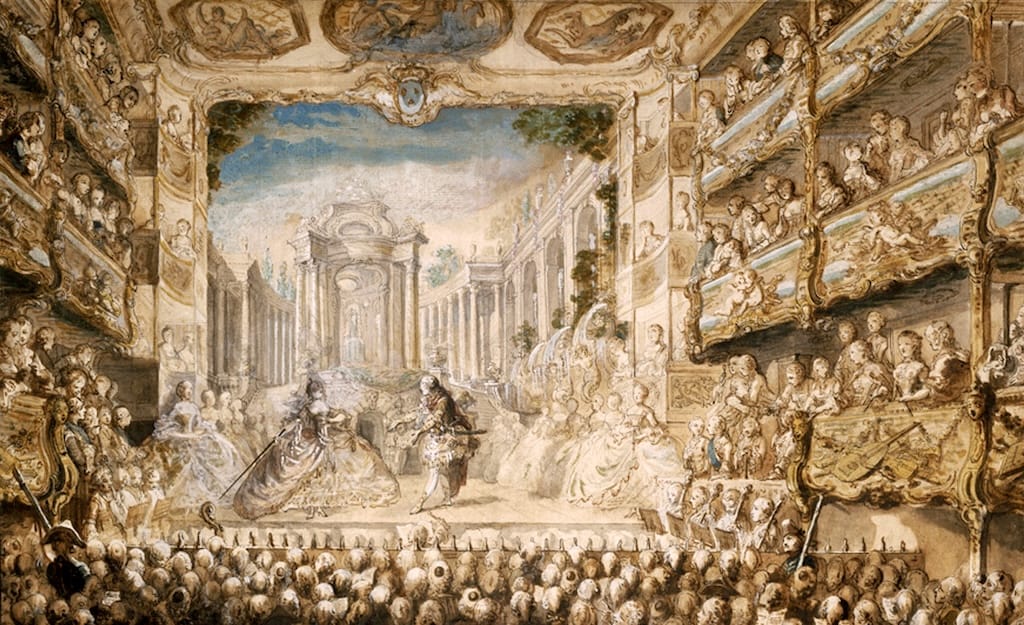
In Germany, composers gradually sought to create works that reflected local traditions. England developed popular alternatives such as ballad opera.
Yet even as national schools emerged, Italian influence remained pervasive. Many composers borrowed Italian techniques, vocal styles, and musical structures. The Italian approach continued to serve as a benchmark against which other operatic traditions defined themselves.
The Nineteenth Century and Global Influence
Italian opera experienced another golden age during the nineteenth century through composers such as Gioachino Rossini, Vincenzo Bellini, Gaetano Donizetti, and Giuseppe Verdi.
Their works achieved extraordinary international popularity. Operas like The Barber of Seville, Norma, Lucia di Lammermoor, Rigoletto, La Traviata, and Aida became staples of theatres around the world.
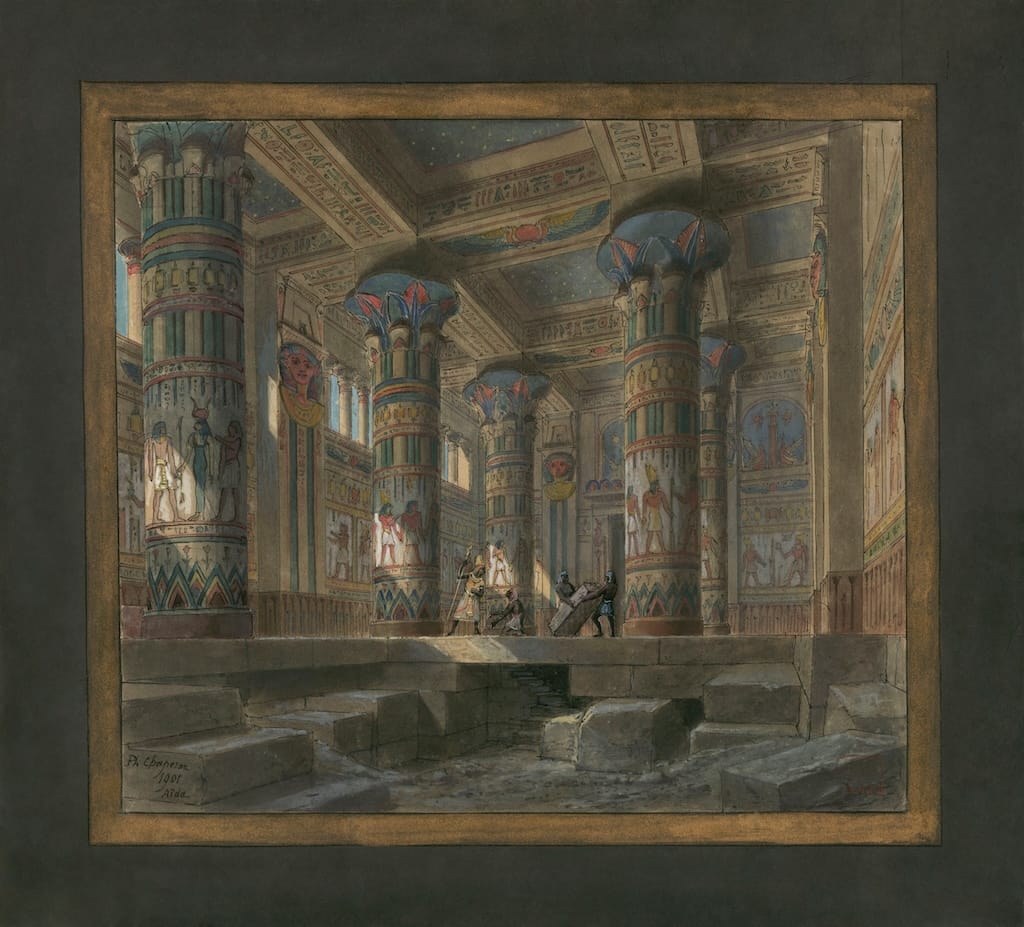
The bel canto tradition, characterized by beautiful singing and expressive vocal lines, continued to attract audiences. Verdi's powerful dramatic instincts further expanded opera's emotional and political reach.
By this time, Italian opera had moved beyond Europe entirely. It was being performed throughout the Americas and increasingly in other parts of the world, cementing its status as a global art form.