Roger Zahab on Music, Memory, and Connection
Roger Zahab reflects on ‘Magic & Desire’, collaboration with Gilda Lyons, and a lifetime in music, offering insights into intimacy, authorship, and how sound can shape human connection across time and shared artistic experience.
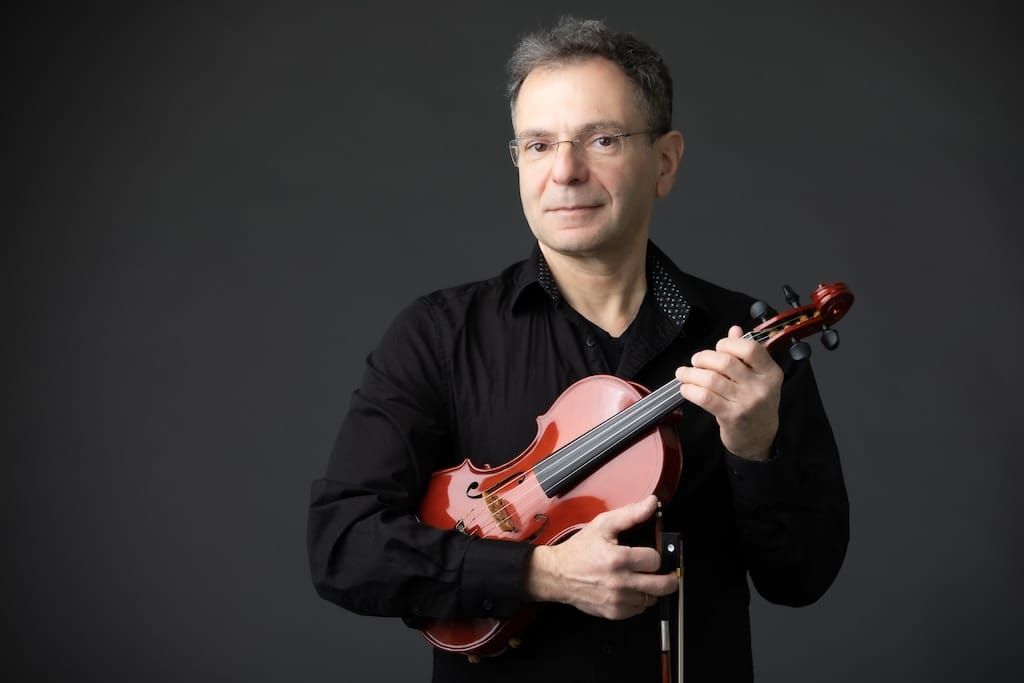
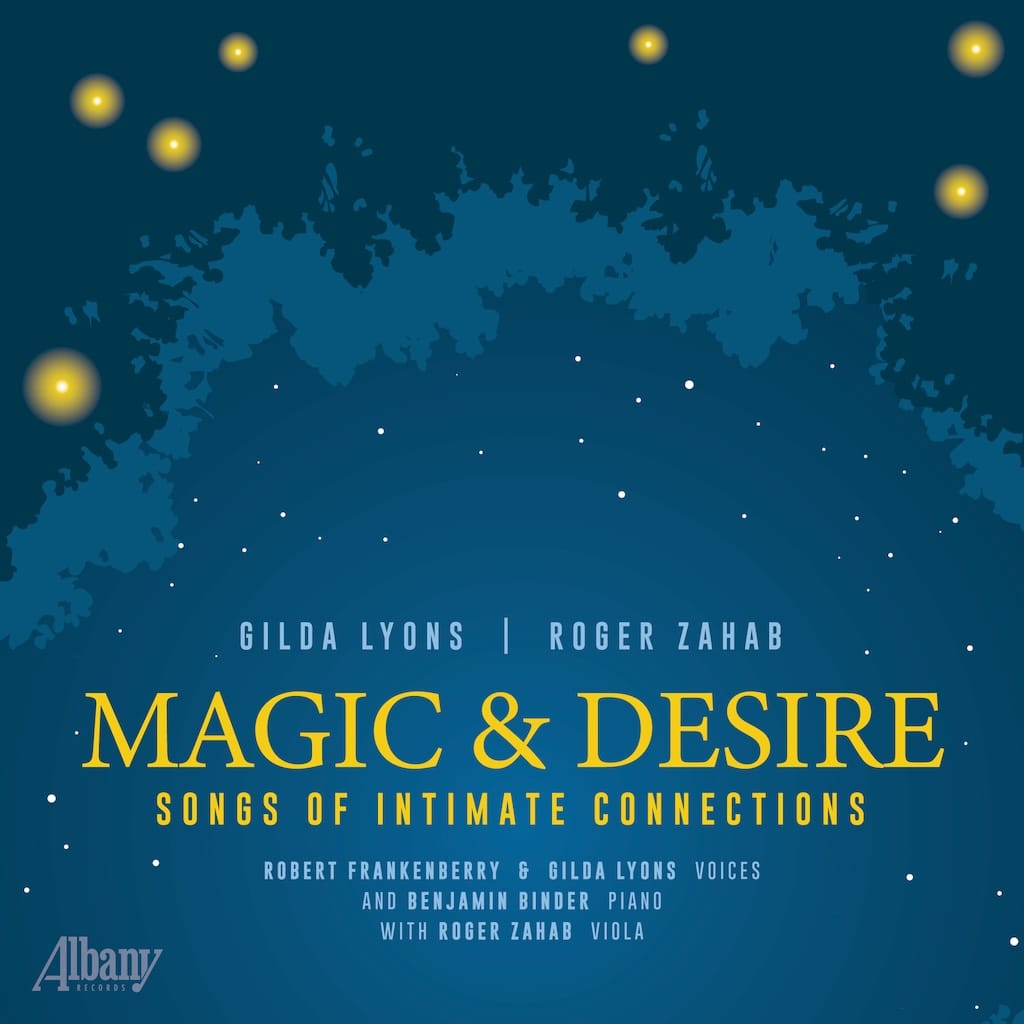
On Magic & Desire, Roger Zahab and Gilda Lyons create a musical space defined by restraint, clarity, and emotional immediacy. Scored for voice, viola, and piano, the album unfolds as a sequence of intimate reflections rather than a conventional song cycle, inviting the listener into a quiet exchange shaped by text, memory, and shared sensibility.
The collaboration is striking not only for its cohesion but for the way both artists contribute as composers, performers, and interpreters. Their work resists hierarchy, allowing music and language to coexist with unusual balance and directness. The result is a set of songs that feel less constructed than discovered, attentive to the fragile and fleeting nature of human connection.
Zahab’s broader artistic life brings additional resonance to the project. A composer, performer, and educator whose repertoire spans centuries, from Guillaume de Machaut to the present, he has long engaged with questions of time, interpretation, and the social role of music. In this conversation, he reflects on collaboration, authorship, and the ways in which sound can shape how we listen to, and care for, one another.
Nikhil Sardana: Magic & Desire feels less like a traditional song cycle and more like an intimate philosophical exchange. How did you and Gilda Lyons arrive at this shared artistic language, and what did collaboration mean in such a deeply personal project?
Roger Zahab: Gilda and I have known each other since her time as a graduate student at the University of Pittsburgh. Her work, her great skill as a composer-performer, and her devotion to social activism have always resonated with me, and we have collaborated on many projects over the years. It seemed an ideal time to present this collection of songs and to hear how our distinctive voices tell these stories of restless desires and fleeting memory, prayers and incantations.
NS: The album’s sparse instrumentation of voice, viola, and piano creates a striking sense of vulnerability. What compositional or emotional possibilities does this reduced palette open up for you that a larger ensemble might not?
RZ: In such short songs, I feel a need to carefully choose and use distinctive materials in ways that are more compact than in purely instrumental music. In vocal work, text and music compete for our attention, and it requires some care to sort out that tension so they can support each other while allowing enough space for both. Words are heard and understood in a very different way from our perception of music, though each can sometimes resemble the other. I’m always aware of how my tonal language and rhythmic phrasing broaden when I set words.
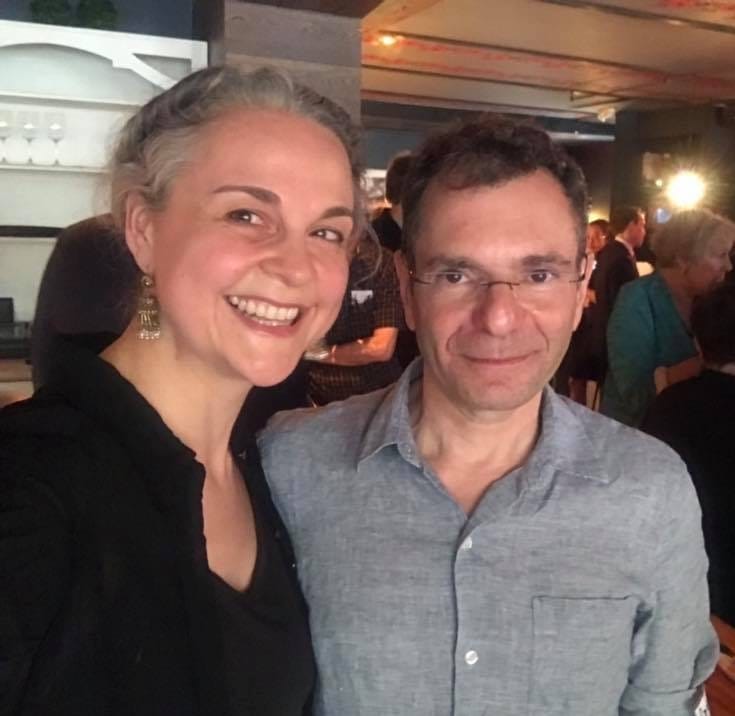
NS: There is a remarkable seamlessness between your contributions and those of Lyons, both musically and textually. Did you consciously blur authorship, or did that unity emerge organically through the process?
RZ: I feel our styles are naturally complementary. We both seem to prioritise melodic sequences as a way of generating material, and our artistic personalities are certainly in dialogue in this collection.
NS: The idea of “intimate connections” runs throughout the album. Were there particular literary, philosophical, or personal influences that shaped how you approached this theme in your music?
RZ: My personal practice has always been, from the very beginning, to compose for friends and kindred spirits. Leaving aside commissioned works from previously unknown people or institutions, I have always been inspired by gifted artists and have written for those I love. I usually plan the details of a work, including tonal and rhythmic language, instrumentation, and style, around the personal characteristics and musical needs of the person I am writing for. In songwriting, the language of the poet and the music inherent in the text are especially important. In choosing poems of connection, my task is already set: to support the voice of the poet as fully as I can.
NS: Your work spans over 700 years of repertoire, from Guillaume de Machaut to the present. How does this historical breadth inform your compositional voice and your sense of musical time?
RZ: The art of music embodies many kinds of “time travel”, even while each work is only heard in the present. It exists not only in the time it takes to hear it, but also in the memories of listeners and performers. The longer one knows a piece of music and its many iterations, the more one’s understanding of it changes. I will not say in which direction, but I know that greater familiarity can alter both the meaning and the dimensions of a work. When we perform anything, from whatever time, we are making it live again. There is always the chance that, even when we are convinced we understand it as the composer intended, we cannot help but speak or sing in our own voice. These attempts at transference have helped me gain perspective when writing for others, and I hope my work will be meaningful to future performers and listeners.
NS: You have premiered over 200 works and worked closely with living composers, while also editing and reviving pieces such as Julia Perry’s violin concerto. What draws you to this dual role of creator and musical archaeologist?
RZ: In the same way that I perform anything to make it live again, I am drawn to those who took their own distinctive paths, such as Julia Perry. I wish I could have spent time with her after I began to understand something of her personality. Her work is filled with intriguing details, things I would never think to do but that I find compelling.
NS: Your artistic identity includes composer, performer, improviser, conductor, and educator. Do these roles ever come into tension with one another, or do they ultimately feed a single, unified artistic vision?
RZ: In life, one thing inevitably leads to another, and I find all of these roles mutually supportive. I am never bored.
NS: Much of your work engages with music’s place in society at large. In today’s cultural landscape, what responsibilities, if any, do you believe composers and performers carry beyond the purely artistic?
RZ: In our society, there are many ways to waste time, and many sounds that distract, act as barriers, or serve as personal escape mechanisms. They can make us less inclined to pay attention to the people we share our spaces with.
My responsibility is to show how we may care for others by shaping time through sound. That is the very nature of our work and our play. The quality of attention we give to listening to each other through our art, and the environment we create with it, not only enables us to engage more meaningfully with others but also to experience a deeper sense of well-being in our lives.