
Music Education Methods: Suzuki vs. Kodály
The Suzuki and Kodály methods have shaped music education for generations, but they take very different approaches to developing young musicians. Discover their philosophies, strengths and key differences to help determine which method best suits different learners.


Choosing the right approach to music education is one of the most important decisions for parents, teachers and students. Among the many teaching philosophies developed over the past century, two have had an especially lasting influence: the Suzuki Method and the Kodály Method. Although both seek to nurture confident, musical individuals rather than simply train performers, they differ significantly in their philosophy, teaching techniques and classroom practice.
Rather than asking which method is objectively better, it is more useful to understand what each approach was designed to achieve. Every student learns differently, and the ideal method often depends on age, personality, musical goals and the learning environment.
The origins of two influential methods
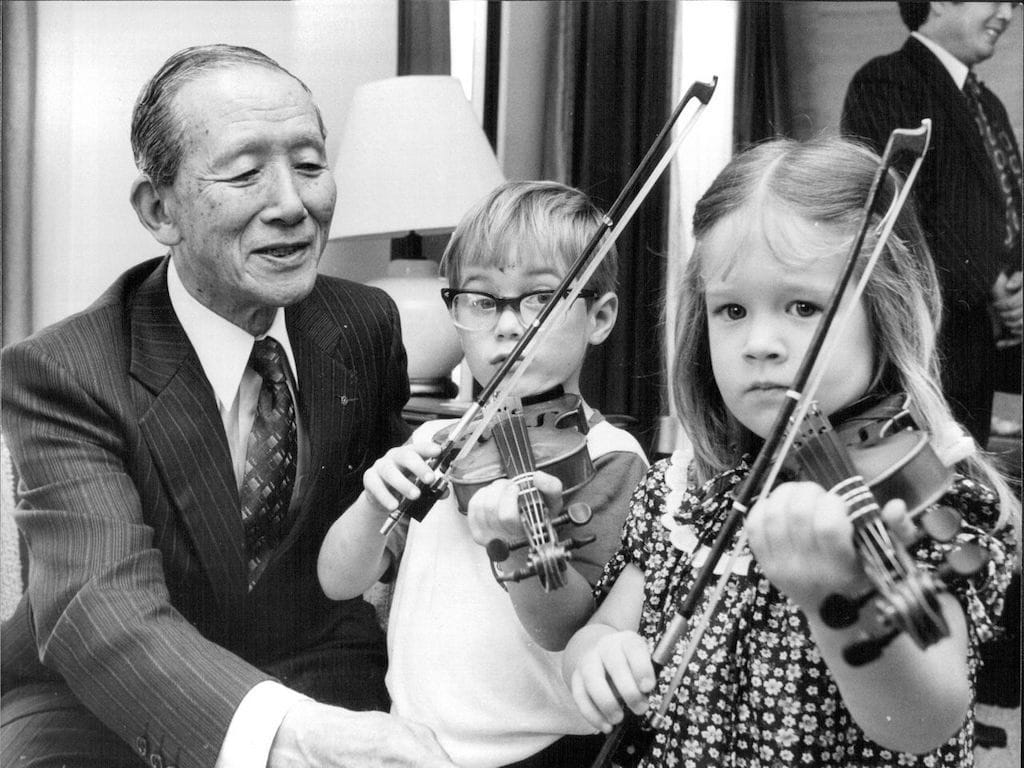
The Suzuki Method was developed by Japanese violinist and educator Shinichi Suzuki during the mid-twentieth century. After observing how effortlessly children acquire their native language, Suzuki wondered whether music could be learned in much the same way. His answer became known as the "mother tongue" approach, based on the belief that every child possesses musical potential if provided with the right environment.
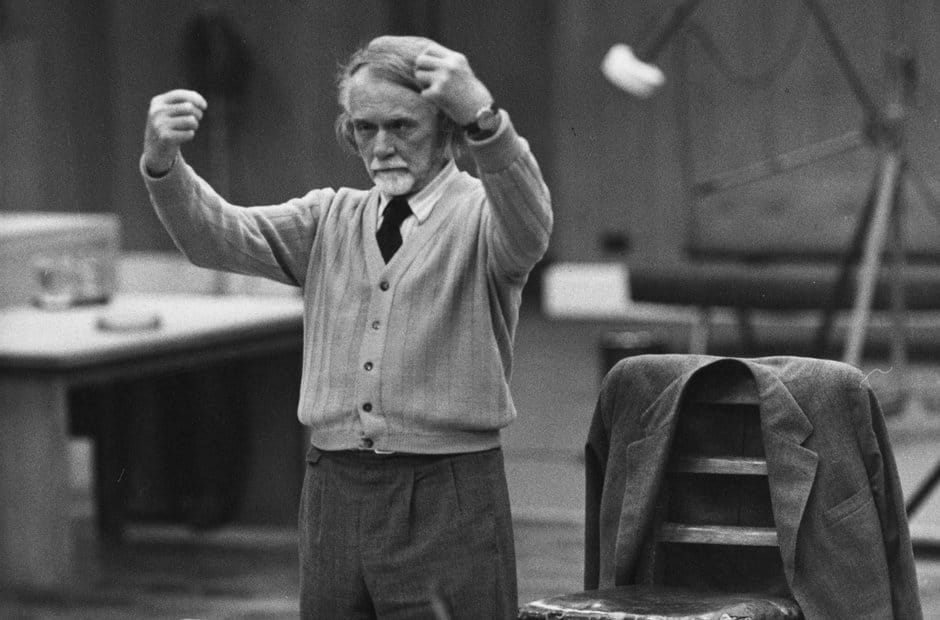
The Kodály Method was established by Hungarian composer, educator and ethnomusicologist Zoltán Kodály. Kodály believed that music education should be a fundamental part of every child's schooling rather than a specialist activity for the gifted. His philosophy centred on singing as the most natural foundation for musical understanding and promoted high-quality musical experiences from an early age.
Although the two educators worked independently, both rejected the idea that musical talent is an inborn gift possessed by only a fortunate few. Instead, they believed that careful teaching and consistent exposure could enable nearly every child to become musically literate.
The Suzuki philosophy
At the heart of the Suzuki Method lies the belief that learning music should resemble learning language. Babies are not expected to understand grammar before they begin speaking. Instead, they spend months listening to speech, imitating sounds and gradually developing fluency.
Suzuki applied the same principle to music. Young children begin by listening extensively to recordings of the pieces they will later perform. Repetition plays a central role, allowing students to internalise rhythm, pitch and phrasing before attempting technical mastery.
Parents are deeply involved throughout the learning process. Especially during the early years, they attend lessons, supervise daily practice and create a positive musical environment at home. Rather than acting as passive observers, parents become partners in the child's musical development.
Lessons typically combine individual instruction with regular group classes. Individual lessons focus on technique and personal progress, while group sessions encourage ensemble playing, listening skills and motivation through shared learning.
Reading musical notation is deliberately postponed until students have developed comfortable playing skills. Just as children learn to speak before they learn to read, Suzuki students first build confidence on their instrument before tackling written music.
The Kodály philosophy
The Kodály Method approaches music from a different direction. Instead of beginning with an instrument, it begins with the human voice.
Kodály regarded singing as the most accessible musical instrument because everyone possesses one. Through songs, games and movement, children develop a strong internal sense of rhythm, melody and pitch before progressing to instrumental study.
One of the defining features of the Kodály Method is its emphasis on music literacy. Students learn to read and write music from an early stage using carefully structured exercises.
Teachers frequently employ movable-do solfège, in which syllables such as do, re, mi, fa and sol represent relationships between notes rather than fixed pitches. Hand signs, originally adapted from earlier educational traditions, provide visual reinforcement by linking physical gestures with musical intervals.
Rhythm is introduced using simple verbal patterns that help children internalise note values before encountering conventional notation. Lessons are carefully sequenced so that each new concept builds naturally upon previous knowledge.
Folk music also occupies a prominent place within the Kodály curriculum. Kodály believed that children should first become familiar with the traditional songs of their own culture before exploring the wider international repertoire. This provides material that is both musically rich and culturally meaningful.
Instrumental versus vocal learning
Perhaps the clearest distinction between the two methods lies in their starting point.
The Suzuki Method was originally designed for violin but has since expanded to piano, cello, flute, guitar, harp, voice and several other instruments. Instrumental performance remains the central focus throughout the programme.
By contrast, the Kodály Method is not tied to any particular instrument. It seeks first to develop comprehensive musicianship through singing, listening, movement and notation. Instrumental study often comes later, supported by the musical understanding already established.
This difference means that Suzuki students may begin playing recognisable pieces surprisingly early, while Kodály students often spend more time building listening skills, pitch awareness and reading ability before concentrating on instrumental performance.
The role of parents and teachers
Parental involvement is one of the defining strengths of the Suzuki Method. Parents attend lessons, take notes, assist with practice routines and encourage regular listening at home. This creates consistency between teacher, student and family.
However, this level of involvement also requires a significant commitment of time. Families must be prepared for daily practice, frequent communication with teachers and sustained encouragement over several years.
The Kodály Method generally places less responsibility on parents. While family support remains valuable, much of the structured learning occurs within schools or classroom settings under trained music educators.
Teachers in both approaches require specialised training, although their roles differ. Suzuki teachers focus on individual technical development, motivation and positive reinforcement. Kodály teachers place greater emphasis on sequential curriculum planning, ear training and music literacy.
Strengths of the Suzuki Method
Many educators praise Suzuki students for developing beautiful tone, expressive playing and confident performance skills from a remarkably young age.
Regular listening helps students memorise repertoire naturally, while frequent public performances build confidence and stage experience.
Group classes also foster cooperation rather than competition. Younger students often become inspired by watching older pupils perform more advanced works.
The emphasis on encouragement rather than criticism can help children associate music with enjoyment rather than anxiety.
Critics, however, sometimes argue that delaying music reading may create difficulties if students later encounter more advanced musical study without sufficiently developed notation skills. Many Suzuki programmes address this by introducing reading once technical foundations are secure.
Strengths of the Kodály Method
The Kodály Method is widely respected for producing students with excellent musical literacy. Graduates are often comfortable reading notation, singing accurately at sight and understanding musical structure.
Because singing is central throughout the programme, students frequently develop strong pitch recognition and internal hearing. These skills benefit instrumentalists, singers, composers and conductors alike.
The sequential nature of Kodály teaching also makes it particularly suitable for classroom music education. Concepts are introduced gradually, allowing large groups of children to progress together regardless of previous experience.
Some critics suggest that students eager to begin learning an instrument may find the early emphasis on singing less immediately rewarding. Nevertheless, many teachers argue that the strong foundation ultimately accelerates later instrumental learning.
Can the two methods work together?
Increasingly, many schools and private teachers combine elements of both approaches rather than following either one exclusively.
A violin teacher may use Suzuki repertoire while incorporating Kodály solfège and rhythm exercises. A classroom music teacher might adopt Kodály literacy techniques while encouraging Suzuki-style listening and repetition.
Modern music education increasingly recognises that no single method addresses every student's needs. Flexibility often produces the strongest results.
Research into music learning also supports combining listening, singing, movement, reading and instrumental practice rather than treating these as competing approaches.
Which method is right for your child?
The answer depends largely on the student's goals and learning style.
Children who are eager to begin playing an instrument immediately, enjoy learning by imitation and benefit from close parental support often thrive within the Suzuki Method.
Students who enjoy singing, participate in school music programmes or wish to develop strong reading and theoretical skills may find the Kodály Method especially rewarding.
Many children ultimately experience aspects of both philosophies during their musical education, whether intentionally or not.
A shared vision
Despite their differences, Suzuki and Kodály shared a remarkably similar belief about the purpose of music education. Neither viewed music solely as professional training or competitive achievement.
Instead, both saw music as a means of developing character, discipline, sensitivity and joy. Technical excellence was important, but it served a broader purpose: helping individuals become thoughtful, creative and compassionate human beings.
More than half a century after their ideas transformed music education, both methods continue to shape classrooms, conservatoires and private studios around the world. Whether through the careful listening and instrumental immersion championed by Suzuki or the singing-centred musical literacy promoted by Kodály, both approaches remind us that music education is ultimately about nurturing a lifelong relationship with music rather than simply mastering an instrument.