Ella Fitzgerald: The First Lady of Jazz
From Harlem’s Apollo Theater to the world’s greatest concert stages, Ella Fitzgerald transformed jazz singing through unmatched vocal precision, groundbreaking scat improvisation, and interpretations of the Great American Songbook that continue to inspire musicians and listeners alike.

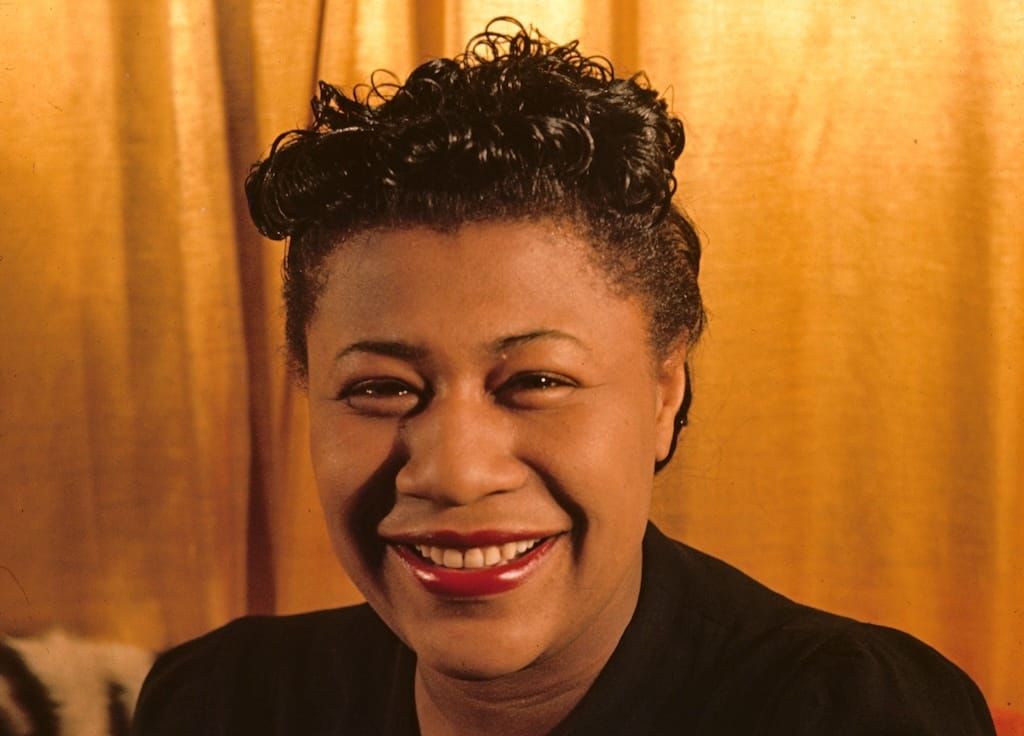
Few artists in the history of music have embodied elegance, technical brilliance, and emotional warmth as completely as Ella Fitzgerald. Revered as the “First Lady of Jazz,” Fitzgerald transformed vocal music through a combination of extraordinary musicianship, impeccable phrasing, and an unmistakable joy for performance. Across a career that spanned nearly six decades, she elevated jazz singing to a level of sophistication comparable to instrumental virtuosity, influencing generations of vocalists in jazz, pop, and beyond.
Her voice was at once technically flawless and deeply human. Whether interpreting the Great American Songbook, improvising dazzling scat solos, or delivering tender ballads, Fitzgerald possessed a rare ability to make complex artistry sound effortless. Even today, her recordings remain essential listening for musicians and audiences alike.
A Difficult Beginning
Ella Jane Fitzgerald was born on April 25, 1917, in Newport News, Virginia, and grew up in Yonkers, New York. Her childhood was marked by instability and hardship. After the death of her mother in 1932, Fitzgerald struggled financially and emotionally, at times living on the streets and taking odd jobs to survive.
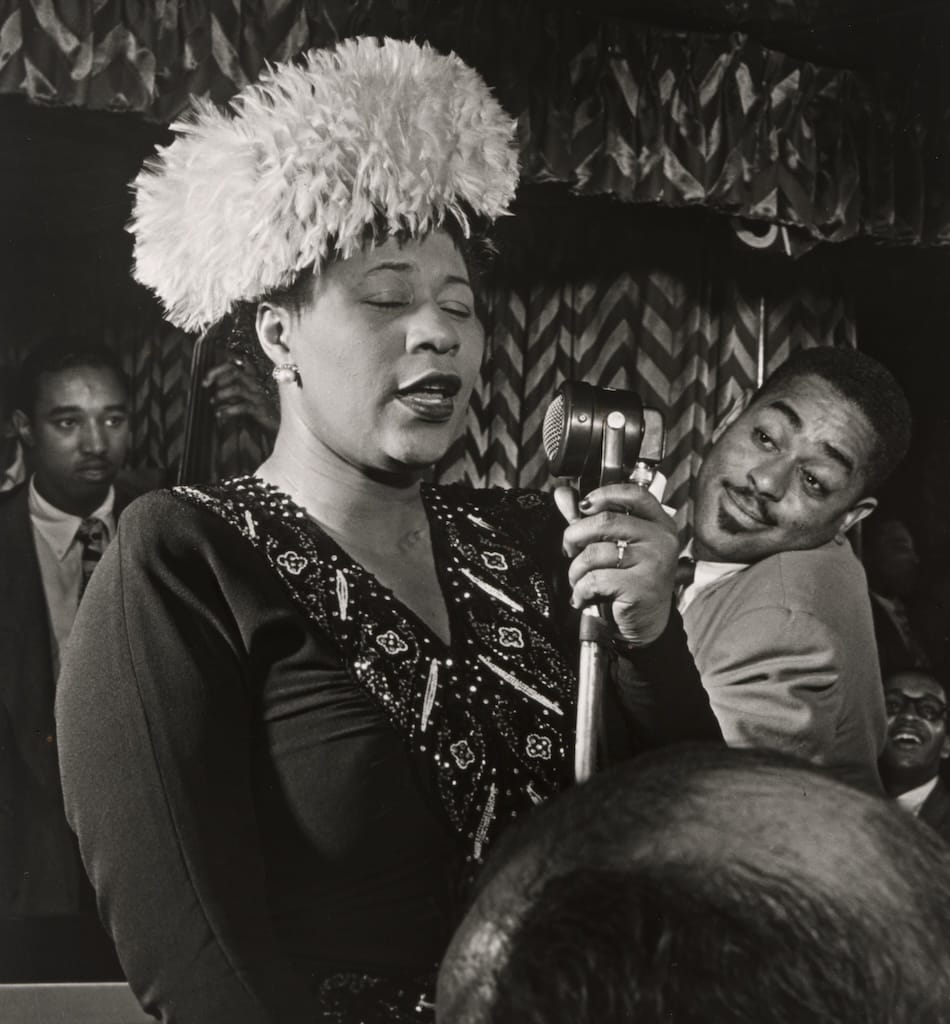
Music, however, became both refuge and opportunity. Inspired by performers such as Connie Boswell and the popular jazz bands of the era, Fitzgerald dreamed of becoming an entertainer. Her breakthrough came unexpectedly in 1934 during Amateur Night at the famous Apollo Theater in Harlem. Nervous about dancing, she decided instead to sing. Her performance stunned the audience and earned her first prize.
That evening altered the course of her life.
Rise with Chick Webb
Soon after her Apollo Theater victory, Fitzgerald began performing with the band of drummer and bandleader Chick Webb. Webb recognized her immense talent and hired her as the orchestra’s vocalist in 1935. At just seventeen years old, Fitzgerald became the centerpiece of one of the most exciting swing bands in America.
Her breakthrough recording arrived in 1938 with “A-Tisket, A-Tasket,” a playful adaptation of a nursery rhyme that became a massive hit. The song turned Fitzgerald into a national star and helped introduce jazz vocals to mainstream audiences during the Swing Era.
When Webb died in 1939, Fitzgerald took over leadership of the orchestra, an extraordinary achievement for a young Black woman in a male-dominated music industry. Although the group eventually dissolved, her years with Webb established her reputation as one of the defining voices of jazz.
The Voice That Redefined Jazz Singing
What distinguished Fitzgerald from other singers was not merely the beauty of her voice, but the astonishing precision with which she used it. Her vocal range spanned approximately three octaves, and she maintained remarkable tonal clarity across registers. Unlike many singers who relied heavily on emotional intensity or dramatic interpretation, Fitzgerald approached singing with the rhythmic sophistication of a jazz instrumentalist.
Her intonation was nearly perfect. Notes emerged with crystalline accuracy, even during rapid melodic passages. Equally impressive was her timing. Fitzgerald could glide behind the beat, swing effortlessly within a phrase, or accelerate through intricate improvisations while maintaining complete control.
Perhaps her most celebrated skill was scat singing, the art of vocal improvisation using nonsensical syllables. Although scat had existed before Fitzgerald, she elevated it into a virtuosic art form. Drawing inspiration from instrumentalists such as Louis Armstrong and Charlie Parker, she treated her voice like a horn, improvising complex melodic lines with dazzling fluency.
Her famous live recordings of songs such as “How High the Moon” demonstrate extraordinary musical intelligence. Fitzgerald quotes melodies from other songs, shifts rhythmic patterns spontaneously, and invents intricate melodic ideas in real time. These performances remain masterclasses in improvisation.
Yet despite her technical brilliance, Fitzgerald never sounded cold or mechanical. Her singing radiated warmth, optimism, and sincerity. Listeners sensed genuine delight in the act of making music.
The Great American Songbook
One of Fitzgerald’s greatest artistic achievements was her celebrated “Songbook” series, recorded primarily during the 1950s and 1960s under producer Norman Granz. These albums focused on the works of major American composers including Cole Porter, George Gershwin, Duke Ellington, Irving Berlin, and Rodgers and Hart.
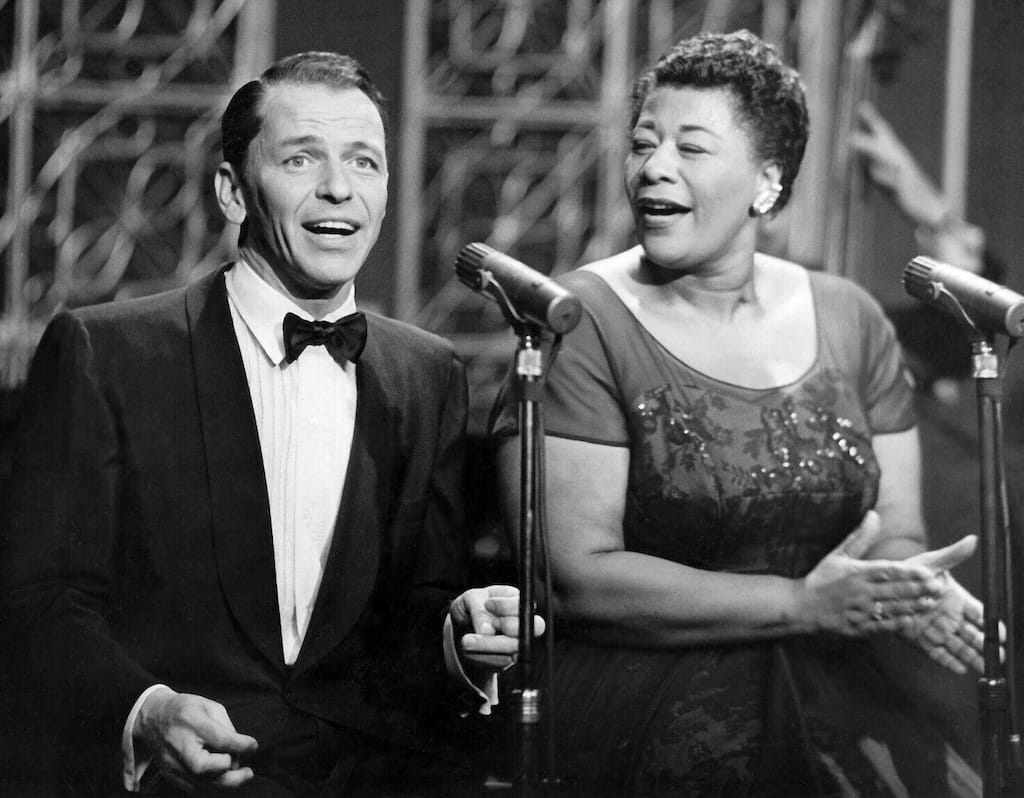
These recordings helped preserve and popularize the Great American Songbook for future generations. Fitzgerald approached each composition with respect for melody and lyric while adding her own subtle interpretive touch. Her diction was exceptionally clear, allowing audiences to appreciate the craftsmanship of the songs themselves.
Unlike some jazz singers who dramatically altered melodies, Fitzgerald often remained faithful to the composer’s intentions. Her artistry lay in nuance: the swing of a phrase, the placement of a consonant, or the effortless elegance of her tone. She had a rare ability to communicate sophistication without pretension.
The Songbook recordings also expanded jazz’s cultural legitimacy. At a time when jazz was still fighting for recognition as a serious art form, Fitzgerald demonstrated that popular American songwriting could possess both emotional depth and musical complexity.
Collaborations and Musical Partnerships
Throughout her career, Fitzgerald collaborated with many of the greatest musicians in jazz history. Her recordings with Louis Armstrong remain among the most beloved vocal jazz albums ever made. The contrast between Armstrong’s gravelly, emotionally charged voice and Fitzgerald’s smooth precision created magical musical chemistry.
She also worked extensively with Duke Ellington, whose sophisticated compositions suited her artistry perfectly. Her performances with Ellington showcased her ability to navigate complex harmonic structures while maintaining emotional warmth.
Producer Norman Granz played an equally important role in Fitzgerald’s success. As founder of Jazz at the Philharmonic and later Verve Records, Granz championed Fitzgerald throughout her career and fought against racial segregation in the concert industry. He insisted that Fitzgerald receive equal treatment at venues across the United States, helping challenge discriminatory practices in entertainment.
Breaking Barriers
Fitzgerald achieved fame during an era of intense racial discrimination in America. Despite her immense popularity, she frequently encountered segregation, unequal treatment, and restrictions on where she could perform.
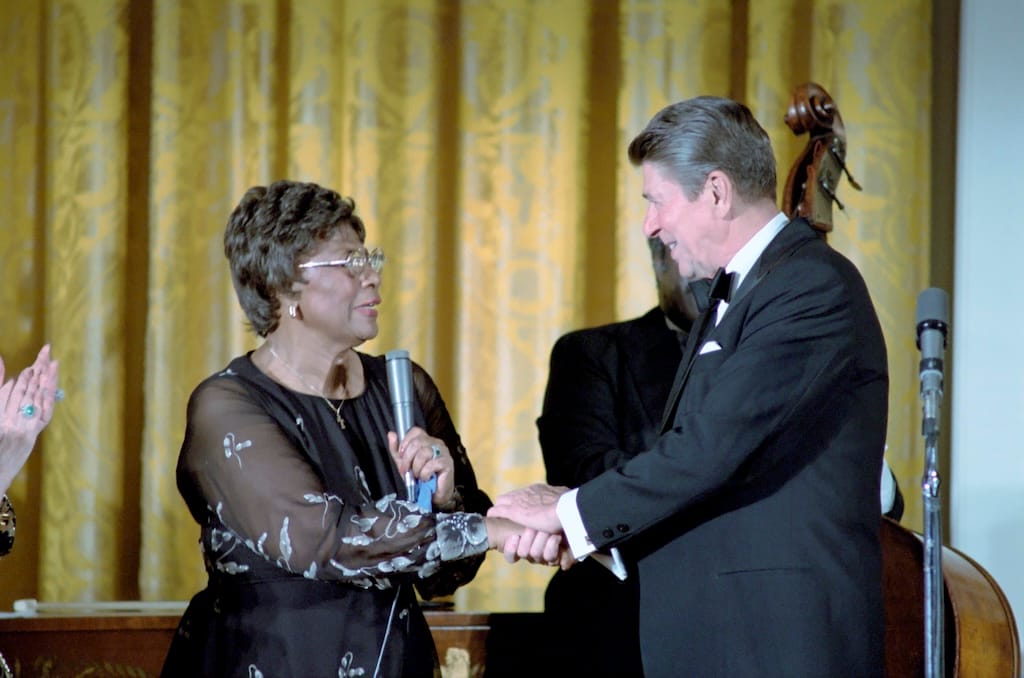
One famous turning point came when actress Marilyn Monroe reportedly helped secure Fitzgerald a booking at the Mocambo nightclub in Los Angeles after the venue had hesitated to hire a Black performer. Fitzgerald later acknowledged Monroe’s support with gratitude, noting that the engagement significantly raised her profile.
Yet Fitzgerald rarely addressed racism publicly in confrontational terms. Instead, she allowed her artistry and professionalism to speak for themselves. Her dignity and excellence challenged stereotypes and opened doors for future generations of Black performers.
Influence on Future Singers
The influence of Ella Fitzgerald on vocal music is immeasurable. Nearly every jazz singer who followed her absorbed elements of her phrasing, timing, or improvisational approach. Artists such as Sarah Vaughan, Dee Dee Bridgewater, Diana Krall, and Esperanza Spalding all reflect aspects of Fitzgerald’s legacy.
Her influence also extends beyond jazz. Pop, R&B, and contemporary vocalists continue to study her breath control, articulation, and phrasing. Musicians often describe Fitzgerald as the ultimate singer’s singer because of the extraordinary technical standards she established.
Importantly, Fitzgerald proved that technical mastery and emotional accessibility need not be opposites. She demonstrated that virtuosity could remain joyful, inviting, and deeply communicative.
A Voice That Continues to Inspire
In her later years, Fitzgerald continued touring internationally despite declining health. Audiences around the world remained captivated by the warmth and vitality of her performances. Even when age diminished some of her vocal agility, her musical intelligence and stage presence remained unmistakable.
She passed away in 1996 at the age of seventy nine, leaving behind one of the richest recorded legacies in twentieth-century music. Her albums continue to introduce new listeners to jazz, swing, and the art of vocal improvisation.