Beata Hlavenkova on ‘MONODIE 2.0’ and the Art of Musical Courage
Czech composer, pianist and singer Beata Hlavenková reflects on MONODIE 2.0, her genre-defying musical language, and a career shaped by curiosity, collaboration, and a refusal to conform to expectations across jazz, classical, and beyond.
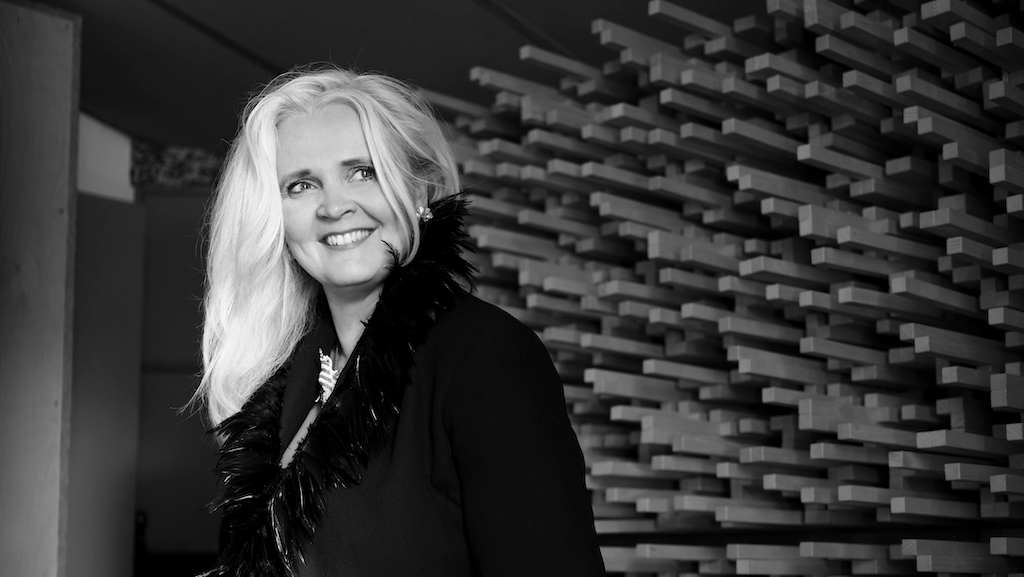
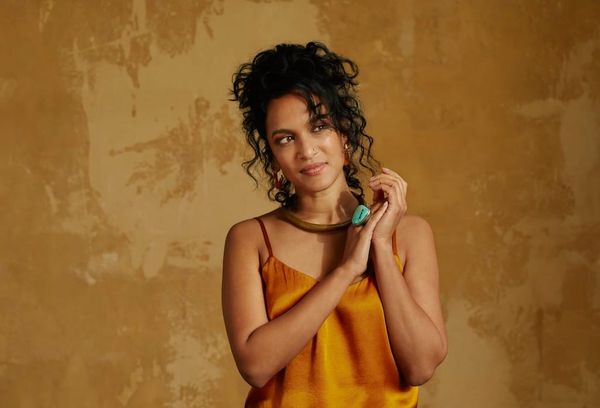
Few contemporary musicians move as fluidly across genres as Beata Hlavenková. A pianist, composer, vocalist, and producer, her work resists categorisation, drawing instead on a deeply internalised language shaped by jazz, classical traditions, songwriting, and sound design. If there is a single word that defines her artistic identity, it is courage: a willingness to experiment, to embrace unlikely combinations, and to pursue a musical voice that is unmistakably her own.
Over the past decade, Hlavenková has built a strikingly diverse body of work, from solo piano recordings such as Theodoros, which won the Anděl Award for Jazz Album of the Year, to song cycles first shaped on her solo album Sně, where she established herself as a lead singer and won the Anděl Award for Best Female Artist, as well as large-scale collaborations. Her music extends into film, earning nominations for the Czech Lion awards, and into education, where she has played a key role in shaping jazz studies in the Czech Republic while teaching at NYU Prague.
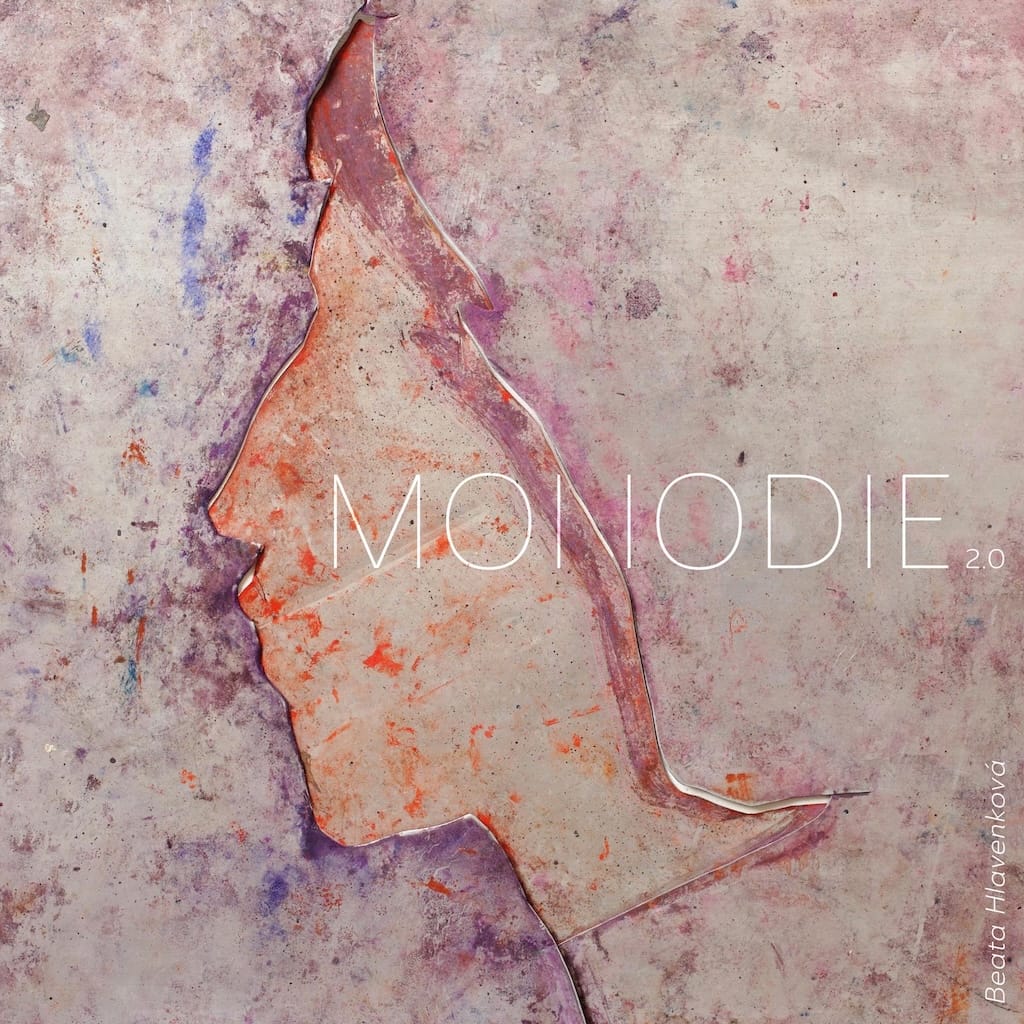
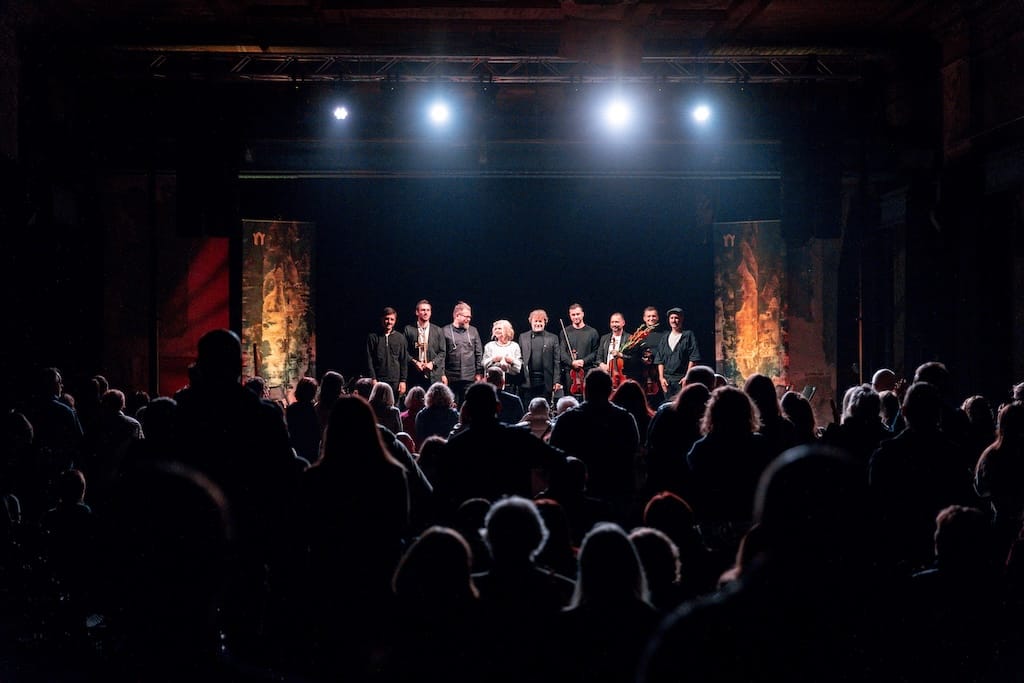
Her latest release, MONODIE 2.0, offers a compelling distillation of her artistic world. Bringing together an eclectic ensemble that includes a string quartet, bass clarinet, kora, trumpet, piano, guitar, double bass, saw, balalaika and three vocalists, the album weaves poetry, improvisation and formal compositional techniques into a soundscape that feels at once intricate and intuitive. It is a work that invites the listener to expect the unexpected.
In this conversation, Beata Hlavenková reflects on the ideas behind the album and the artistic philosophy shaping her evolving career.
Nikhil Sardana: MONODIE 2.0 resists easy categorisation, moving fluidly between jazz, classical structures, and songwriting. Did this language emerge organically, or were you consciously pushing against genre boundaries?
Beata Hlavenková: I do not think in such intentions. Our time naturally brings this kind of genre blend, shaped by one’s personality, musical training, personal taste, and interests. I studied classical and jazz music, and I have always loved certain kinds of pop and indie pop. I am interested in many crossovers and remain open-minded, yet I can quite clearly say why I do not like something.
What I need to hear in music is immersion in the material. I cannot stand banality, which is unfortunately often mistaken these days for simplicity. The simplicity I admire emerges from knowledge of music, not from a lack of it.
I suppose my music is a natural blend of everything I have absorbed, listened to, played, and studied throughout my life. I also knew whom I wanted on this particular project, and that played a significant role in shaping its final form.
NS: The instrumentation on the album is unusually eclectic, from kora and balalaika to string quartet. What guides your decisions when building such a distinctive sonic palette?
BH: If you have a classical background, nothing really seems strange, impossible, or mismatched. I was thinking more in terms of specific people I wanted to collaborate with.
For many years, I have worked with the incredible trumpeter Oskar Török. I wanted the very specific vocal quality of Vojta Nýdl, who is also an exceptional bass clarinet player. I knew I wanted strings, and after a wonderful collaboration with violist and arranger Matěj Kroupa, I asked him to write for his string quartet for this project; he also served as musical co-producer of Monodie 2.0.
Kirill, the guitarist, is interested in other instruments, which appealed to me, so alongside guitar he plays kora and balalaika here. Martin Prokeš brings a background in Gregorian chant, which adds a unique colour. I also felt the need for Rastislav Uhrík’s double bass.
So ultimately, it was about personalities and their individual musical languages, and what they could bring to the overall sound of MONODIE 2.0 and my compositions.
NS: The album engages deeply with poetry, from Jan Skácel to Emily Dickinson and Václav Havel. What is your process of transforming text into music?
BH: I have worked with poetry before, translating it into my musical language. It always takes time to go through the writings of poets I love, or those I am newly discovering. Something has to catch my attention, or rather my ear.
Sometimes it is a long process, with several attempts to grasp the words, the flow, and the rhythm of the verses, as well as their meaning.
For MONODIE 2.0, I used several poems by the remarkable poet and filmmaker Janek Růžička, also known as JQr. We also discussed the concept together and both contributed to the selection of texts.
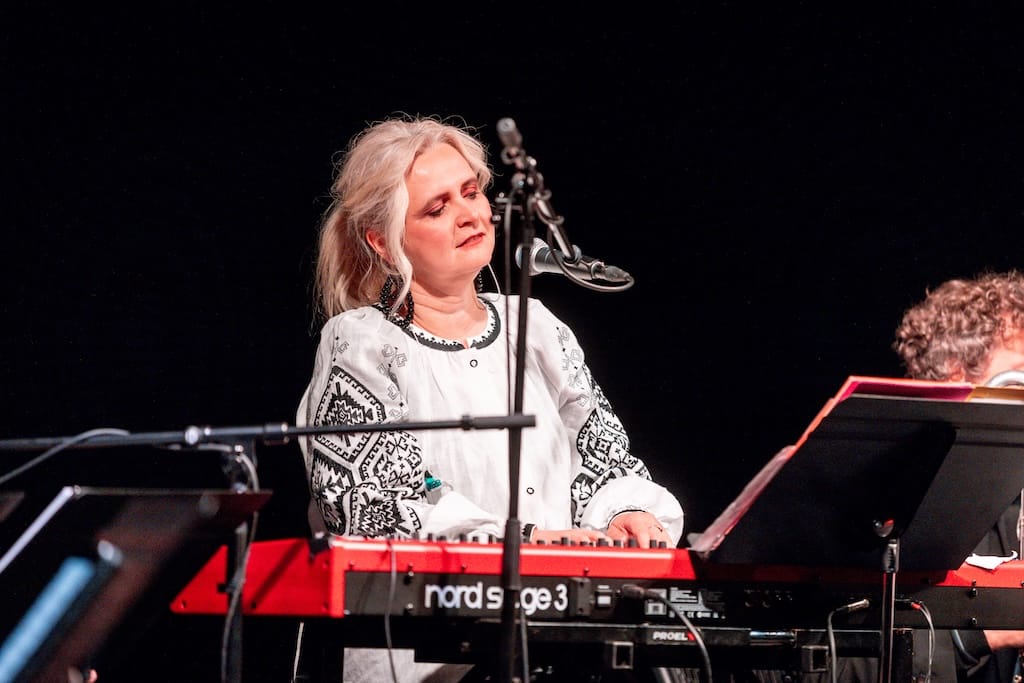
NS: You move between roles as composer, pianist, and vocalist on this recording. How does inhabiting all three perspectives shape the final work?
BH: Well, I actually had even more roles (laugh): recording engineer for instruments other than piano and string quartet, and then editor of all takes. It was incredibly fun and challenging at the same time.
Choosing between vocal takes, bass clarinet lines, and shaping the final form of the trumpet improvisations and guitar textures required a deep familiarity with the material. I knew the music so well that at one point I felt I could no longer listen to it (laugh).
And that does not even include the back and forth of mixing and mastering with Jan Košulič. In the end, I have to admit to a certain meticulousness. That said, I do not carry that into performance. On stage, I can relax much more and simply enjoy it.
NS: Your music is often described as courageous in its refusal to conform. Has this sense of artistic risk always been natural to you, or did it develop over time?
BH: Your question led me to reflect on what it means to be described as someone who refuses to conform. It can sometimes result in being seen as difficult or as an outsider.
In practical terms, it creates challenges in labelling my music. It may be too jazz for classical audiences, and too classical or crossover for jazz audiences. But I cannot work differently.
I let things unfold as long as my internal, nonverbal questions about the music are answered and I feel satisfied, at least to a certain degree. Deadlines, of course, help (laugh).
I do not think in terms of boundaries or genres unless I need to describe how the music sounds.

NS: You have worked across an unusually wide spectrum, from solo piano and songwriting to film scores and large ensemble writing. Do you experience these as separate worlds, or as part of a single musical language?
BH: I do not think about my music differently across genres. The only real consideration is the level of difficulty.
Even when writing for children, I do not feel compelled to simplify excessively or make it inane, which unfortunately happens quite often in that area.
Last year, I was asked to write a commissioned work for talented students at the MenART academy, directed by Radek Baborák, with musicians from the Czech Philharmonic for the Prague Spring Festival. It was not an easy task: it could not be too virtuosic, but also not too simple. I enjoy these challenges.
At the end of the day, I hope that my own musical language remains recognisable across all my work.
NS: As one of the founders of a university level jazz programme in the Czech Republic and a faculty member at NYU Prague, how do you think about the role of education in shaping the next generation of musicians today?
BH: My teaching approach is perhaps closer to that of a music producer, assuming I do not need to explain the basics.
While access to music and learning materials has made things easier today, there is also a danger in not recognising true artistry amid the vast amount of content, aggressive promotion, and algorithms.
I base my mentoring on my own experience and education, which, for me, has never truly stopped.
NS: With three very different releases in 2025, including collaborations and orchestral work, what connects these projects artistically for you at this stage in your career?
BH: These projects are a natural and logical result of my musical experiences and, in a way, my ongoing experiments.
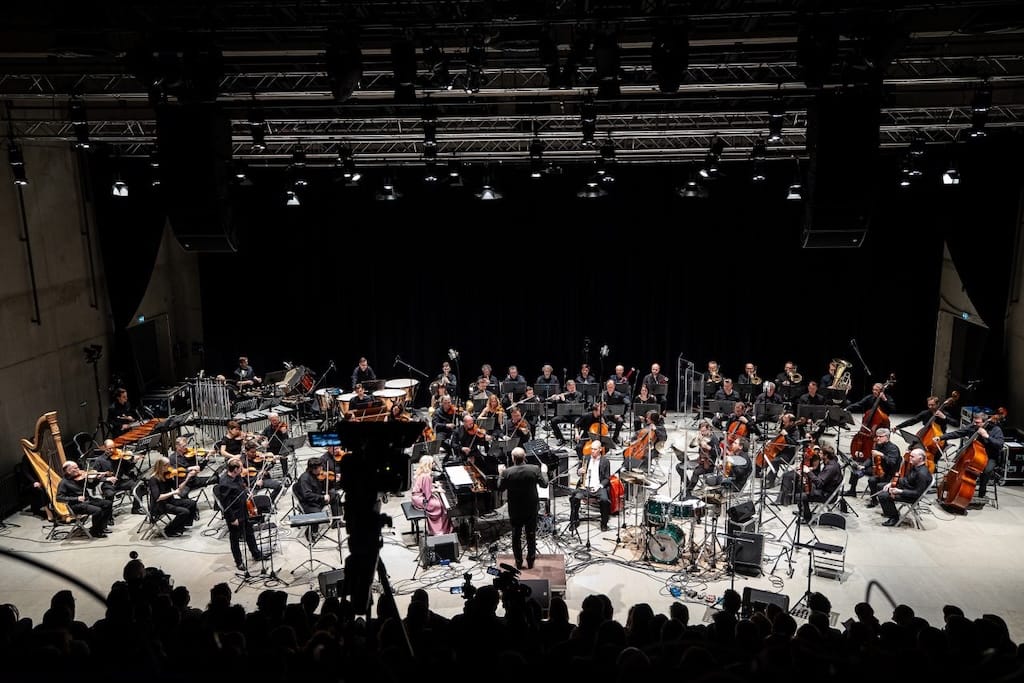
I have always wanted to perform my music with an orchestra. Although I studied orchestration and composition, at this stage I chose to work with the more experienced arranger Matěj Kroupa, who did a remarkable job on the live concert with the Prague Radio Symphony Orchestra. It then felt natural to ask him to write the string quartet arrangements for his Pavel Bořkovec Quartet and for MONODIE 2.0.
I enjoy many musical genres. One day I might want to write artificial music, the next to produce an indie alternative pop song, and the day after to immerse myself in jazz again. I do not enjoy creative stagnation.
My collaboration with HRTL, an EDM and modular synth artist, reflects my interest in groove, rhythm, improvisation, and ambient sound worlds. These days, I spend much of my time in the studio working on film music.