Was Vivaldi Forgotten Until the 20th Century? The Rediscovery of a Giant
Antonio Vivaldi was one of the most celebrated composers of his lifetime, yet much of his music disappeared from view after his death. This is the remarkable story of how the Baroque master was rediscovered centuries later.

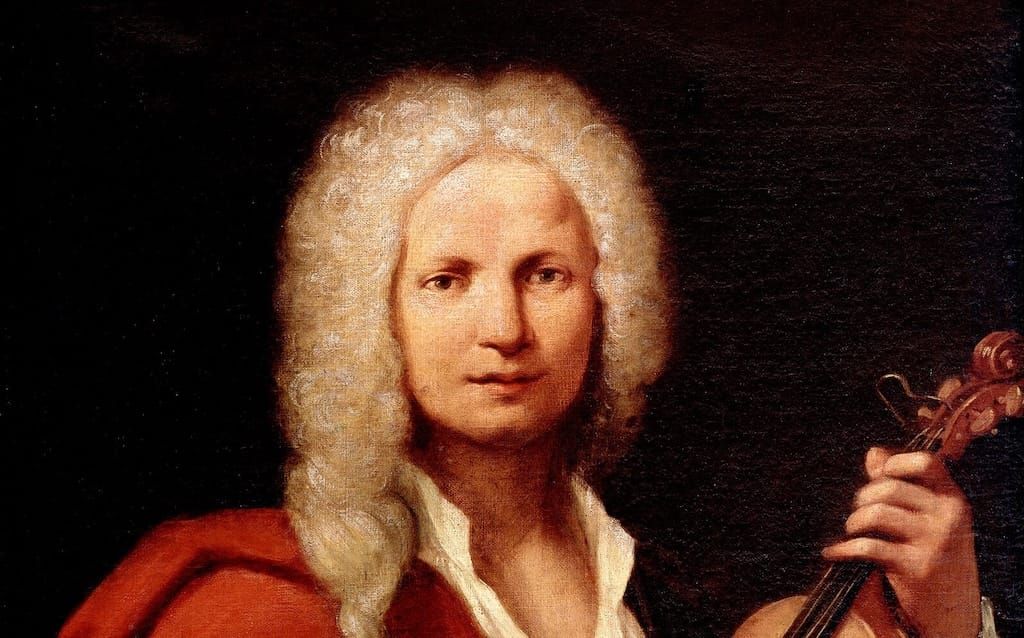
Today, Antonio Vivaldi is among the most recognisable names in classical music. The Four Seasons is heard in concert halls, films, advertisements and television programmes across the world. His energetic concertos have become staples of the Baroque repertoire, and his influence on later composers is widely acknowledged.
Yet Vivaldi's modern fame hides an extraordinary twist in musical history. For nearly two centuries after his death, much of his music fell into obscurity. Although he was never entirely forgotten, his reputation declined dramatically, and thousands of his compositions remained unknown to performers and audiences. It was only during the twentieth century that scholars, musicians and archivists gradually restored him to his rightful place among the greatest composers of the Baroque era.
The story of Vivaldi's rediscovery is one of chance discoveries, dedicated scholarship and a renewed appreciation for Baroque music.
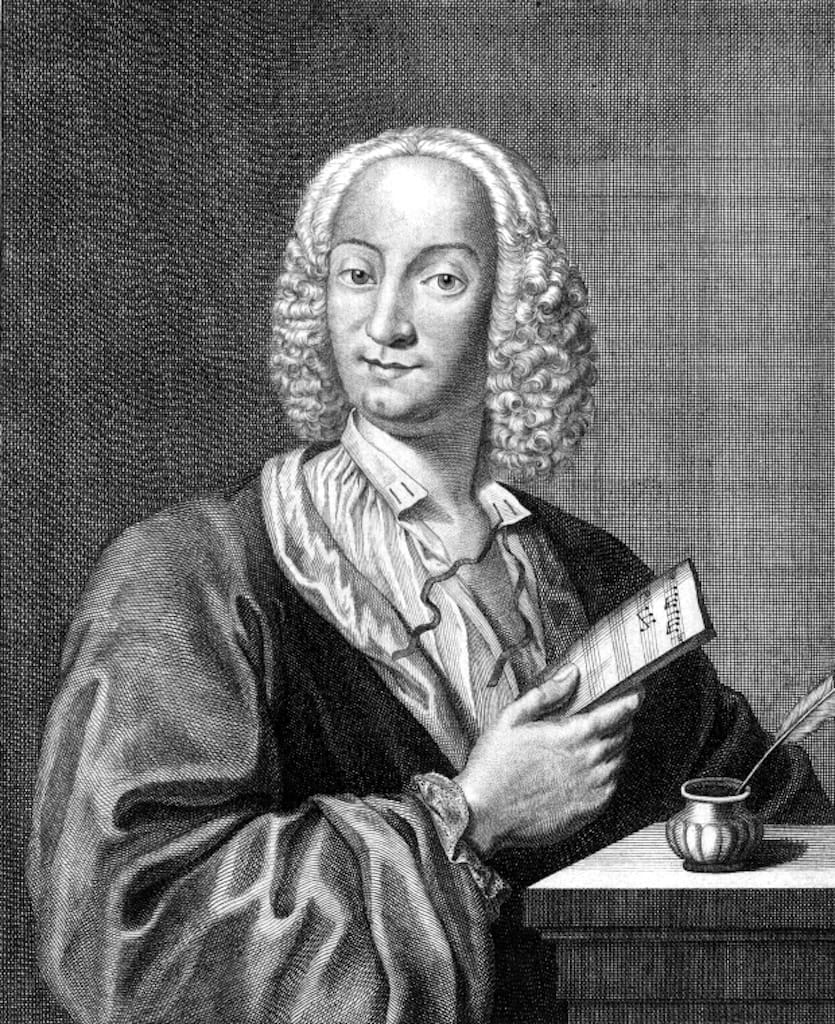
A Celebrity During His Lifetime
Born in Venice in 1678, Vivaldi quickly established himself as one of Europe's leading composers and violin virtuosos. Ordained as a priest, he became known as Il Prete Rosso, or "The Red Priest", a reference to his distinctive red hair.
Much of his career was spent at the Ospedale della Pietà, a charitable institution for orphaned and abandoned girls. There he trained an exceptional orchestra whose performances attracted visitors from across Europe. His concerts became one of Venice's cultural attractions, drawing diplomats, aristocrats and travellers eager to hear the remarkable ensemble.
Vivaldi was astonishingly prolific. Modern catalogues attribute more than 500 concertos to him, alongside operas, sacred works, chamber music and vocal compositions. His music circulated widely in manuscript and printed editions, influencing composers throughout Europe.
Among those who admired him was Johann Sebastian Bach, who transcribed several of Vivaldi's concertos for keyboard and studied his approach to musical structure. Bach's own concertos and orchestral writing reveal the profound influence of Vivaldi's style.
Why Did His Reputation Decline?
When Vivaldi died in Vienna in 1741, musical tastes were already changing.
The elaborate counterpoint and rhythmic vitality of the Baroque gradually gave way to the lighter, more balanced style that would come to define the Classical period. Audiences increasingly favoured composers such as Haydn and Mozart, whose music reflected changing aesthetic ideals.
Opera also evolved rapidly. Vivaldi had composed dozens of operas that enjoyed considerable success during his lifetime, but theatrical works often disappeared once fashions changed. Unlike sacred music that remained in regular church use, operas required continual revival to survive.
Many of Vivaldi's manuscripts remained unpublished, existing only as handwritten copies. Without widespread printing or regular performances, much of his music simply disappeared from public view.
Unlike Bach, whose keyboard works continued to be studied by musicians, or Handel, whose oratorios remained popular in Britain, Vivaldi lacked a strong tradition of continued performance after his death.
Forgotten, But Not Entirely Lost
It is tempting to say that Vivaldi vanished completely from history, but that would not be entirely accurate.
Certain works remained known among specialists, and music historians never entirely overlooked his contributions. His name appeared in reference books, and scholars recognised his importance within eighteenth-century music.
Most significantly, Johann Sebastian Bach's admiration for Vivaldi helped preserve awareness of his achievements. Musicians studying Bach occasionally encountered Vivaldi through the keyboard transcriptions Bach had prepared.
Even so, the vast majority of Vivaldi's compositions were rarely performed. His reputation rested largely on historical references rather than living musical practice.
For the general public, he had become a relatively obscure figure.
The Remarkable Discovery in Italy
The turning point came during the 1920s.
Researchers investigating collections held by religious institutions in northern Italy uncovered an extraordinary cache of Vivaldi manuscripts. Thousands of pages of music had survived in private and ecclesiastical libraries, preserved but largely forgotten for generations.
One of the most important discoveries occurred in Piedmont, where manuscripts connected with the Salesian monastery at San Carlo in Turin revealed an enormous collection of previously unknown works. The manuscripts were eventually brought together through the efforts of scholars, librarians and generous benefactors who recognised their historical significance.
The collection included concertos, sacred music, chamber works and vocal compositions, dramatically expanding the known catalogue of Vivaldi's output.
It soon became clear that the world knew only a small fraction of what he had actually written.
The Rise of Early Music
The rediscovery of Vivaldi coincided with a broader revival of interest in Renaissance and Baroque music.
Throughout the twentieth century, performers and scholars increasingly sought to understand how earlier music had originally sounded. This movement, often known as the early music revival, encouraged careful study of historical instruments, performance techniques and original manuscripts.
Vivaldi's music proved ideally suited to this renewed interest. His concertos combined technical brilliance with memorable melodies and vivid rhythmic energy. They appealed both to specialist performers and to audiences encountering Baroque music for the first time.
As more manuscripts were edited and published, orchestras gained access to works that had been unheard for centuries.
Each new discovery reinforced the view that Vivaldi's achievement extended far beyond The Four Seasons.
The Recording Revolution
The growth of the recording industry also played a crucial role in Vivaldi's revival.
From the middle of the twentieth century onwards, musicians were able to record complete collections of concertos, sacred works and chamber music, introducing listeners around the world to repertoire that had previously existed only in archives.
Historically informed ensembles brought fresh energy to these performances, using period instruments and researching eighteenth-century performance practices.
Recordings demonstrated the extraordinary variety of Vivaldi's music. Alongside the famous violin concertos were imaginative works for bassoon, recorder, mandolin, flute, cello and numerous other instruments.
Listeners discovered a composer of remarkable invention whose music was far richer and more diverse than his reputation had suggested.
Beyond The Four Seasons
Ironically, Vivaldi's most famous work has sometimes overshadowed the rest of his catalogue.
The Four Seasons remains deservedly popular, but it represents only a small part of his creative output. His sacred choral music, operas, chamber works and hundreds of concertos reveal an astonishing range of colour and expression.
Modern performances continue to uncover neglected masterpieces. Concert programmes increasingly include works that remained unheard for generations before the twentieth-century rediscovery.
Scholars also continue to examine surviving manuscripts, refining our understanding of Vivaldi's life, chronology and compositional development.
The process of rediscovering Vivaldi is, in many ways, still ongoing.
A Reputation Restored
So, was Vivaldi forgotten until the twentieth century?
The answer is both yes and no. His name never disappeared entirely from musical history, and specialists remained aware of his importance. However, much of his music ceased to be performed, countless manuscripts remained hidden from view, and his reputation declined so dramatically that audiences knew little of the composer who had once captivated Europe.
The twentieth century transformed that picture. Through fortunate discoveries, painstaking scholarship and the enthusiasm of performers committed to reviving neglected repertoire, Vivaldi emerged once again as one of the defining voices of the Baroque.
Today, he stands alongside Bach and Handel as one of the era's greatest composers. His music fills concert halls across the globe, inspires new generations of performers and reminds us that even the greatest artistic voices can fall silent for a time before being heard anew.
Vivaldi's remarkable return is one of classical music's greatest success stories. It demonstrates that history is never entirely fixed. Hidden in forgotten libraries, overlooked manuscripts and dusty archives may lie masterpieces waiting for their moment to speak again.