
The Underrated Works of Franz Schubert You Should Hear
Beyond the 'Unfinished Symphony' and 'Trout Quintet' lies a wealth of remarkable music. Discover ten underrated works by Franz Schubert that reveal his lyrical brilliance, inventive imagination and extraordinary range across chamber, orchestral, sacred and piano music.

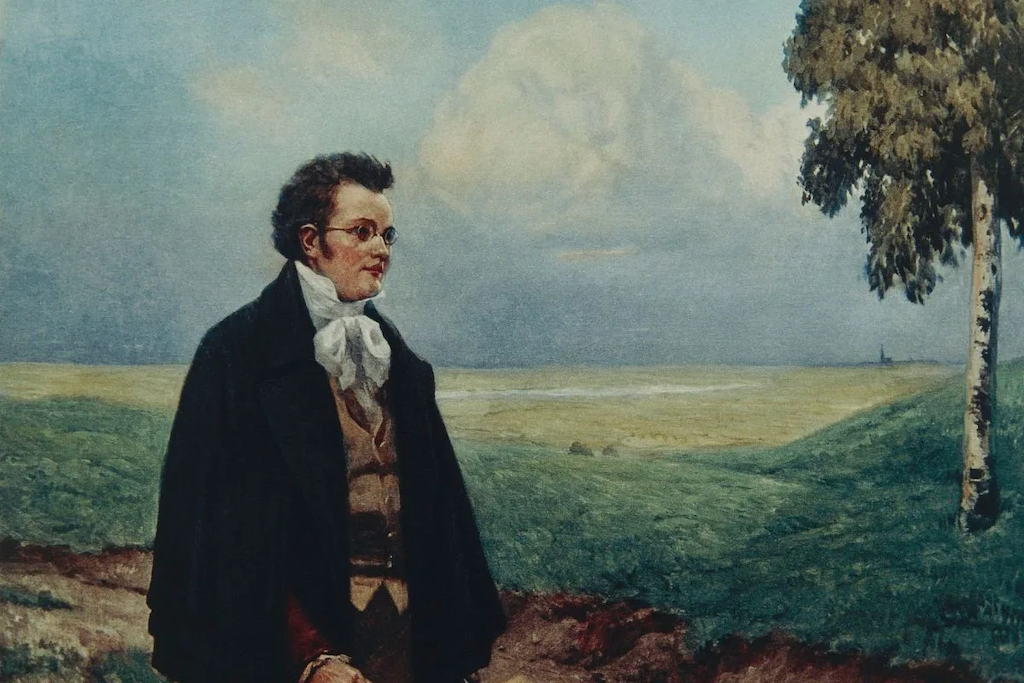
Few composers inspire as much affection as Franz Schubert. His melodies possess a natural lyricism that can seem effortless, while his gift for harmony allows familiar emotions to take unexpected turns. Although he died at the age of just 31, Schubert left behind more than a thousand works, including symphonies, chamber music, piano pieces, songs, sacred music and operas. Yet for many listeners, his reputation rests on a relatively small group of masterpieces such as the Unfinished Symphony, the Great C major Symphony, the song Erlkönig, the Trout Quintet and the final piano sonatas.
Exploring beyond these familiar works reveals an astonishingly rich musical landscape. Some compositions remain overlooked because they were overshadowed by more famous contemporaries, while others simply never entered the regular concert repertoire. Many deserve to be heard far more often, offering fresh perspectives on a composer whose imagination extended well beyond his greatest hits.
Here are some of Schubert's most rewarding underrated works.
String Quartet No. 10 in E-flat major, D.87
Before writing his celebrated late quartets, Schubert composed a remarkable series of youthful chamber works. String Quartet No. 10, written when he was just 16 years old, demonstrates an astonishing level of maturity.
Unlike the dramatic intensity of Death and the Maiden, this quartet embraces elegance, warmth and charm. The opening movement unfolds with graceful melodies that already display Schubert's remarkable instinct for long musical phrases. The slow movement reveals an emotional depth uncommon for a teenage composer, while the lively finale sparkles with wit and energy.
It offers an ideal introduction to Schubert's early chamber music and reminds listeners that his genius was evident long before his final years.
Piano Sonata in A major, D.664
Schubert's last three piano sonatas often dominate recital programmes, but the Piano Sonata in A major deserves equal admiration.
Composed during a happy summer holiday in Upper Austria, the work radiates optimism. Instead of the philosophical introspection found in the late sonatas, this music feels intimate and conversational. The opening movement flows naturally from one lyrical idea to another, while the central Andante balances tenderness with quiet melancholy.
The joyful finale captures Schubert's gift for effortless melody. Although technically less demanding than his later sonatas, it requires great sensitivity from the performer to preserve its simplicity and warmth.
Symphony No. 3 in D major, D.200
Schubert completed six youthful symphonies before embarking on the famous Unfinished Symphony. Among them, the Third Symphony stands out for its infectious vitality.
Written when the composer was only 18, the symphony reflects the influence of Joseph Haydn and Ludwig van Beethoven, yet Schubert's own personality is unmistakable. Bright orchestral colours, memorable themes and rhythmic energy make it an engaging concert work.
The spirited finale, inspired by the Italian overtures of Gioachino Rossini, races forward with irresistible momentum. It is surprising that this lively symphony appears so infrequently in modern concert halls.
Mass No. 2 in G major, D.167
Schubert's sacred music remains one of the least explored parts of his catalogue.
The Mass in G major is concise, lasting around half an hour, yet contains music of remarkable beauty. Rather than relying on large orchestral forces, Schubert creates an atmosphere of intimacy and devotion. The vocal writing is clear and expressive, allowing the text to emerge naturally.
Particularly memorable is the Sanctus, whose serene opening gradually blossoms into radiant choral writing. The work has become popular among amateur choirs because of its accessibility, but it also rewards professional performances with its understated elegance.
Sonata in A minor for Arpeggione and Piano, D.821
The Arpeggione Sonata occupies an unusual place in music history because it was written for an instrument that quickly disappeared.
The arpeggione resembled a cross between a guitar and a cello and enjoyed only brief popularity. Today, the sonata is usually performed on cello or viola, allowing modern audiences to appreciate one of Schubert's most lyrical chamber works.
The opening movement combines virtuosity with song-like melodies, while the slow movement unfolds as one of Schubert's most touching inspirations. The cheerful finale brings the work to a satisfying conclusion filled with graceful humour.
Although it appears regularly in recordings, it deserves to be programmed more frequently in live concerts.
Fantasie in F minor for Piano Four Hands, D.940
Among Schubert's finest piano works, the Fantasie in F minor remains surprisingly less familiar than many solo compositions.
Written for piano duet, it explores a remarkable emotional range within a single continuous structure. Gentle lyricism gives way to passages of turbulence before returning to moments of profound reflection.
One of the most moving episodes is the central fugue, where intellectual craftsmanship merges seamlessly with emotional expression. The closing pages possess an extraordinary sense of farewell that many commentators associate with Schubert's awareness of declining health.
The work represents one of the greatest achievements in the piano duet repertoire.
Gesang der Geister über den Wassern, D.714
Schubert composed more than 600 songs, yet many listeners know only a handful.
Gesang der Geister über den Wassern stands apart from his solo songs because it is written for men's chorus accompanied by low strings. Setting a poem by Johann Wolfgang von Goethe, Schubert creates a haunting atmosphere in which flowing musical lines evoke the movement of water.
The rich sonorities of violas, cellos and double basses produce a distinctive sound world unlike anything else in his output. The result is contemplative, mysterious and deeply moving.
Octet in F major, D.803
The Octet is sometimes overshadowed by the more famous Trout Quintet, yet many musicians consider it among Schubert's greatest chamber works.
Inspired partly by Beethoven's Septet, Schubert expanded the ensemble to eight players and created a substantial six-movement composition lasting nearly an hour.
Every movement offers memorable ideas, from the lyrical Adagio to the playful Scherzo and brilliant variations. The work balances elegance with structural ambition, demonstrating Schubert's growing confidence as a large-scale composer.
Its generous melodies and colourful instrumentation make it accessible even for listeners new to chamber music.
Lazarus, D.689
Schubert devoted considerable effort to opera and dramatic music, although these works have rarely achieved lasting popularity.
Among them, Lazarus deserves renewed attention. Left incomplete, the work tells the biblical story of Lazarus with music that combines operatic drama and sacred contemplation.
Rather than emphasising spectacle, Schubert focuses on human emotion. The orchestration is imaginative, and the vocal writing displays the same lyrical gift found throughout his songs.
Modern performances reveal a fascinating glimpse of what Schubert might have achieved had he completed more stage works.
Piano Trio No. 1 in B-flat major, D.898
While the Second Piano Trio often receives greater attention, the First Piano Trio possesses equal charm and refinement.
Its opening movement introduces one memorable melody after another, while the slow movement unfolds with gentle lyricism instead of overt tragedy. The Scherzo sparkles with rhythmic lightness, and the finale brings together the work's themes with remarkable confidence.
The trio perfectly illustrates Schubert's ability to sustain long musical narratives without sacrificing melodic freshness.
Why These Works Matter
The popularity of Schubert's best-known compositions can sometimes obscure the remarkable breadth of his achievement. His catalogue includes intimate chamber music, sacred masterpieces, ambitious orchestral works and experimental compositions that reveal different aspects of his personality.
Many of these lesser-known pieces challenge the common perception of Schubert as merely a composer of beautiful melodies. They demonstrate his growing command of large-scale form, his imaginative approach to harmony and his willingness to experiment with unusual instrumental combinations and dramatic structures.
Exploring these works also reveals how remarkably consistent his inspiration remained throughout his career. Whether writing for solo piano, chorus, chamber ensemble or orchestra, Schubert possessed an extraordinary ability to transform simple musical ideas into deeply expressive experiences.
For listeners who already love the Unfinished Symphony or Winterreise, these underrated compositions provide an opportunity to discover fresh dimensions of one of classical music's most beloved composers. They may not always enjoy the same fame as his greatest masterpieces, but they reward careful listening with the same qualities that have captivated audiences for generations: unforgettable melodies, emotional honesty and an unmistakable musical voice.
Schubert's catalogue is far richer than the handful of works that dominate concert programmes. Taking the time to explore these overlooked gems reveals not a secondary Schubert, but the same extraordinary composer viewed from a different perspective.