How Classical Music Survived Wars and Political Upheavals
From wartime premieres to hidden manuscripts and exiled composers, classical music has repeatedly survived humanity's darkest moments. Discover how wars, revolutions and political upheavals shaped the music we continue to perform and cherish today.

Classical music has never existed in isolation from history. Behind many of the world’s great compositions lie stories of invasion, revolution, censorship, exile, and resistance. Empires have collapsed, governments have fallen, and cities have been reduced to rubble, yet music has endured through each crisis. Sometimes it survived because rulers considered it a symbol of national pride. At other times it endured because ordinary people refused to let it disappear.
From the courts of eighteenth-century Europe to concert halls rebuilt after the Second World War, classical music has repeatedly adapted to changing political landscapes. The survival of this tradition is not simply a story of famous composers. It is also one of performers, audiences, librarians, teachers, and institutions who risked everything to preserve a shared cultural heritage.
Composers Through Conflict
Many of the composers we celebrate today lived during periods of extraordinary political instability.
Joseph Haydn spent his final years during the Napoleonic Wars. In 1809, as French troops entered Vienna, the elderly composer remained in his home despite the bombardment. According to contemporary accounts, French officers reportedly paid him their respects, recognising his international stature. Haydn died while Vienna was occupied, but his music continued to be performed across Europe, even by nations at war with one another.
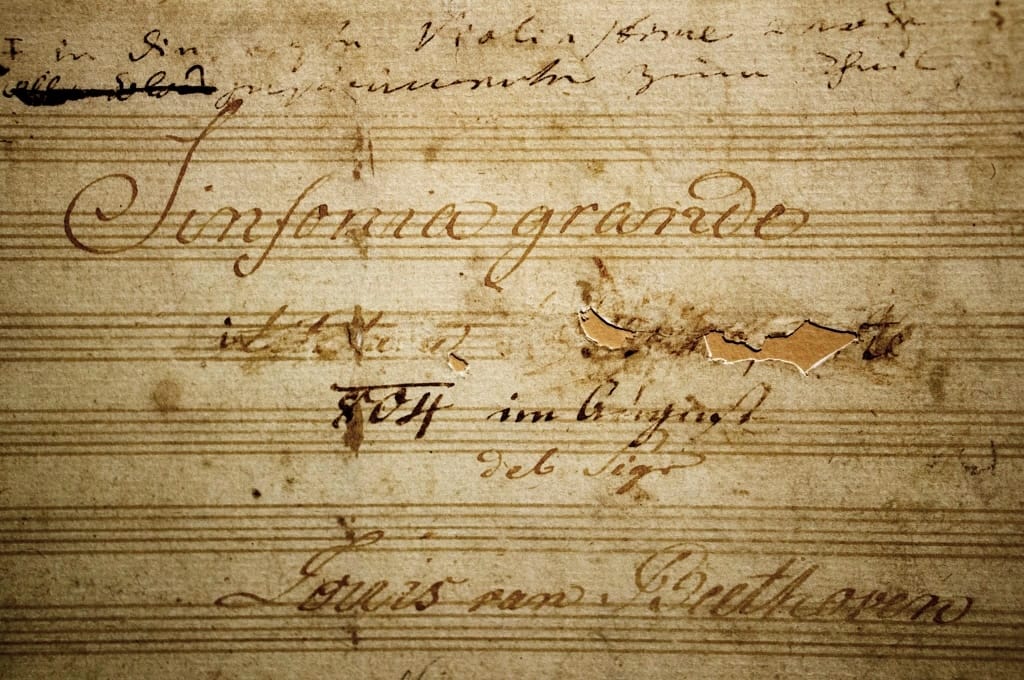
His younger contemporary, Ludwig van Beethoven, experienced the same turbulent era. He originally dedicated his Third Symphony to Napoleon Bonaparte, but later withdrew that dedication after Napoleon crowned himself emperor. The work, later titled Eroica, became a powerful musical reflection on heroism that outlived the political moment that inspired it.
Later in the nineteenth century, nationalist movements across Europe shaped the music of composers such as Frédéric Chopin and Bedřich Smetana. Living in exile after the failed Polish uprising of 1830–31, Chopin infused many of his works with the rhythms and dances of Poland, allowing cultural identity to flourish far from home. Smetana similarly celebrated Czech language, folklore, and landscapes through music during a period of Habsburg rule.
Music In War
The outbreak of the First World War in 1914 transformed Europe’s cultural life almost overnight. Concert seasons were cancelled, musicians enlisted in military service, and international artistic collaboration came to an abrupt halt. In many Allied countries, performances of German music were reduced or removed from concert programmes, while works by Allied composers became unwelcome in parts of Central Europe.
Yet music itself continued. Soldiers carried instruments to the trenches. Military bands remained active throughout the conflict, while composers continued writing under extraordinarily difficult conditions.
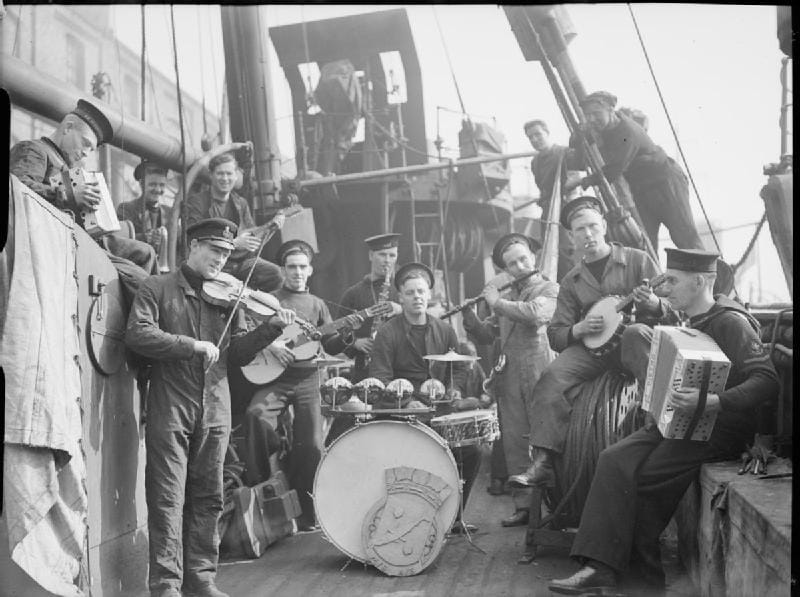
British composer George Butterworth, whose orchestral rhapsody The Banks of Green Willow remains a favourite today, was killed during the Battle of the Somme in 1916 at the age of just 31. His death symbolises the devastating artistic losses caused by the war.
Meanwhile, audiences often turned to familiar works by composers such as Beethoven and Johann Sebastian Bach, finding comfort in music that transcended national borders despite the conflict surrounding it.
Dictatorship And Censorship
The decades between the two world wars brought fresh challenges. Authoritarian governments increasingly recognised the power of music as both propaganda and political expression.
In Nazi Germany, Jewish composers were banned, orchestras were purged, and many musicians fled Europe. Works by Felix Mendelssohn disappeared from official concert programmes because of his Jewish heritage, despite his enormous contribution to nineteenth-century music.
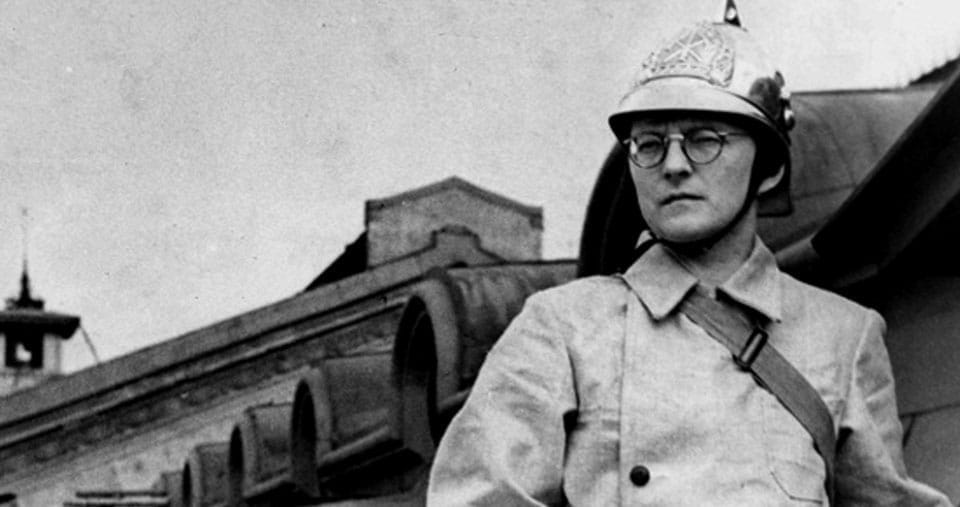
Many leading artists escaped persecution by emigrating to Britain or the United States. Others were less fortunate. The Nazi regime also condemned modernist composers whose works it labelled “degenerate.” Experimental music was dismissed as culturally corrupt, forcing many composers into exile.
At the same time, the Soviet Union imposed its own artistic restrictions. Composers were expected to produce music that reflected socialist ideals. Those accused of formalism or excessive experimentation risked censorship, public criticism, or worse.
Perhaps the best-known example is Dmitri Shostakovich. Following official condemnation in 1936, he lived under constant political pressure. Yet his symphonies often conveyed emotional depth and ambiguity that listeners interpreted as subtle responses to life under dictatorship.
Leningrad’s Seventh
Few musical events better demonstrate the resilience of classical music than the premiere of Shostakovich’s Seventh Symphony. During the Second World War, the city of Leningrad endured one of the longest and deadliest sieges in history. Starvation, disease, and relentless bombing claimed hundreds of thousands of lives.
Despite these conditions, the surviving members of the city’s radio orchestra were brought together to perform the symphony in August 1942. Several musicians were so weak from hunger that they struggled to play. Additional performers were recalled from military service to complete the orchestra.
The concert was broadcast throughout the city and reportedly amplified toward German positions outside Leningrad. For many listeners, the performance became a powerful symbol that culture and humanity had survived despite unimaginable hardship.
Saving Manuscripts
War threatened not only musicians but also the priceless manuscripts that preserved centuries of musical history. Libraries, churches, and archives across Europe faced destruction from bombing.
Curators, librarians, and archivists often worked in secret to protect original scores by composers including Bach, Beethoven, and Wolfgang Amadeus Mozart. Many manuscripts were hidden in monasteries, castles, mines, and rural storage facilities to shield them from air raids and looting. Without these efforts, countless original documents that scholars rely on today might have been permanently lost.
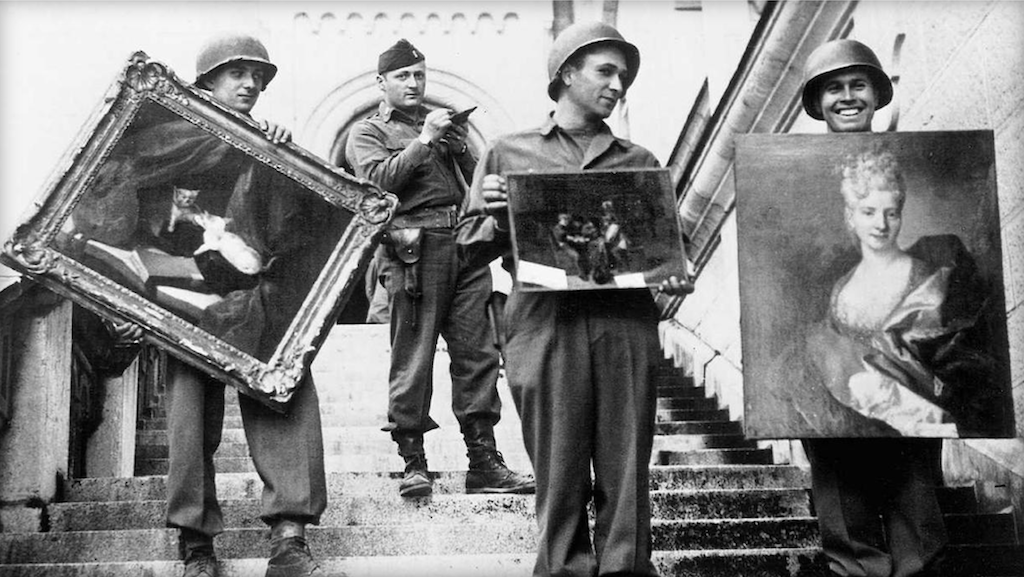
Women also played an important part in preserving Europe’s musical heritage. As performers, teachers, librarians, and patrons, many helped safeguard musical traditions at a time when opportunities for women to compose or conduct professionally remained limited.
Similarly, valuable musical instruments were carefully evacuated from museums across Europe. Historic violins, cellos, and keyboard instruments survived because individuals recognised that preserving culture mattered even during wartime.
Rebuilding Concert Life
One of the most remarkable aspects of classical music’s survival is how quickly concert life returned after conflict ended. Across Europe, damaged opera houses and concert halls were rebuilt.
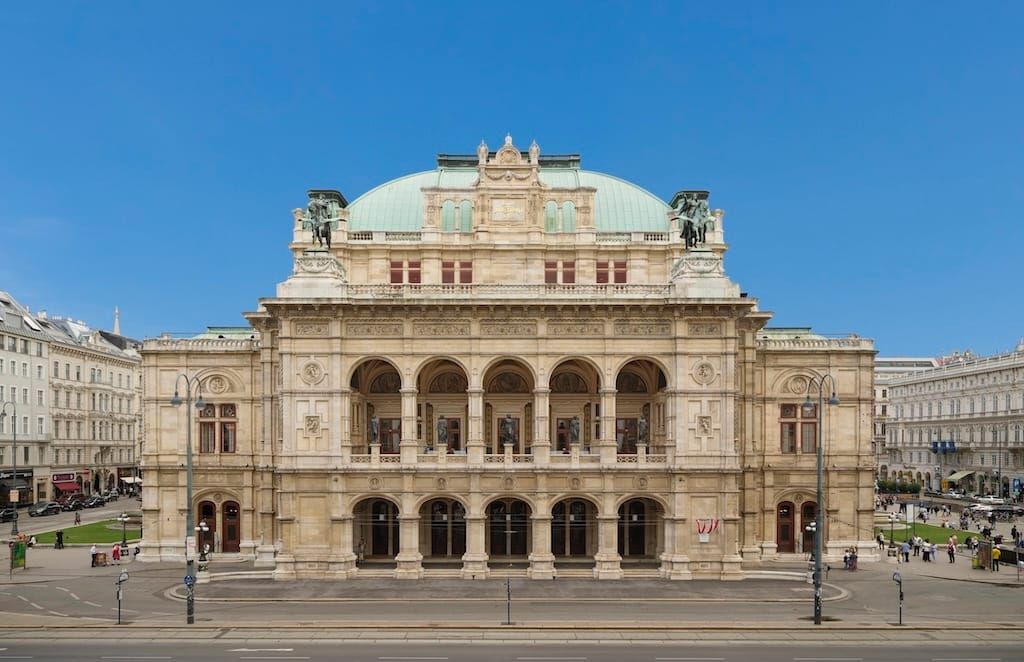
The Vienna State Opera, heavily damaged by bombing in 1945, reopened in 1955 after extensive reconstruction. Warsaw and many other devastated cities likewise restored their musical institutions, demonstrating that artistic life could flourish again despite the destruction.
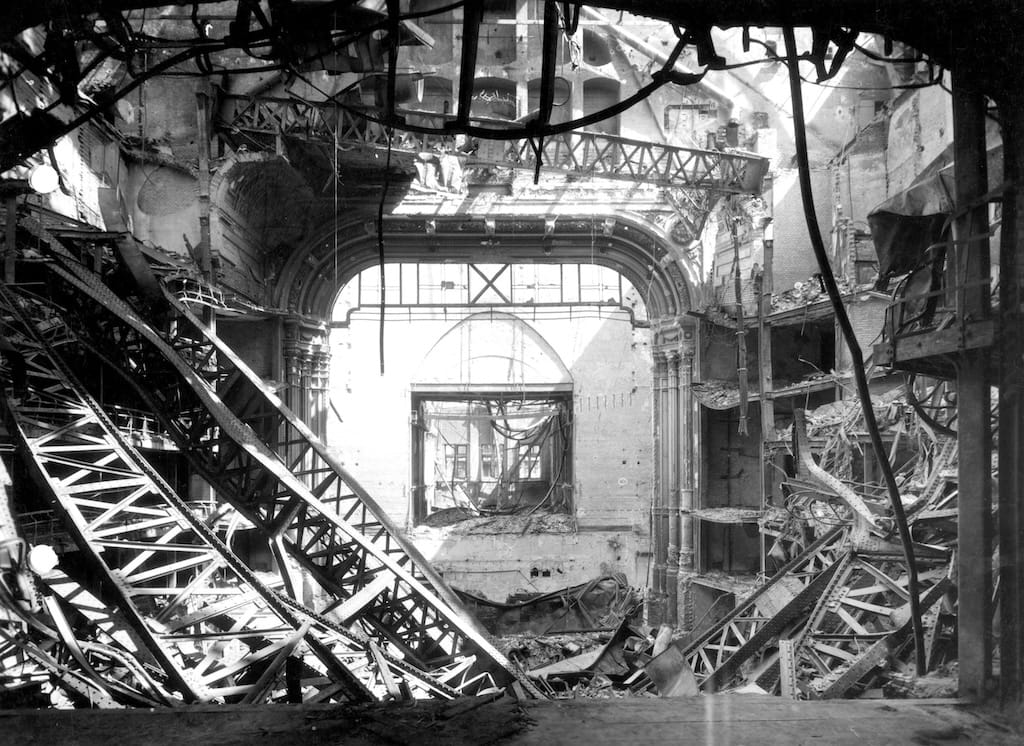
Audiences flocked back to performances, seeking moments of beauty after years of hardship. Music became part of rebuilding not only physical cities but also public morale.
International festivals encouraged cultural reconciliation by welcoming musicians from former enemy nations. Shared performances demonstrated that artistic collaboration could resume even after devastating political divisions.
Music In Exile
Political upheaval has repeatedly forced musicians to leave their homelands. Throughout the twentieth century, countless composers, conductors, and performers rebuilt their careers abroad. Their migration transformed musical life in the countries that welcomed them.
Many European musicians who fled fascism found opportunities in Britain and North America, enriching orchestras, conservatoires, and universities with their experience and expertise. Others settled in Australia, Latin America, and parts of Asia, where they helped establish new musical institutions and train future generations of performers.
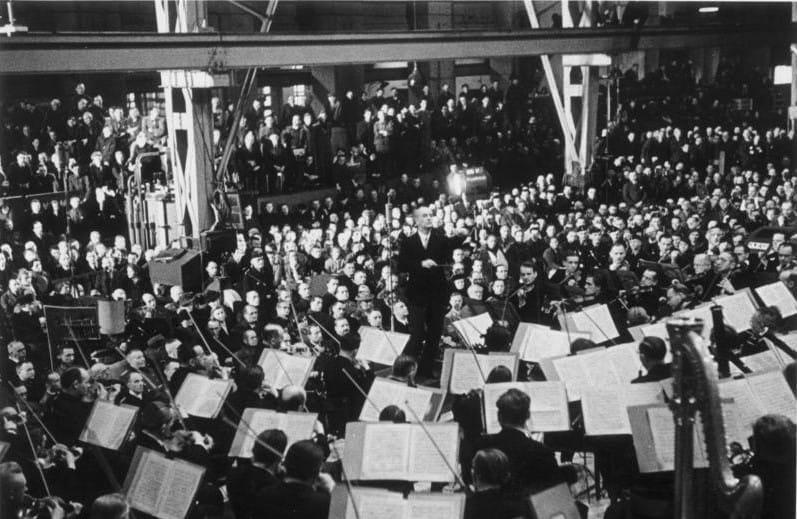
By the mid-twentieth century, the preservation of European classical music had become a truly international effort. Conservatoires, orchestras, and opera companies across North America, Asia, Australia, and Latin America ensured that the repertoire continued to thrive well beyond the continent where it first developed.
Rather than disappearing, these musical traditions spread across the world. Today, many of the world’s leading orchestras perform works by Beethoven, Mozart, and Shostakovich thousands of miles from the cities where they were originally composed, showing that classical music is no longer tied to any single nation or political system.
Recording And Access
For centuries, classical music depended almost entirely on live performance and printed scores. While manuscripts preserved the notes, each performance existed only in the memories of those who heard it.
The invention of sound recording transformed that relationship. Historic performances by celebrated conductors, singers, and soloists could now be preserved, allowing future generations to hear interpretations that might otherwise have been lost. Radio broadcasts further expanded audiences, bringing concerts into homes during times of both peace and conflict.
As technology advanced, vinyl records, cassette tapes, compact discs, and eventually digital streaming made classical music more resilient than ever before. Even when concert halls were forced to close during periods of disruption, performances continued to reach audiences around the world through broadcasts and online platforms.
Today, digital archives preserve not only original manuscripts but also thousands of recordings, ensuring that centuries of musical heritage remain accessible to musicians, researchers, and listeners alike.
Why Music Matters
Unlike monuments or buildings, music cannot be destroyed by a single bomb. Even when manuscripts are lost, melodies can survive in memory. A symphony exists not only on paper but also in the minds of performers and listeners.
This ability to be recreated has helped classical music outlast wars, revolutions, and political censorship. Music also speaks across national boundaries. Although governments have often attempted to claim composers as symbols of national identity, audiences rarely restrict themselves in the same way.
Beethoven is performed in Tokyo, Bach in Buenos Aires, Mozart in Cape Town, and Shostakovich in New York. Political borders have never prevented great music from travelling.
Technology has strengthened this resilience still further. Digital archives, online libraries, and streaming platforms now allow performances and historical recordings to reach audiences worldwide. During recent global disruptions, musicians once again demonstrated that classical music could adapt, with online concerts bringing orchestras and soloists into homes across the globe.