Dancing Queen at 50: The Anatomy of a Perfect Pop Song
Fifty years on, ABBA’s “Dancing Queen” remains one of pop’s most recognisable songs. Beneath its glittering surface lies a masterclass in rhythm, melody, harmony, arrangement and production, revealing why this disco classic continues to captivate audiences.

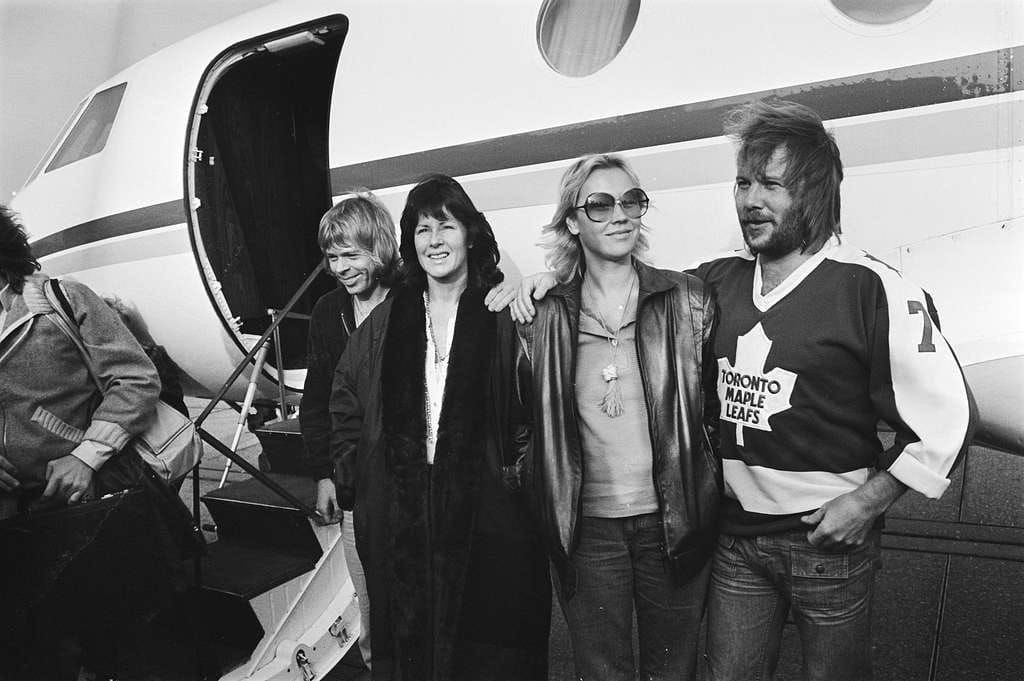
There are songs that become hits, songs that become classics, and a very small number that seem to become part of the cultural vocabulary itself. “Dancing Queen” belongs to the last category.
Released in Sweden on 16 August 1976, the song arrived at the height of disco and helped establish ABBA as one of the defining pop acts of the era. Fifty years later, it remains remarkably difficult to hear its opening piano figure without knowing what comes next. The song has crossed generations, languages and musical fashions, appearing everywhere from dancefloors and weddings to films and television.
Its longevity is particularly interesting because “Dancing Queen” is not simply a great pop song. It is a remarkably sophisticated piece of musical construction. The magic lies in how little of that sophistication announces itself.
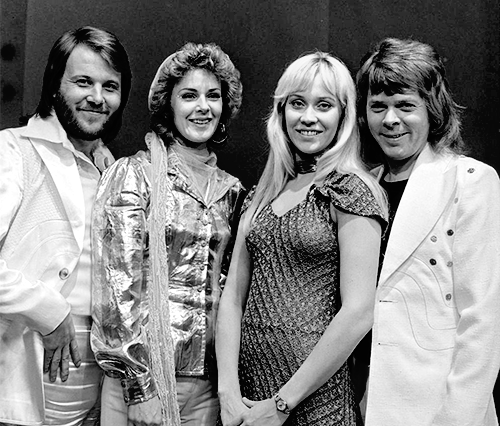
It began with a groove
“Dancing Queen” did not begin with the words “You are the dancing queen”. It began as an instrumental idea.
Benny Andersson and Björn Ulvaeus started working on the song in 1975. Its early working title was “Boogaloo”, reflecting the dance-oriented character of the music. For its rhythmic foundation, ABBA looked towards American disco, particularly George McCrae’s 1974 hit “Rock Your Baby”. They also drew inspiration from the New Orleans-influenced rhythms of Dr John’s Gumbo.
That is an important clue to understanding ABBA.
The group was not simply reproducing American disco. Andersson and Ulvaeus absorbed its rhythmic language and rebuilt it within their own musical world. The result was a groove that feels relaxed rather than frantic. “Dancing Queen” moves at roughly 100 beats per minute, noticeably slower than many of the era’s more urgent disco hits.
That slower pulse is part of the song's secret. It gives the music room to breathe. The drums and bass establish a dependable dance pulse, while the keyboards, guitars, strings and voices create layers above it. The listener therefore experiences two things simultaneously: the physical insistence of the beat and the emotional expansiveness of the arrangement. It is music designed for the body, but also for the imagination.
The song knows when to reveal itself
One of the most striking things about “Dancing Queen” is its structure. Many pop songs announce themselves immediately with the first line of the verse or the title. “Dancing Queen” takes a more unusual route.
The opening is instrumental. Then the verse begins in a comparatively restrained register before the music gradually gathers momentum. When the chorus arrives, the vocal leaps upwards with “You can dance”, giving the listener an immediate sense of release. That contrast between restraint and release is fundamental to the song's emotional effect.
A contemporary analysis of the song notes that the vocal entrance reaches its highest point around the middle of the chorus, rather than simply beginning with the title phrase. The arrangement simultaneously rises towards the chorus, with strings adding another upward movement.
This is classic musical architecture. Tension is created first. Release comes afterwards. The technique is hardly unique to pop. Composers have used contrast between registers, dynamics, density and harmonic tension for centuries. What ABBA understood was how to compress those principles into an exceptionally accessible three-and-a-half-minute song.

A chorus that feels inevitable
The chorus of “Dancing Queen” is almost absurdly memorable. That is partly because it contains several hooks rather than just one.
There is the rhythmic hook. There is the melodic contour. There is the title phrase. There are the layered harmonies. And there is the instrumental arrangement surrounding the vocal. Each element reinforces the others.
This is one reason the song does not feel repetitive despite relying heavily on repetition. Every return of the chorus is recognisable, but the listener hears it in a slightly different context because the surrounding arrangement has moved the music forward.
That is an idea familiar to classical composers. A motif becomes powerful not merely because it is repeated, but because its meaning can change depending on what surrounds it. ABBA were masters of this principle in pop form.
The extraordinary power of the ABBA harmony
For all the attention given to disco, the emotional character of “Dancing Queen” comes from something deeper than its rhythm. There is a slight wistfulness beneath the euphoria.
The song sounds joyous, but it is not uncomplicatedly joyous. Its harmonic language and vocal arrangement give the music a bittersweet quality, something Björn Ulvaeus has previously associated with what he described as ABBA’s “Nordic melancholic feeling”. That tension is crucial.
Imagine the song with exactly the same lyrics and beat but with a much simpler harmonic accompaniment. It would still be danceable, but much of its emotional depth would disappear. The harmony gives the listener something to feel beneath the surface.
This may also explain why the song has proved so adaptable. “Dancing Queen” can function as a disco anthem, a nostalgic memory, a theatrical number or an orchestral arrangement without losing its identity. Its emotional core is strong enough to survive changes of instrumentation.
The voices are instruments
Another defining feature is the relationship between Agnetha Fältskog and Anni-Frid Lyngstad. Their voices do not merely deliver the melody. They form part of the arrangement.
ABBA's vocal sound depends heavily on the contrast between Fältskog's bright, clear tone and Lyngstad's warmer, darker voice. When combined and layered, the two create a vocal texture considerably larger than a single lead performance. This is especially important in the chorus.
Rather than treating backing vocals as decoration, ABBA use them to expand the musical space. The listener hears a single song, but underneath it are multiple melodic and harmonic layers. It is closer to orchestration than it initially appears.
The same principle applies to the instruments. Piano, guitar, bass, drums, synthesiser and strings are not competing for attention. Each occupies a specific role in the overall texture. That sense of balance was central to ABBA's studio sound.
The studio as a compositional instrument
“Dancing Queen” also demonstrates something that is easy to overlook when discussing songwriting: the finished record is itself part of the composition.
The backing track was developed before the final lyrics were in place. Andersson and Ulvaeus first concentrated on building the musical foundation, with drums, bass, guitar and keyboards establishing the song's character. This approach gave ABBA enormous freedom.
Instead of beginning with a completed lyric and simply accompanying it, they could shape the vocal melody around an already functioning piece of music.
The process also helps explain the extraordinary precision of the final recording. Every sound has a purpose. The instrumental parts are carefully positioned around the voices, while the strings add movement and emotional lift. It is not a band simply playing a song. It is an arrangement.
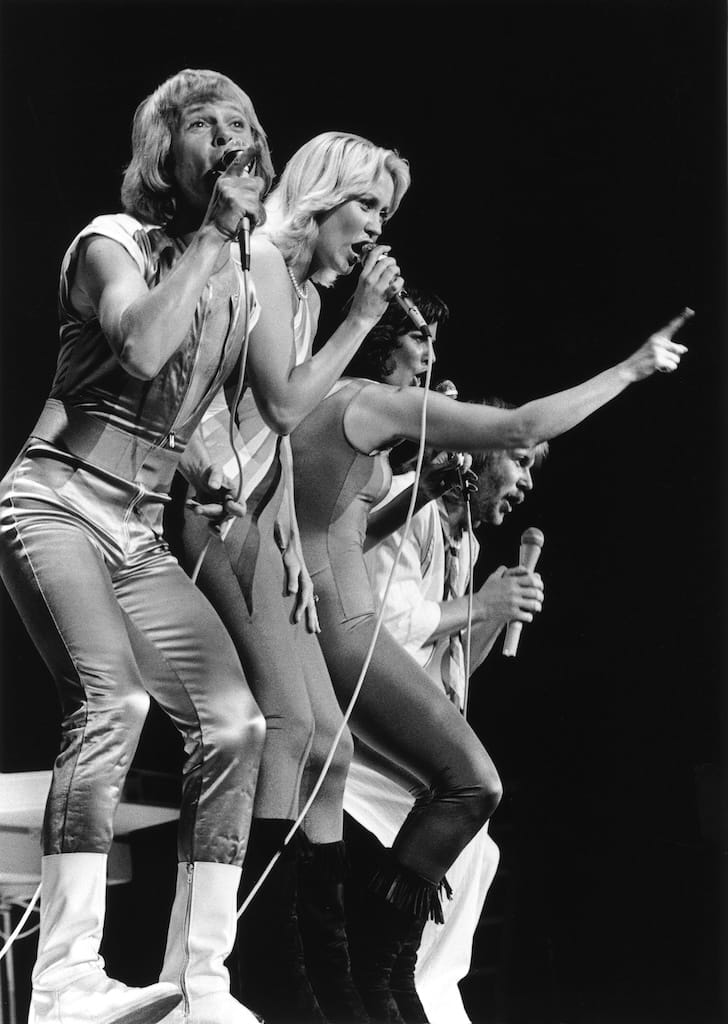
From “Boogaloo” to “Dancing Queen”
The evolution of the title tells us something else about the song. “Boogaloo” may have described the musical idea, but “Dancing Queen” transformed it into a story.
The lyrics centre on a 17-year-old girl on a Friday night, dancing in a club and temporarily escaping into music. The song therefore contains a fascinating contrast: it is sung from the outside, observing this young woman, while inviting the listener to experience the same sense of liberation.
The lyrics were also developed after the musical foundation. That sequence matters. The music establishes the emotional world first. The words then give that world a character and a setting. The result is unusually universal.
There is no complicated narrative to understand. You do not need to know anything about ABBA, Sweden or 1970s disco. You simply recognise the feeling of being young, hearing music and momentarily believing that nothing exists beyond the room you are in. That is an extraordinarily efficient piece of songwriting.
Why does it still work?
The easiest answer is nostalgia. But nostalgia alone cannot explain the song's survival. There are thousands of songs associated with the 1970s that have become historical curiosities. “Dancing Queen” has not.
Its endurance comes from the fact that several different kinds of musical pleasure operate simultaneously. The beat makes you move. The melody makes you sing. The harmony gives the song emotional depth. The voices provide warmth and personality. The arrangement keeps revealing new details. And the lyrics create an image that is immediately understandable.
Most importantly, none of these elements overwhelms the others. That balance is extraordinarily difficult to achieve.
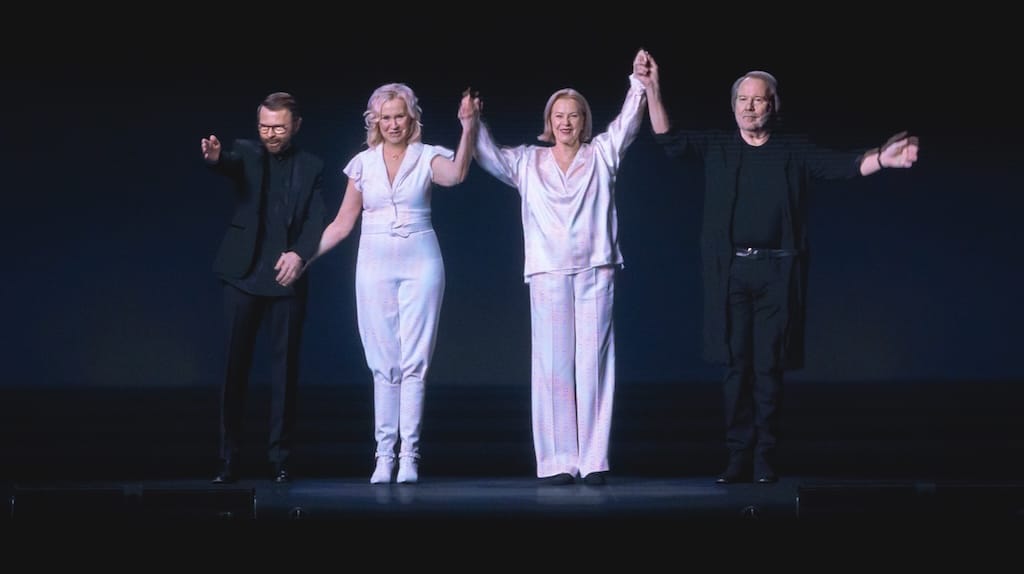
The anatomy of perfection
Perhaps the most revealing way to understand “Dancing Queen” is to stop thinking of it as a piece of disposable pop. Its construction has much in common with the principles that have governed memorable music for centuries.
A strong rhythmic foundation. A memorable motif. Contrast between sections. Tension followed by release. Repetition with variation. Layered textures. A carefully shaped melodic climax. And an emotional idea simple enough to communicate immediately, but rich enough to invite repeated listening.
These are not exclusively pop techniques. They are fundamental musical techniques. ABBA simply applied them to the dancefloor. That may be the real reason “Dancing Queen” has survived for half a century. It sounds effortless, but it is anything but accidental.
The song was assembled from American disco, New Orleans rhythm, Swedish songwriting, sophisticated harmony, meticulously arranged vocals and an extraordinarily disciplined studio production. The result is simultaneously immediate and intricate. That combination is rare.
On 16 August 1976, listeners heard a new ABBA single. Fifty years later, they are still hearing something that feels remarkably alive. The dancing queen may have been 17. The song itself is now 50. And somehow, it still knows exactly when to make us dance.