Beyond Angels and Glissandos: Why the Harp Deserves a Closer Listen
Often associated with angels, fairy tales and shimmering glissandos, the harp is one of classical music's most misunderstood instruments. From Debussy to Stravinsky, its rich expressive palette reveals a voice capable of drama, power, mystery and innovation.

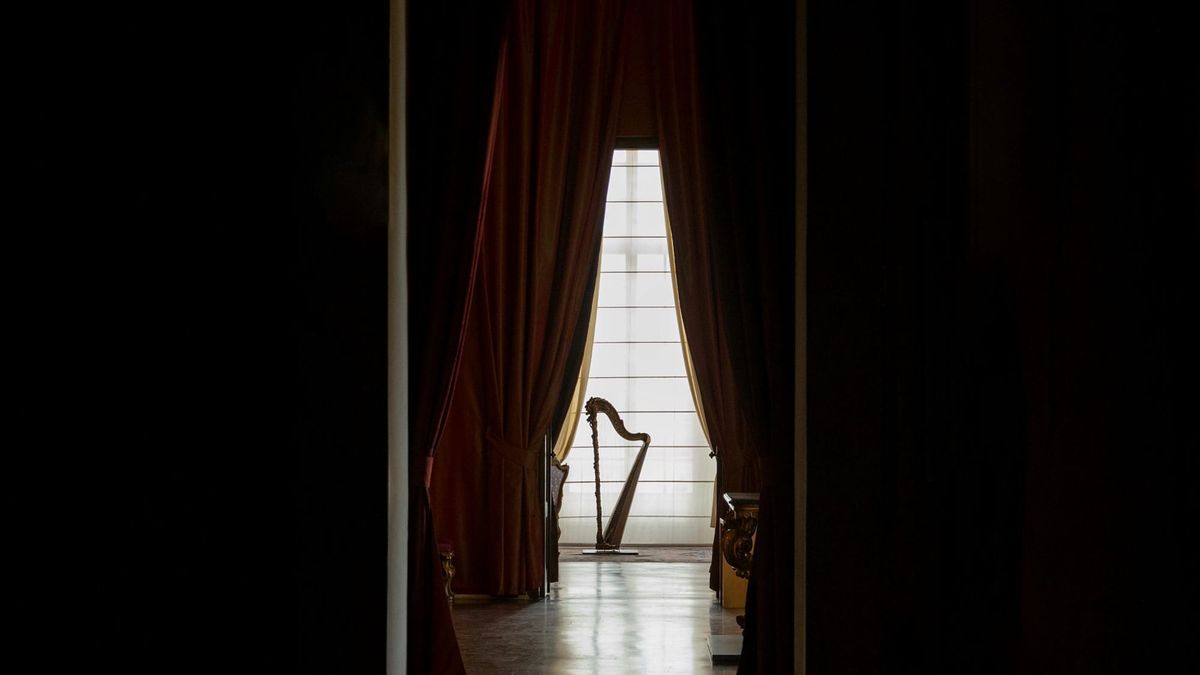
Mention the harp and many listeners immediately picture a heavenly instrument bathed in golden light, accompanying angels, fairies, or romantic scenes. In the orchestral imagination, the harp is often associated with shimmering glissandos and delicate arpeggios that seem to float above the orchestra. It is beautiful, certainly, but this familiar image tells only part of the story.
The harp is one of the oldest musical instruments in human history, yet it remains among the least understood instruments of the modern symphony orchestra. While the violin, piano, and cello regularly occupy the spotlight, the harp often sits quietly at the edge of the stage, its contributions admired but rarely examined in detail. In reality, it is an instrument of remarkable sophistication, capable of far more than decorative flourishes and celestial effects.
From the sensual colours of French Impressionism to the rhythmic power of twentieth-century modernism, composers have repeatedly turned to the harp not merely for beauty but for drama, innovation, and expressive depth. To appreciate the harp fully, one must look beyond the stereotypes and discover an instrument of extraordinary versatility.
An Ancient Instrument in a Modern Orchestra
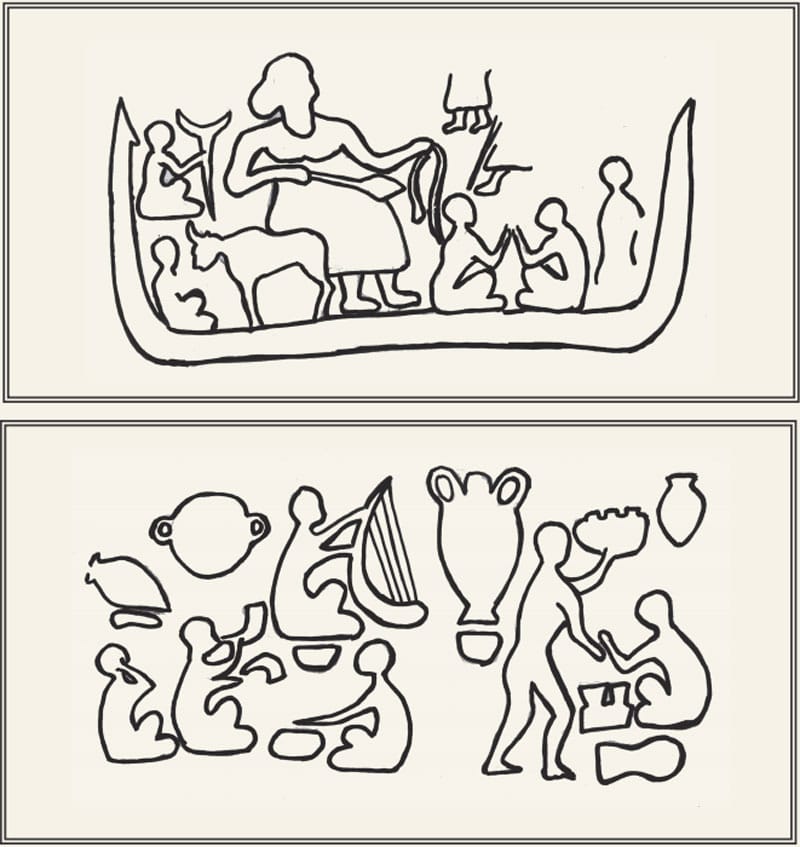
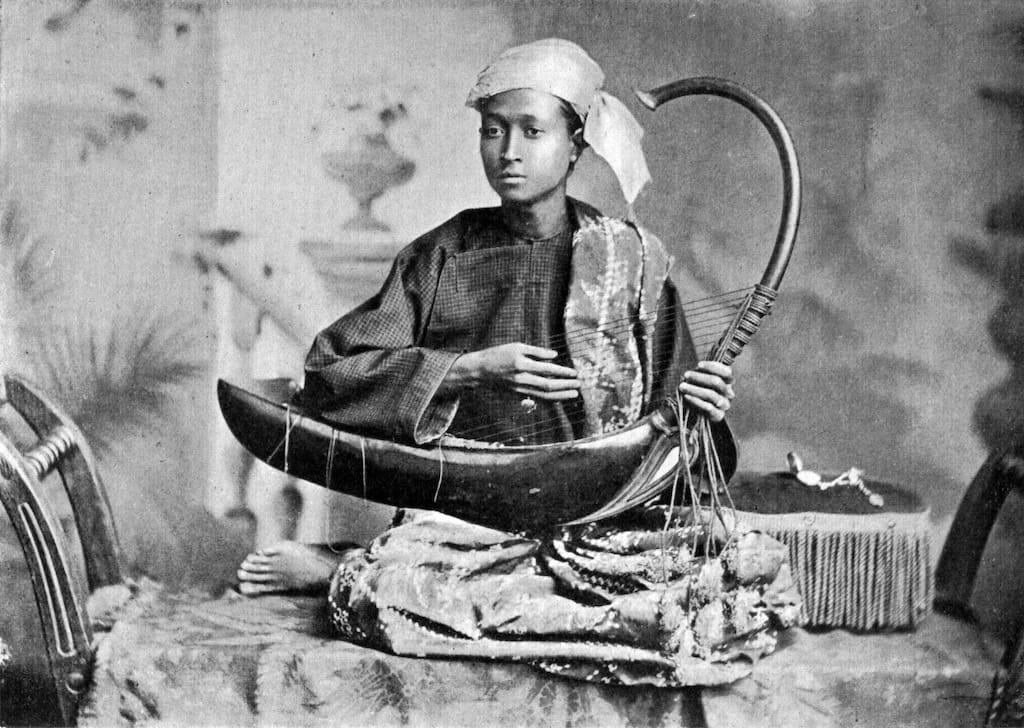
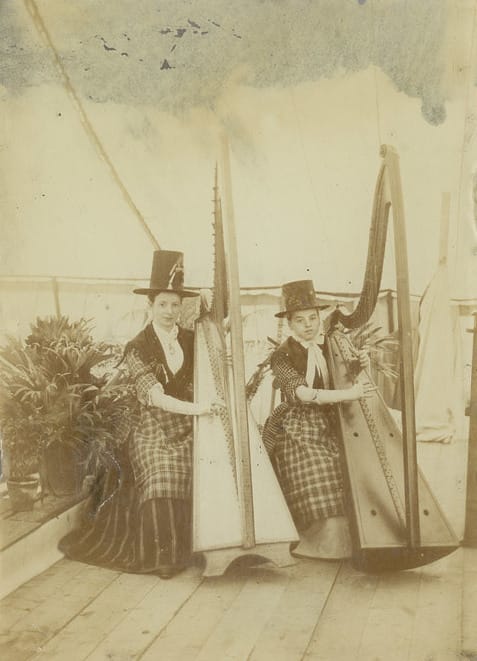
The harp's history stretches back thousands of years. Variations of the instrument appeared in ancient Egypt, Mesopotamia, and across the Mediterranean world long before the development of the violin or piano. Throughout the centuries, harps evolved into countless forms, from small folk instruments to large courtly harps used in aristocratic circles.
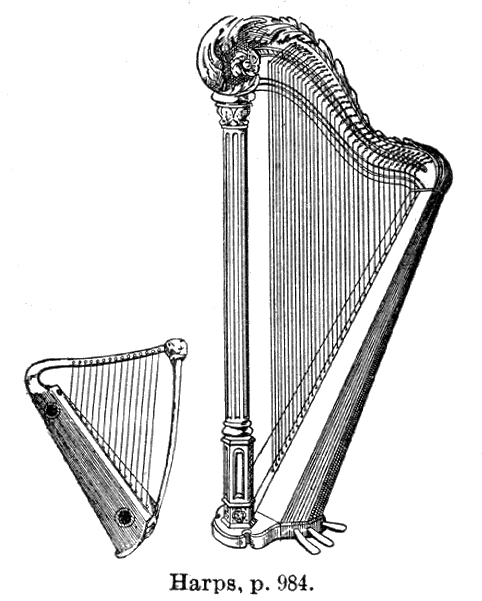
The modern concert harp, however, is a relatively recent invention. The breakthrough came in the early nineteenth century with the development of the double-action pedal harp by the French instrument maker Sébastien Érard. His innovation allowed harpists to alter the pitch of strings rapidly through a sophisticated pedal mechanism, making chromatic music possible and greatly expanding the instrument's repertoire.
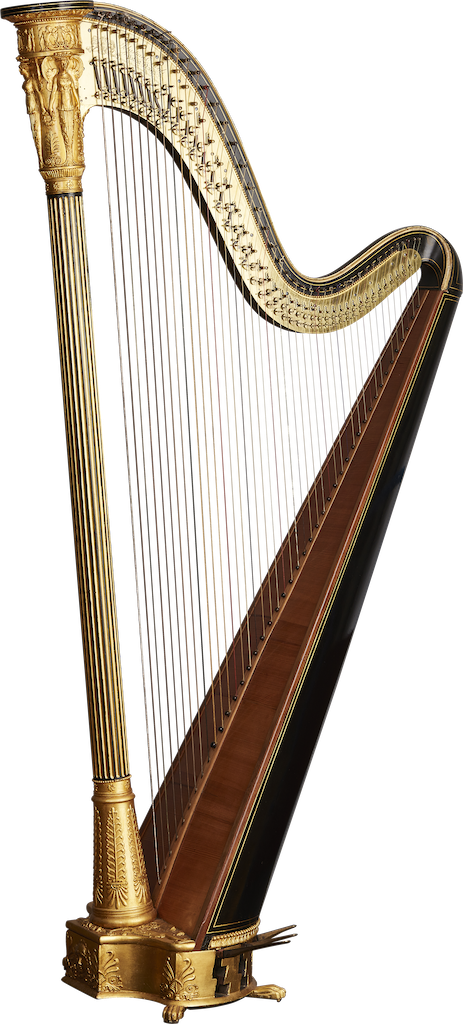
A modern concert harp typically possesses 47 strings and seven pedals. Each pedal controls a specific pitch class across the entire instrument. By changing pedal positions, harpists can raise notes by semitones, enabling them to navigate even the most complex harmonic landscapes.
This system transformed the harp from a largely diatonic instrument into one capable of handling the increasingly adventurous harmonic language of nineteenth- and twentieth-century composers.
More Than a Decorative Instrument
One reason the harp remains misunderstood is that audiences often notice it only during its most obvious moments. A sweeping glissando naturally attracts attention. Yet much of the harp's artistry lies in subtle details that enrich an orchestral texture without drawing attention to themselves.
In the hands of a skilled composer, the harp can function as a harmonic foundation, a rhythmic engine, or even a percussive voice. It can reinforce orchestral sonorities, create shimmering layers of colour, and contribute to dramatic tension.
Consider the music of Claude Debussy. His orchestral works transformed the harp into a painterly instrument capable of producing rich, luminous colours. In works such as La Mer and Prélude à l'après-midi d'un faune, the harp becomes an essential component of the musical fabric. Rather than serving as an ornamental addition, it helps create the fluid, atmospheric world for which Debussy is celebrated.
Maurice Ravel similarly exploited the instrument's unique tonal palette. In pieces such as Daphnis et Chloé, the harp contributes to a vast sonic landscape filled with elegance, sensuality, and refinement. Its sound merges seamlessly with woodwinds and strings, creating textures that would be impossible to achieve with any other instrument.
These composers recognised that the harp's greatest strength was not simply its beauty but its ability to colour music in ways no other instrument could.
The Harp as a Dramatic Voice
The notion that the harp is inherently gentle collapses when one examines its role in the works of later composers.
Igor Stravinsky, for example, employed the harp with remarkable imagination. In The Rite of Spring, an orchestral work famous for its rhythmic violence and revolutionary energy, the harp participates in a musical world that is primal and unsettling rather than delicate or ethereal. Here, it becomes part of a powerful rhythmic machine.
Béla Bartók likewise discovered percussive possibilities within the instrument. Rather than merely producing flowing lines, the harp could articulate rhythmic patterns with startling clarity and force.
Benjamin Britten frequently used the harp to evoke mystery, tension, and psychological complexity. In works such as A Ceremony of Carols and several of his operas, the instrument serves expressive purposes that go far beyond conventional notions of sweetness and charm.
The harp's ability to alternate between beauty and menace makes it uniquely valuable. A single instrument can suggest tranquillity in one moment and profound unease in the next.
Listening Beyond the Glissando
Of course, glissandos remain one of the harp's most distinctive effects. Sliding across a series of strings creates a cascading sound instantly recognisable to audiences. Yet focusing solely on glissandos is rather like reducing the piano to scales or the violin to vibrato.
The harp possesses a wide range of playing techniques that reveal its remarkable versatility. Harmonics produce bell-like tones of exceptional purity. By lightly touching a string at specific points, harpists create sounds that seem almost suspended in air.

Muted notes generate a dry, intimate quality that contrasts sharply with the instrument's more resonant voice. Pres de la table, a technique in which strings are plucked close to the soundboard, produces a nasal and percussive sound unlike the instrument's normal tone.
Modern composers have also explored techniques such as tapping the soundboard, striking strings with fingernails, and creating unusual timbral effects that blur the boundary between melody and percussion.
For listeners willing to pay attention, the harp reveals a surprising range of sonic possibilities.
The Challenge of Playing the Harp
The harp's elegant appearance can sometimes obscure the immense technical demands placed upon performers.
Unlike pianists, who can see all their keys at once, harpists must navigate a forest of strings using touch, memory, and spatial awareness. The left and right hands frequently operate independently across a vast range.
At the same time, both feet are constantly engaged with the seven pedals. Complex passages may require multiple pedal changes within seconds. Successful performance demands not only finger dexterity but also extraordinary coordination between hands and feet.
In many respects, the harp combines elements of the piano, guitar, and organ while presenting unique technical challenges of its own.
Professional harpists often spend years mastering pedal techniques and developing the precision necessary to execute complex contemporary works. The physical demands can be considerable. Concert harps typically weigh around forty kilograms, making transportation a significant challenge in itself.
A Small but Distinguished Solo Repertoire
Compared with the piano or violin, the harp possesses a relatively limited solo repertoire. Nevertheless, what exists is exceptionally rewarding.
Wolfgang Amadeus Mozart's Concerto for Flute and Harp remains one of the most frequently performed works featuring the instrument. Although Mozart reportedly had little affection for either the flute or harp, the concerto remains charming and elegant.
In the twentieth century, composers expanded the harp's possibilities considerably. Alberto Ginastera's Harp Concerto pushed the instrument into bold new territory, demanding virtuosity, rhythmic precision, and dramatic power.
French composers were particularly important advocates for the harp. Debussy's Danses sacrée et profane and works by Gabriel Fauré and Marcel Tournier remain central to the instrument's repertoire.
The Modern Harp Renaissance
In recent decades, the harp has experienced something of a renaissance. Contemporary performers have expanded public understanding of the instrument through recordings, commissions, and collaborations across musical genres.
Many harpists now move comfortably between classical, contemporary, folk, film, and crossover repertoire. This flexibility has helped introduce new audiences to the instrument while challenging long-standing stereotypes.
Contemporary composers have embraced the harp's unique capabilities, exploring extended techniques and electronic enhancements that would have astonished earlier generations.
At the same time, orchestras continue to rely upon the instrument's distinctive voice. Whether in the shimmering textures of French Impressionism, the dramatic landscapes of modern opera, or the cinematic scores of today's film composers, the harp remains indispensable.