10 Operas Everyone Should Experience Once in Their Life
From Mozart’s enchanting fantasy worlds to Verdi’s heartbreaking tragedies and Puccini’s emotional masterpieces, these ten operas offer an unforgettable introduction to the power, beauty, and timeless drama of one of classical music’s greatest art forms.

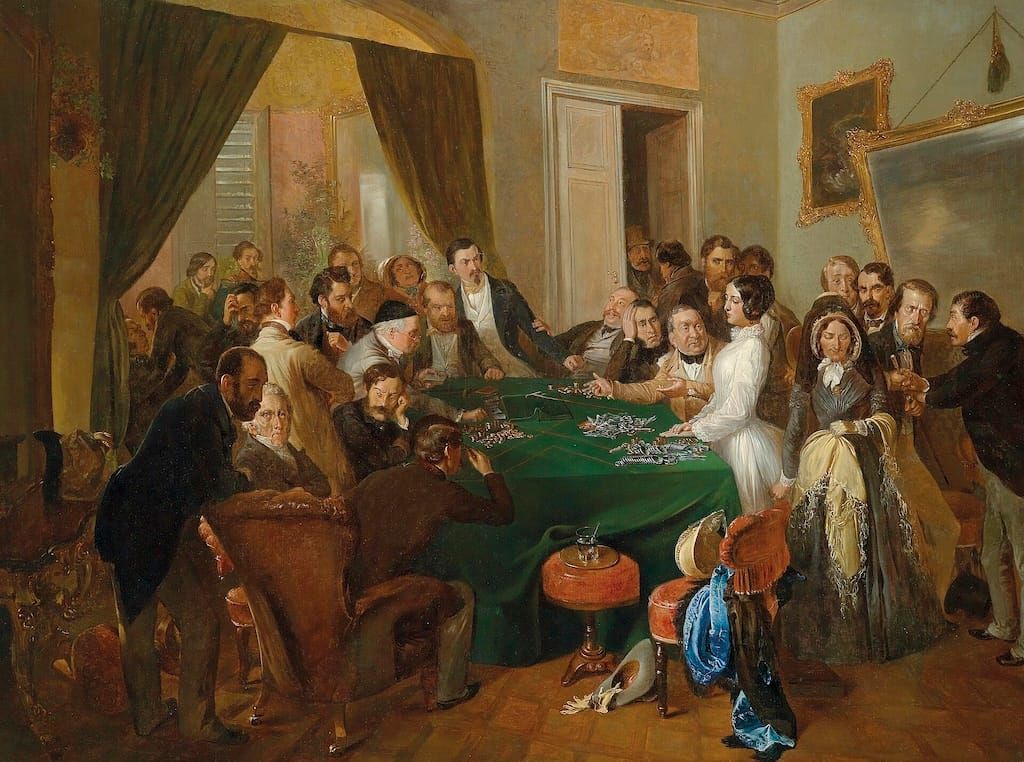
Opera can seem intimidating to newcomers. The grand sets, unfamiliar languages, and marathon runtimes often create the impression that opera belongs to another era entirely. Yet the greatest operas remain astonishingly alive. They are filled with heartbreak, comedy, jealousy, romance, political tension, and music capable of overwhelming even modern audiences in a matter of minutes.
For anyone curious about entering the world of opera, there are certain works that stand above the rest. These are the operas that have shaped musical history, inspired generations of composers, and continue to captivate audiences around the world. Whether one is attending a lavish production at the Royal Opera House or streaming a performance at home, these ten masterpieces offer an unforgettable introduction to the art form.
1. La Traviata — Passion and Tragedy
Few operas capture emotional vulnerability as powerfully as La Traviata. Composed by Giuseppe Verdi, the opera tells the story of Violetta, a Parisian courtesan who falls deeply in love with Alfredo, only to sacrifice her happiness because of societal expectations and family pressure.
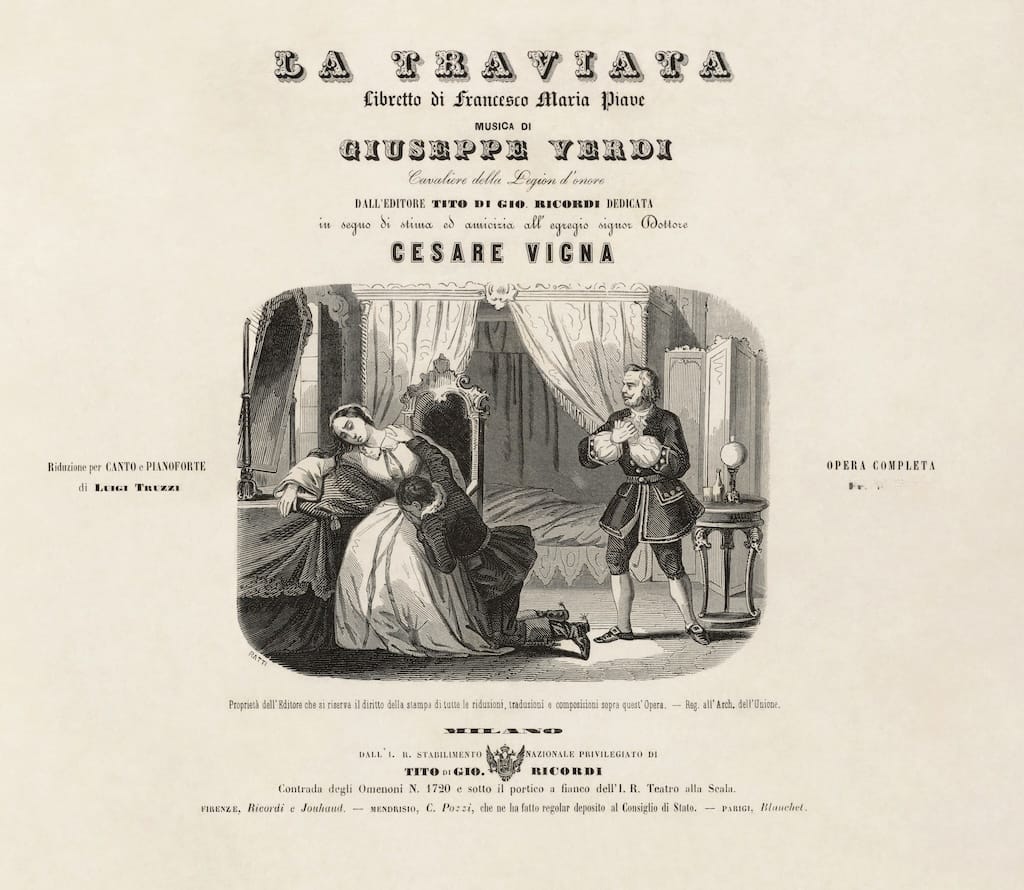
The music is devastatingly beautiful. From the sparkling brilliance of “Sempre libera” to the heartbreaking final act, Verdi creates a portrait of love and loss that feels timeless. Even audiences unfamiliar with opera often recognize melodies from this work.
What makes La Traviata endure is its humanity. Beneath the elegant costumes and lavish ballroom scenes lies a deeply personal story about mortality, sacrifice, and the cruelty of social judgment.
2. Carmen — Seduction and Freedom
If there is one opera that effortlessly bridges the gap between classical music and popular culture, it is Carmen. Written by Georges Bizet, the opera is packed with instantly recognizable music, from the “Habanera” to the “Toreador Song.”
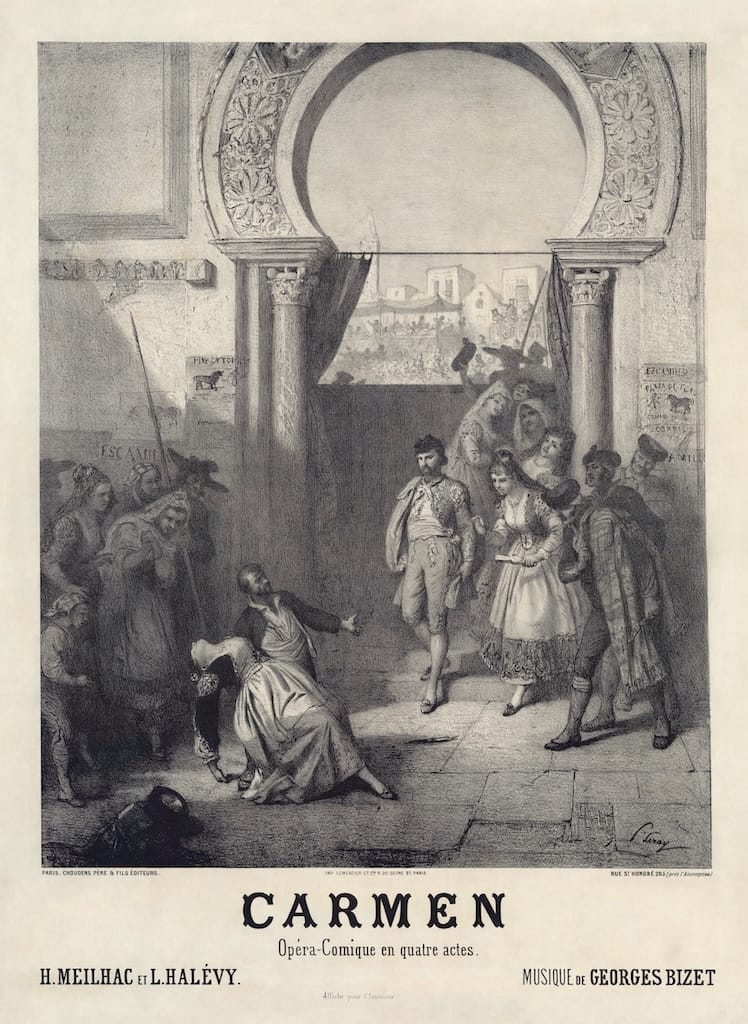
Set in Spain, the story follows Carmen, a fiercely independent woman who refuses to conform to society’s expectations. Her passionate relationship with Don José spirals toward obsession and tragedy.
Carmen remains revolutionary because its heroine refuses to be controlled. Carmen is charismatic, dangerous, and unapologetically free. Combined with Bizet’s vibrant orchestration and unforgettable melodies, the opera delivers both entertainment and psychological depth.
For first-time opera-goers, Carmen is often the perfect starting point because of its energy, accessibility, and dramatic pacing.
3. The Magic Flute — Fantasy and Enlightenment
Wolfgang Amadeus Mozart created many masterpieces, but The Magic Flute possesses a uniquely enchanting quality. Combining fairy-tale fantasy with philosophical symbolism, the opera moves effortlessly between comedy, romance, and spiritual allegory.
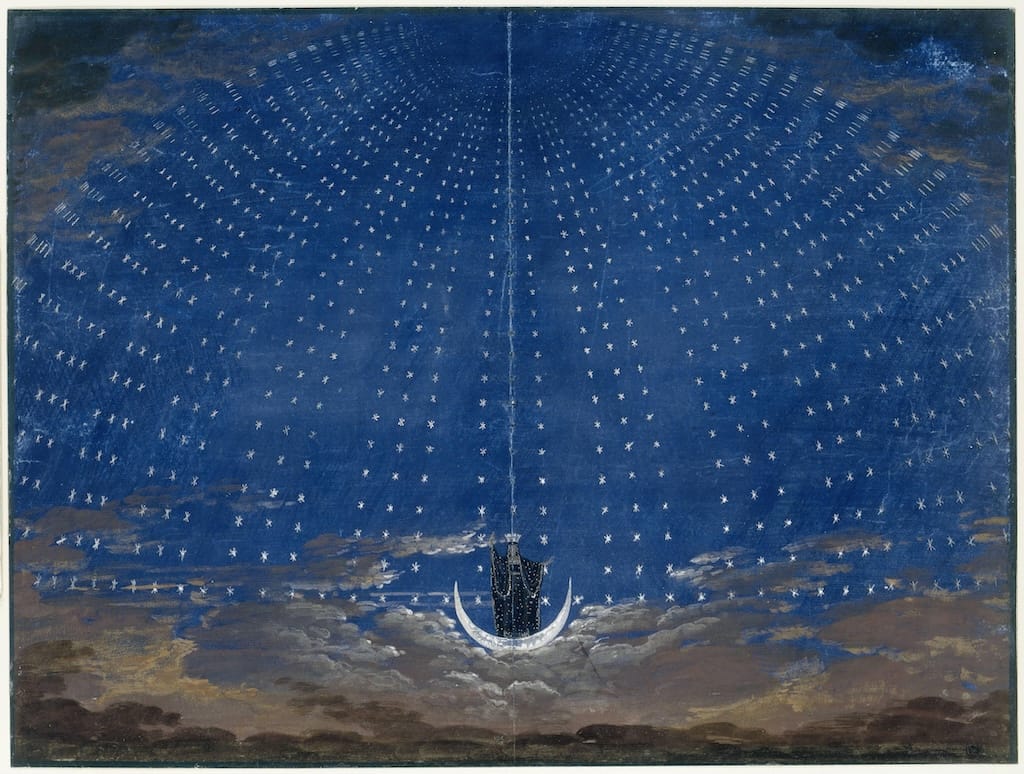
The story follows Prince Tamino and the bird-catcher Papageno as they navigate magical trials in search of wisdom and love. Along the way come dragons, enchanted instruments, mysterious temples, and the legendary Queen of the Night, whose dazzling aria remains one of opera’s greatest vocal challenges.
Despite its deeper themes, The Magic Flute never loses its sense of wonder. It is imaginative, humorous, and endlessly inventive, making it one of the most accessible operas ever written.
4. The Marriage of Figaro — Comedy with Sharp Edges
Another Mozart masterpiece, The Marriage of Figaro, is one of the finest comic operas ever composed. Yet beneath its humour lies surprisingly sharp social commentary.
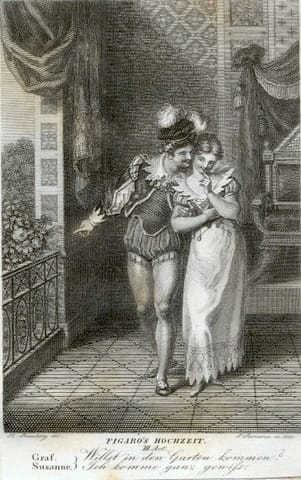
The opera revolves around a single chaotic day in which servants outwit aristocrats, lovers quarrel, disguises multiply, and secrets unravel. Mozart transforms what could have been a simple farce into an intricate exploration of class, desire, and human weakness.
What makes the opera extraordinary is Mozart’s ability to give emotional depth to every character. Even minor figures feel fully alive. The final act, in particular, moves from comedy toward genuine forgiveness and emotional reconciliation.
For audiences willing to embrace ensemble storytelling and rapid-fire theatrical energy, Figaro is endlessly rewarding.
5. Madama Butterfly — Beauty and Devastation
Giacomo Puccini had an unmatched gift for emotional storytelling, and Madama Butterfly remains one of his most heartbreaking achievements.
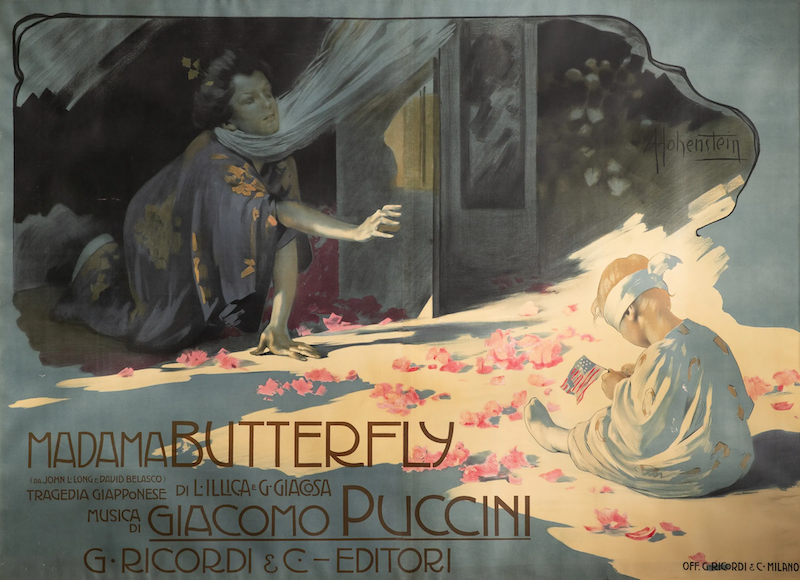
The opera tells the story of Cio-Cio-San, a young Japanese woman who marries an American naval officer, believing their union to be genuine. Her unwavering loyalty and hope eventually lead to tragedy.
Puccini’s score is lush, cinematic, and emotionally overwhelming. The famous aria “Un bel dì vedremo” captures Butterfly’s hope with unbearable tenderness.
Though modern productions often grapple with the opera’s cultural and historical complexities, its emotional impact remains undeniable. At its core, Madama Butterfly is a portrait of innocence destroyed by betrayal.
6. Tosca — Political Thriller in Music
Unlike many operas rooted in mythology or fantasy, Tosca feels remarkably immediate and cinematic. Set in politically turbulent Rome, the opera combines romance, corruption, torture, murder, and betrayal within a tightly structured narrative.
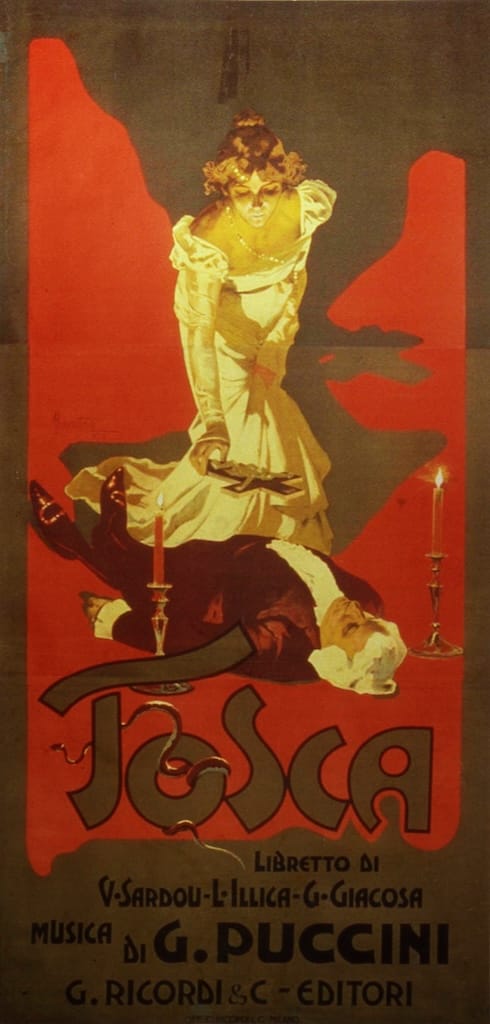
The heroine, Floria Tosca, is one of opera’s great dramatic roles. Fiercely emotional and deeply loyal, she becomes trapped in a deadly confrontation with the sadistic police chief Scarpia.
Puccini wastes no time. The opera moves with extraordinary pace and intensity, making it ideal for audiences who enjoy psychological drama and suspense.
The aria “Vissi d’arte” remains one of the most moving moments in all opera, expressing Tosca’s despair with devastating simplicity.
7. La Bohème — Youth, Love, and Loss
Another Puccini masterpiece, La Bohème captures the fleeting beauty of youth better than almost any opera ever written.
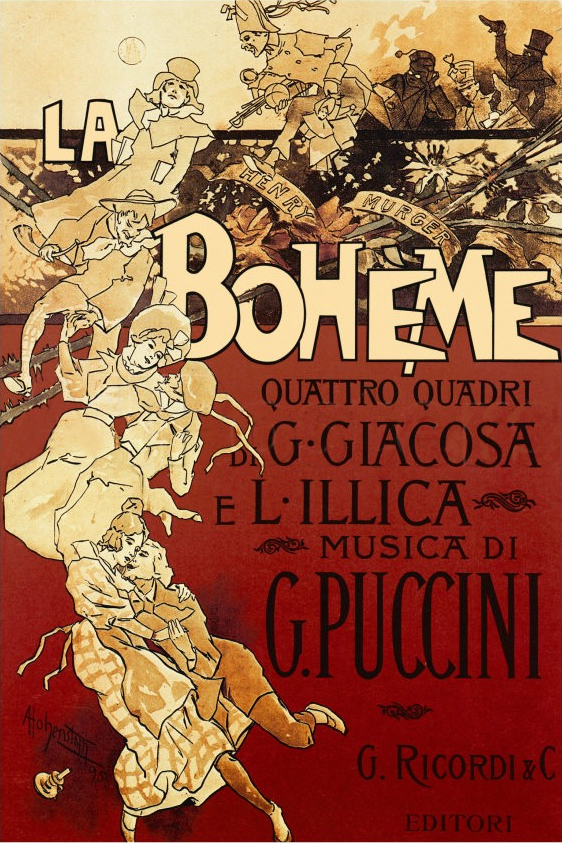
Set among struggling artists in Paris, the opera follows the romance between Rodolfo and Mimì, alongside the friendships and hardships of bohemian life. Unlike grand historical epics, La Bohème focuses on ordinary people and intimate emotions.
Its realism makes the tragedy especially painful. Puccini’s music mirrors the excitement of young love while quietly foreshadowing heartbreak.
Even those unfamiliar with opera often find themselves emotionally devastated by the final act. Few works portray love and mortality with such sincerity.
8. Don Giovanni — Darkness Beneath the Elegance
Part comedy, part morality tale, Don Giovanni explores the destructive consequences of arrogance and desire.
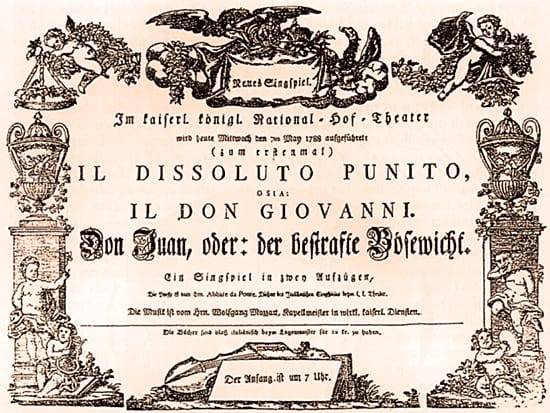
Mozart’s infamous antihero seduces, deceives, manipulates, and ultimately faces supernatural judgment. Yet the opera resists simple moral categories. Don Giovanni is both monstrous and magnetic, making him one of opera’s most fascinating characters.
Musically, the opera is astonishingly rich. Mozart balances humour with menace, elegance with violence, and charm with genuine terror. The final scene, in which the statue of the Commendatore drags Don Giovanni toward damnation, remains one of opera’s most electrifying moments.
9. Aida — Spectacle and Intimacy
Aida is often associated with grand spectacle: triumphal marches, massive choruses, and ancient Egyptian settings. Yet Verdi’s masterpiece is ultimately an intimate story about impossible love.

Caught between political duty and personal desire, Aida and Radamès struggle within a world defined by war and power. Verdi balances enormous public scenes with moments of startling emotional intimacy.
The famous “Triumphal March” may be iconic, but the opera’s true strength lies in its quieter moments of longing and despair. In the final act, Verdi strips away the grandeur to reveal profound emotional vulnerability.
10. The Ring Cycle — Opera at Its Most Ambitious
No list of essential operas would be complete without Richard Wagner. His monumental Ring Cycle consists of four interconnected operas inspired by mythology, power struggles, greed, and the downfall of gods.
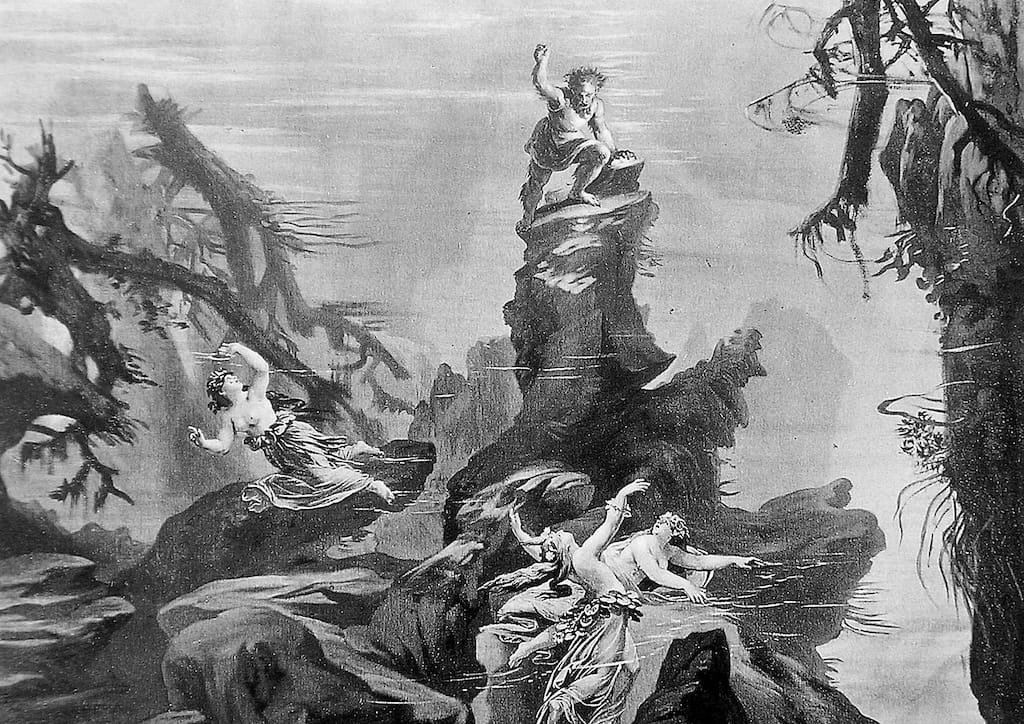
Experiencing the entire cycle is a major commitment, often spanning around fifteen hours of music across several evenings. Yet for many opera lovers, it is the ultimate artistic experience.
Wagner revolutionized opera through continuous musical storytelling, massive orchestration, and the use of leitmotifs — recurring musical themes associated with characters and ideas.
While newcomers may find Wagner overwhelming at first, the emotional and philosophical scope of the Ring is unlike anything else in classical music.
Why These Operas Still Matter
Opera survives not because it is old, but because it continues to speak to universal emotions. Love, jealousy, ambition, betrayal, hope, and mortality remain as relevant today as they were centuries ago. These ten operas represent different styles, eras, and artistic visions, yet each demonstrates the extraordinary power of music and theatre combined. They remind audiences that opera is not merely a museum piece, but a living art form capable of overwhelming emotional impact.