Exploring Chopin’s Raindrop Prelude, Op. 28 No. 15
Through its famous repeated note, shifting harmonies and dramatic contrasts, Chopin’s Raindrop Prelude traces an emotional path from serenity to turbulence and back again, revealing the composer’s extraordinary ability to create profound expression from remarkably simple musical material.

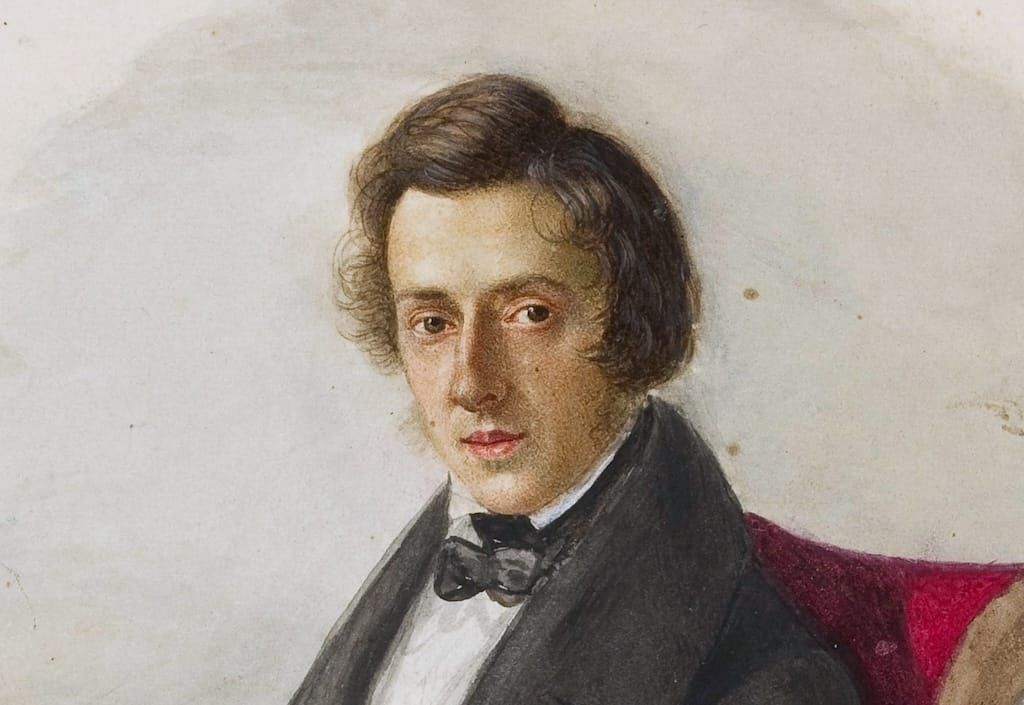
Frédéric Chopin (1810–1849) remains one of the most influential composers of the Romantic era. He made the piano his exclusive instrument for composing music that narrated stories through his art. His compositions reveal personal conflicts, emotional states, and introspective thoughts through unusually restricted musical elements.
The Prelude in D-flat Major, Op. 28 No. 15 stands as one of his most famous compositions which musicians refer to as the Raindrop Prelude. The piece demonstrates Romantic tone painting most vividly through its emotional depiction of rainfall not through actual rain sound production.
Prelude Introduction and Tonal Design
The Raindrop Prelude follows a clear ternary (A–B–A) structure.
The musical work begins in D-flat major and progresses to C-sharp minor before returning to the initial key. The piece relies on its tonal progression as a fundamental element for its composition.
The prelude features an impressive musical element through its continuous D-flat note which continues to sound throughout the entire composition. The central section uses repeated notes which create an ostinato pattern that sounds like C-sharp. The theme functions as the piece's central element which connects all parts of the composition through its continuous sound. The track includes repeated musical elements which create a sound that resembles raindrops falling and gave the piece its name.
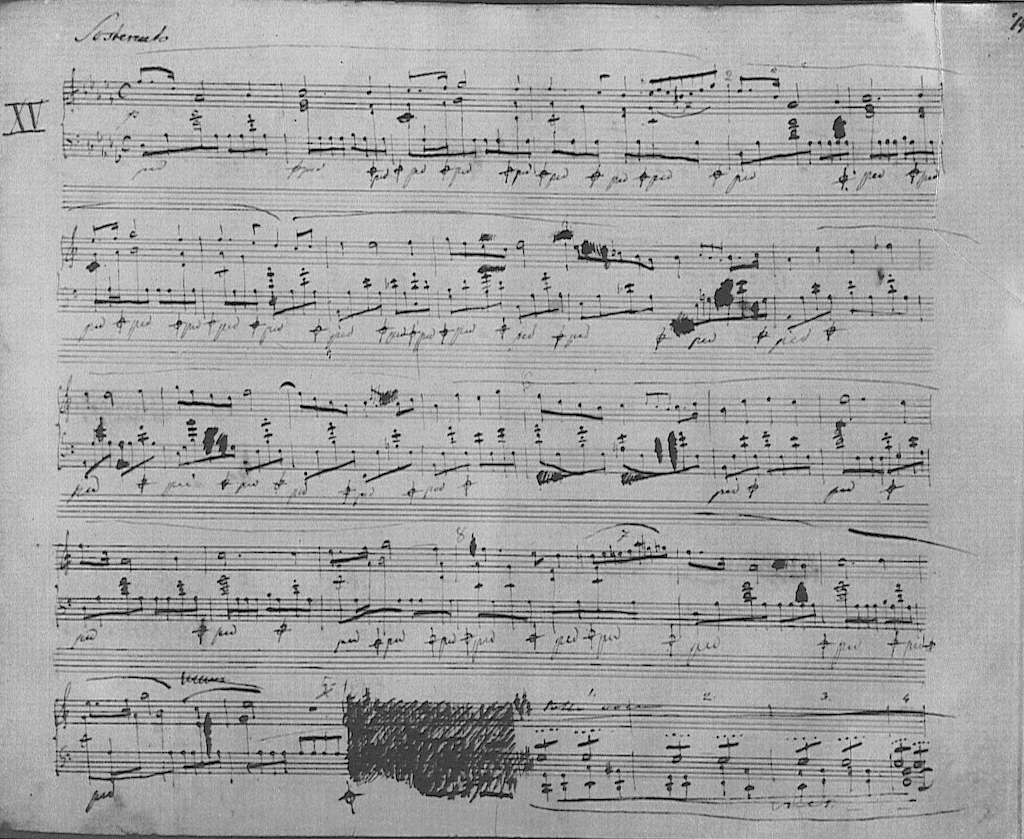
The compositional element gains strength through its unchanging note which brings forth different meanings. The surrounding harmonic context of the repeated pitch determines its emotional quality.
The First Stage: Gentle Rain and Nostalgia
The left hand plays a D-flat note in constant rhythm which creates a peaceful metronomic pattern during the opening section. The rain falls softly because it matches our natural feeling of rain. The dramatic moment has not yet occurred. The atmosphere remains gentle with its elements kept under control.
The right hand plays a beautiful singing melody above this section. The D-flat major scale produces warm bright sounds while the melodic pattern contains a hidden sadness. The sound creates a reflective atmosphere which does not achieve total peace. The experience resembles watching rain from a window because you feel both calm and deep thoughts.
The section achieves its most powerful effect through its minimal expression. The rain here is like a drizzle. The repeated note establishes a stable musical foundation while the raindrop rhythm creates a consistent beat that leads to emotional movements in the melody which makes me feel like I am observing rain through a window.
The Second Stage: Storm and Harmonic Darkness
The middle section changes the entire musical mood. The music progresses from D-flat major to C-sharp minor through enharmonic reinterpretation techniques. The continuous note pattern from the previous section remains in place but now has a different sound. The sound which once appeared fragile now carries a heavier weight.
The right-hand texture becomes denser through adding octaves and full chords which replace the previous two-note combination. The music performs through the piano's lower range while the dynamics increase. The sound becomes more intense and turns into a darker version of itself.
The weather changes from soft rain into a violent storm. The music creates a heavy sound that builds crescendos to create tension which feels as if the wind is blowing harder and tree leaves are touching each other. The repeated pitch pattern which was previously comforting now feels unending and harsh. The storming rain has entirely taken over the area. Chopin achieves this dramatic shift without abandoning the core motif, showing how harmony and texture alone can redefine meaning.
The Final Stage: Return and Reflection
The introduction of D-flat major material brings back the opening music which now sounds different. The same notes are played but the audience has already gone through the middle section's intense experience.
The present calm state establishes a deep level of peace which resembles taking a big breath after the rain stops and everything beautiful comes into view. Now seeing the birds come out of hiding and the last drops of rain falling on the leaves and slipping away into puddles.
The repeated note reaches its quietest point at the end of the piece. The piece ends with a soft sound as the texture becomes lighter. The atmosphere creates a feeling that rain falls less while the storm moves away and everything becomes completely quiet.
Chopin does not simply return to where he started. Instead of that he finishes an emotional journey which includes both his personal emotional development and the entire cycle of rain.
Performance and Interpretation
The Raindrop Prelude challenges performers to find the right balance while maintaining control over their playing. The left hand must keep playing the repeated note while avoiding any sounds that resemble artificial mechanical movements. The continuous rubato needs to be maintained because excess use creates breaks in the music when less use makes the piece sound stationary.
The right-hand melody needs to be shaped carefully so it can naturally sing above the ostinato pattern. The increasing density and dynamic power in the middle section must be handled with care to prevent any harsh sounds from coming through while still showing intensity.
Vladimir Horowitz gives a powerful interpretation that stands among the other main performances. His controlled pace at the section start shows structural design while his strong storm sequence delivery makes the C-sharp minor section more dramatic. His interpretation of the work reveals its structural elements yet maintains the musical piece's ability to deliver emotional experiences.
Conclusion
Chopin’s Raindrop Prelude demonstrates how a simple repeated note can serve as the foundation for profound emotional storytelling. Through tonal shifts, dynamic contrast, and careful textural development, Chopin transforms minimal material into a complete expressive journey.
The musical work shows how people experience rain from its initial quietness through its powerful downpour until they reach a peaceful state. Through his work Chopin demonstrates that even the simplest musical element can carry great emotional weight when it receives creative and sensitive artistic treatment.