Why Frederic Chopin Is Called the Poet of the Piano
Frédéric Chopin transformed the piano into a voice of intimacy and lyricism. Through nuance, rubato, and emotional restraint, his music speaks like poetry, revealing inner worlds rather than outward spectacle.


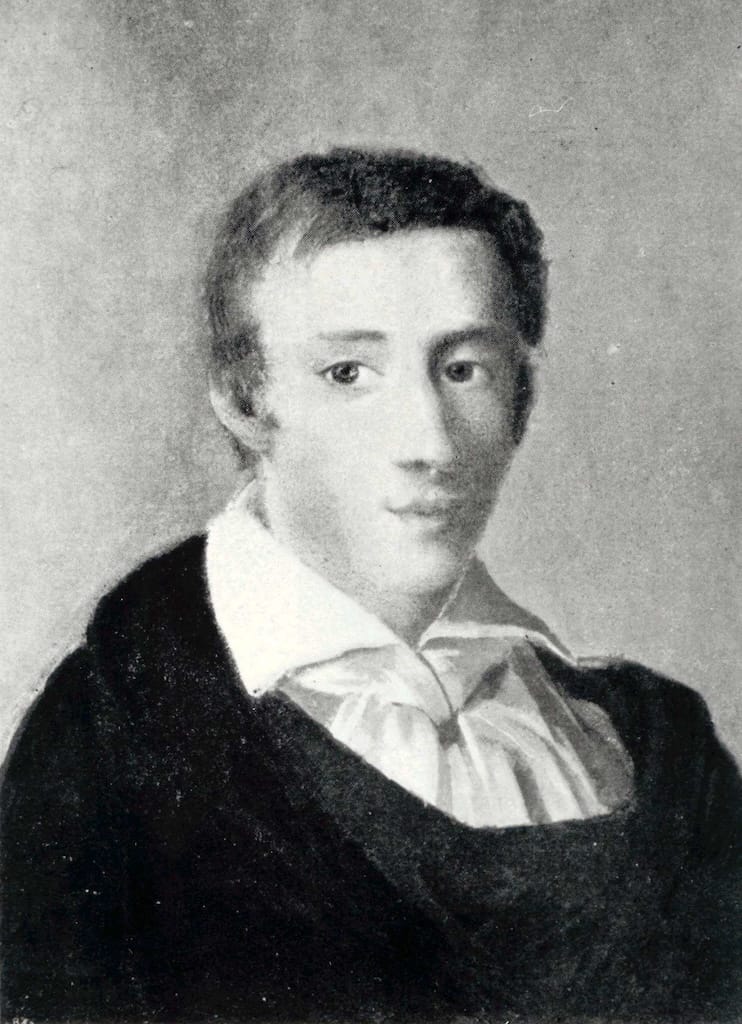
Few composers in the history of Western music are so closely associated with a single instrument as Frédéric Chopin is with the piano. From the earliest years of his career to his final compositions, Chopin wrote almost exclusively for the keyboard, reshaping its expressive possibilities in ways that continue to influence pianists and composers today. Yet his reputation rests on more than technical innovation or idiomatic writing. Chopin is often described as the poet of the piano, a title that speaks to the unique emotional, lyrical, and intimate qualities of his music. To understand why this description has endured, one must look beyond biography and virtuosity and consider how Chopin transformed the piano into a vehicle for introspection, nuance, and poetic imagination.
A Composer of Inner Worlds
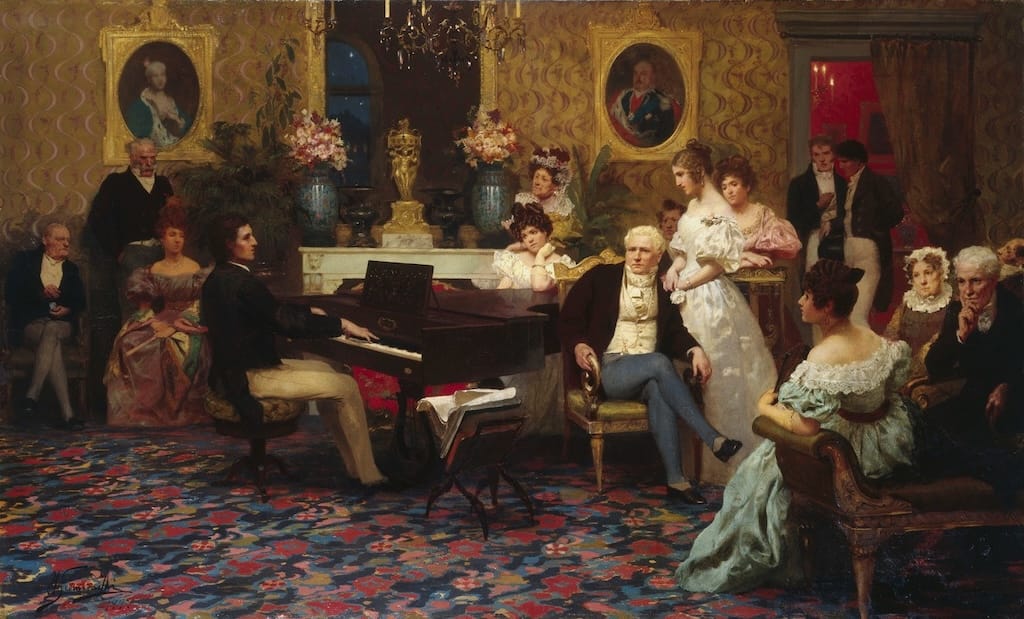
Unlike many of his contemporaries, Chopin was not drawn to large orchestral forms or public spectacle. He preferred the salon to the concert hall, intimate spaces where subtlety could be fully appreciated. This preference shaped not only how he performed but how he composed. His music rarely seeks to overwhelm. Instead, it invites the listener into a private emotional world.
Chopin’s piano works often feel like confessions rather than declarations. Even in pieces marked by brilliance or drama, there is an inward quality, as though the music is thinking aloud. This sense of interiority is central to the idea of musical poetry. Like a lyric poem, Chopin’s music compresses emotion into refined, concentrated gestures, where meaning is suggested rather than stated outright.
The Singing Piano
One of Chopin’s most radical achievements was his ability to make the piano sing. At a time when the instrument was often treated percussively, Chopin developed a style that emphasised legato touch, melodic shaping, and vocal phrasing. He famously urged his students to listen to great singers and to imagine breathing through the keyboard.
This vocal influence is especially evident in his nocturnes, where long, cantabile melodies float over gently undulating accompaniments. These works do not merely imitate song. They translate vocal expressiveness into pianistic terms, using tone colour, timing, and subtle inflection to convey emotion.
The result is music that feels natural and organic, as if it arises spontaneously from feeling rather than calculation. This quality is one of the hallmarks of poetry, where rhythm and sound serve expressive intent rather than formal rigidity.
Rubato and the Freedom of Time
Another essential element of Chopin’s poetic language is his use of rubato. While tempo flexibility existed before Chopin, he refined it into a deeply expressive tool. In his teaching, he emphasised that the left hand should maintain a steady pulse while the right hand enjoyed rhythmic freedom.
This approach mirrors poetic recitation, where metre provides structure but phrasing breathes freely. Chopin’s rubato allows melodies to linger, sigh, or surge forward, creating a sense of emotional immediacy. Time in his music feels elastic, shaped by feeling rather than mechanical regularity.
For performers, this presents both an opportunity and a challenge. Too little rubato can sound rigid, while too much can distort the line. When handled with sensitivity, however, it gives Chopin’s music its distinctive sense of intimacy and expressive depth.
Miniatures with Monumental Impact
Chopin rarely wrote symphonies or large scale programmatic works. Instead, he favoured short forms such as preludes, mazurkas, nocturnes, and waltzes. These pieces often last only a few minutes, yet they contain remarkable emotional and structural richness.
Like poems, these miniatures distil experience into concise forms. A single harmonic shift or melodic turn can suggest longing, nostalgia, or quiet despair. Chopin’s preludes, for instance, range from fleeting sketches to deeply introspective statements, each creating a complete emotional world within a compact frame.
This ability to say much with little is a defining poetic trait. Chopin trusted the listener’s imagination, allowing suggestion and ambiguity to play an essential role.
National Identity and Emotional Memory
Chopin’s music is deeply rooted in his Polish identity, particularly in his mazurkas and polonaises. Yet these works are not straightforward folk transcriptions. Instead, they are stylised reflections, infused with personal memory and emotional distance.
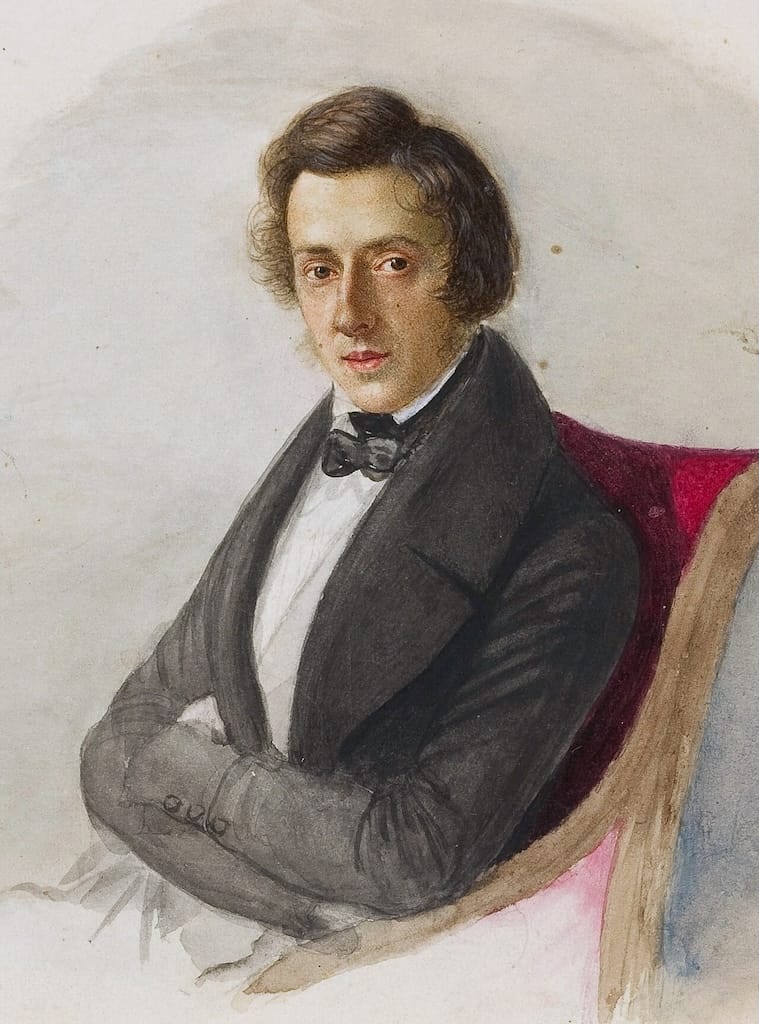
Living much of his adult life away from Poland, Chopin transformed national dances into vehicles for longing and remembrance. Rhythmic irregularities, modal inflections, and unexpected accents give these pieces a bittersweet quality, as though joy and sorrow coexist.
This layering of emotion mirrors poetic nostalgia, where the past is recalled not as it was, but as it is felt. Chopin’s Polish works speak not only of place, but of exile, identity, and inner belonging.
Harmonic Imagination and Colour
Chopin’s harmonic language was strikingly advanced for its time. He explored chromaticism, unexpected modulations, and rich inner voices with extraordinary finesse. Yet his harmonic daring never feels academic. It serves expressive ends, colouring emotion rather than drawing attention to itself.
In many works, harmony functions like imagery in poetry. A sudden shift to a distant key can suggest emotional rupture, while unresolved dissonance can convey yearning or uncertainty. These harmonic choices deepen the expressive narrative without requiring explicit explanation.
Later composers, from Debussy to Scriabin, would draw heavily on Chopin’s harmonic innovations. His influence on the language of Romantic and post Romantic music cannot be overstated.
The Performer as Interpreter
Chopin’s music places enormous responsibility on the performer. The notes on the page are precise, yet much of the meaning lies between them. Touch, timing, pedalling, and voicing all shape the musical message.
This interpretative openness is another reason Chopin’s music is often described as poetic. Just as a poem can be read in multiple ways, Chopin’s works invite personal interpretation. Each performer must find a balance between fidelity to the score and individual expression.
This intimacy creates a special bond between composer, performer, and listener. When successful, it feels less like a display and more like a shared emotional experience.
Intimacy Rather Than Spectacle
Although Chopin wrote works of formidable technical difficulty, virtuosity is never an end in itself. Even in his most brilliant études and scherzos, technical demands serve expressive goals. Passagework shimmers, leaps sing, and complexity enhances drama rather than overwhelming it.
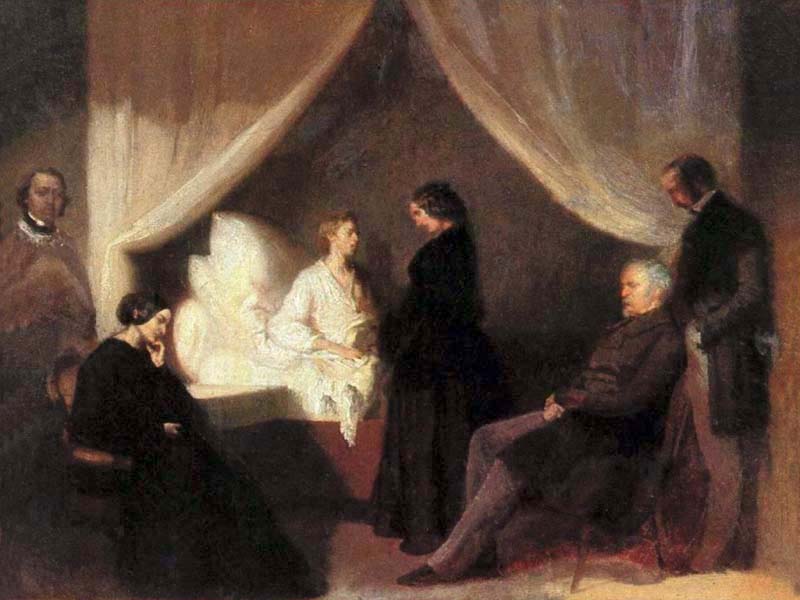
This restraint distinguishes Chopin from composers who embraced the theatrical aspects of Romanticism. His art is not about conquest or grandeur, but about refinement, vulnerability, and emotional truth. The poet of the piano does not shout. He whispers, confides, and reflects.
A Lasting Poetic Legacy
The description of Chopin as the poet of the piano has endured because it captures something essential about his music. He transformed the instrument into a voice capable of subtle emotional speech. He valued nuance over volume, inwardness over spectacle, and suggestion over declaration.
For pianists, engaging with Chopin is both technically demanding and emotionally revealing. His music asks for sensitivity, imagination, and honesty. It rewards those who listen deeply, both to the score and to themselves.
In an age that often prizes speed and brilliance, Chopin’s music remains a reminder of the power of restraint and depth. Like great poetry, it continues to speak across centuries, not because it explains everything, but because it leaves space for feeling. That is why Frédéric Chopin remains, unmistakably and enduringly, the poet of the piano.