What Is an Organ? Understanding One of Music’s Most Powerful Instruments
Often called the “king of instruments,” the organ combines keyboards, pedals and thousands of pipes to create one of the richest sound worlds in music. Understanding how it works reveals why it has fascinated composers and audiences for centuries.

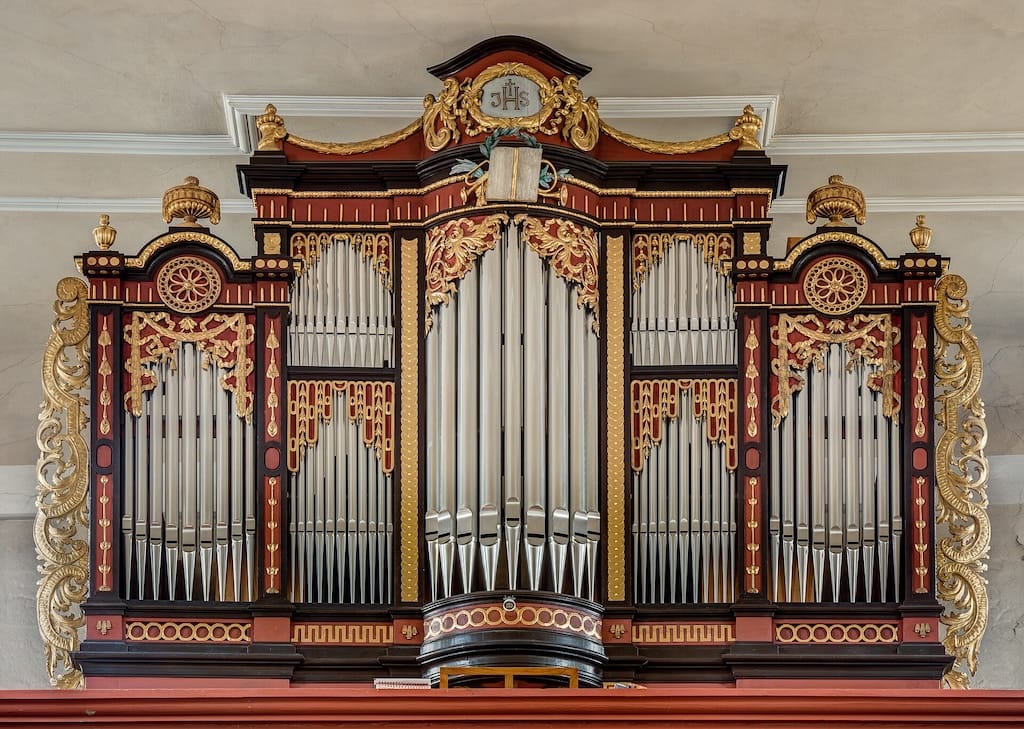
Among all musical instruments, few possess the scale, complexity and sonic power of the organ. Capable of producing sounds that range from the softest whisper to an overwhelming roar, the organ has long occupied a unique place in Western musical culture. For centuries it has been associated with churches and cathedrals, yet it also plays an important role in concert halls and recital spaces.
Often described as the “king of instruments,” the organ combines elements of keyboard performance, wind control and mechanical engineering. Its vast palette of sounds allows a single performer to create the impression of an entire ensemble. Understanding how the instrument works reveals why it has fascinated musicians and listeners for generations.
A Brief History of the Organ
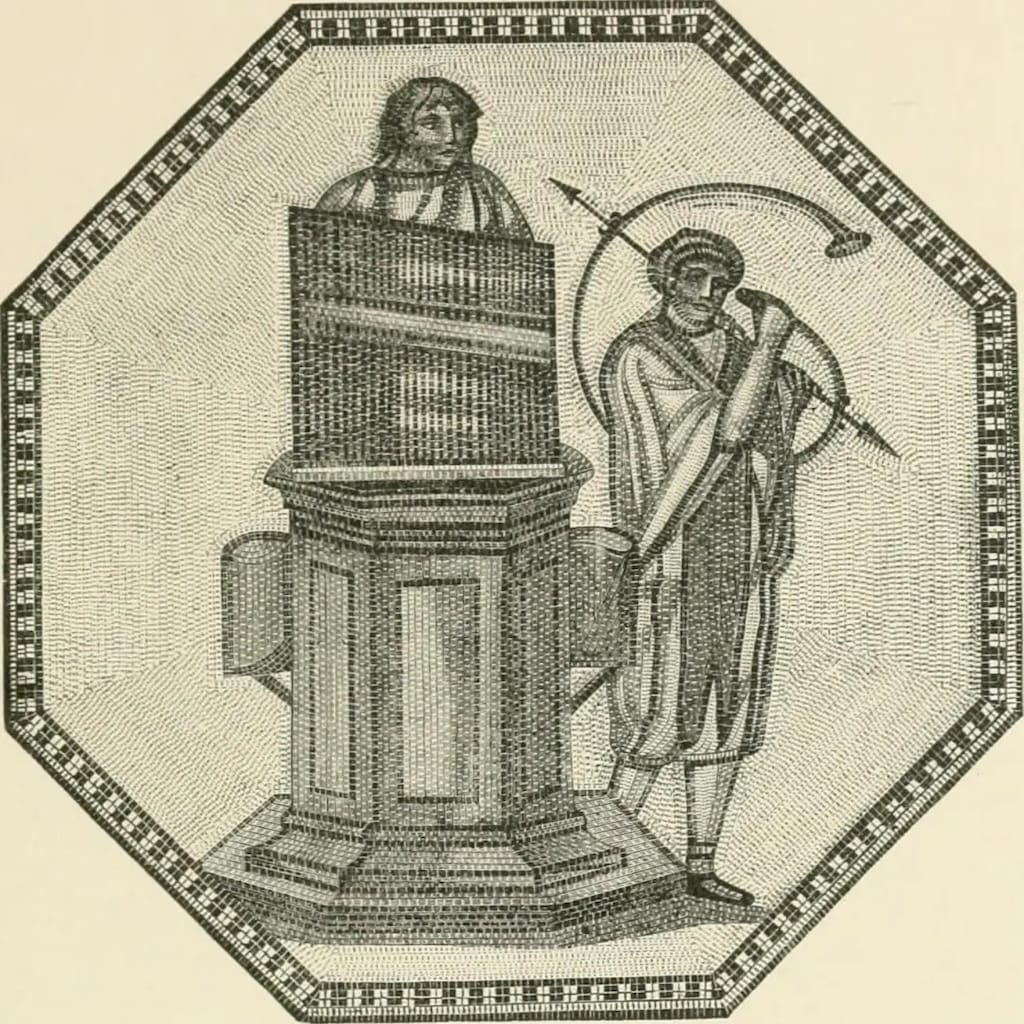
The origins of the organ can be traced back more than two thousand years. The earliest known form of the instrument was the hydraulis, developed in ancient Greece during the third century BCE. This early organ used water pressure to regulate airflow through pipes, producing sustained tones.
Over time the instrument evolved significantly. By the Middle Ages, pipe organs had become central to musical life in European churches. As cathedrals grew larger and architectural styles became more elaborate, organs also expanded in size and complexity.
During the Renaissance and Baroque periods, organ building reached new levels of sophistication. Instruments featured multiple keyboards, large collections of pipes and intricate mechanical systems that allowed performers to control different sound combinations. The music of composers such as Johann Sebastian Bach demonstrates the remarkable expressive possibilities of the instrument.
In the nineteenth and twentieth centuries, technological innovations introduced electric and electronic organs, making the instrument more accessible outside traditional church settings. Today organs can be found in cathedrals, concert halls, theatres and even digital instruments used for practice and performance.
How the Organ Produces Sound
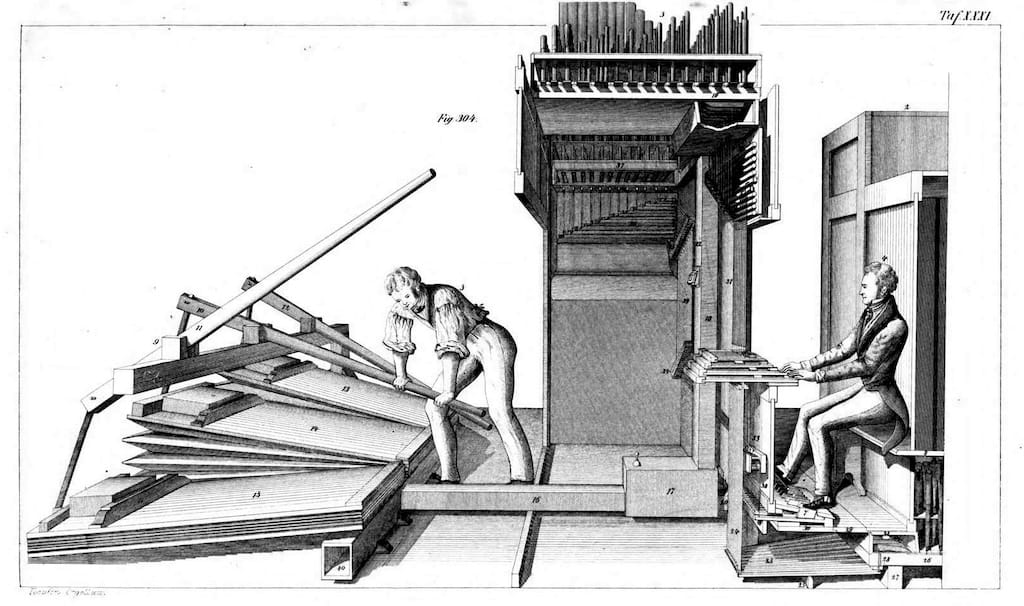
At its core, the organ is a wind instrument controlled through keyboards and pedals. Unlike a piano, where sound is produced by striking strings with hammers, the organ creates sound by directing air through pipes.
Air is supplied to the instrument by bellows or electric blowers. When a key is pressed, a valve opens and allows air to flow into a specific pipe. Each pipe produces a particular pitch, much like a flute or recorder.
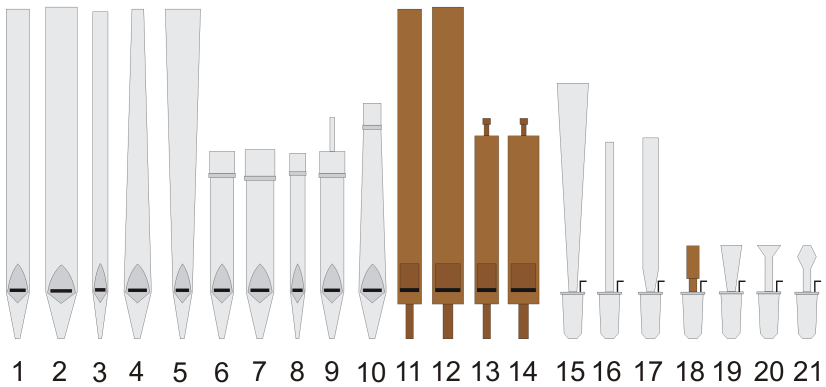
Organs contain many pipes of different lengths and shapes. Short pipes produce higher pitches, while longer pipes produce lower ones. By organising pipes into sets called stops, organ builders create a wide variety of tonal colours.
Some pipes imitate orchestral instruments such as flutes or trumpets, while others produce unique organ sounds that cannot be replicated elsewhere.
Keyboards, Pedals and Stops
One of the most distinctive features of the organ is its multiple keyboards. These keyboards are known as manuals, and large organs often have two, three or even four manuals stacked vertically.
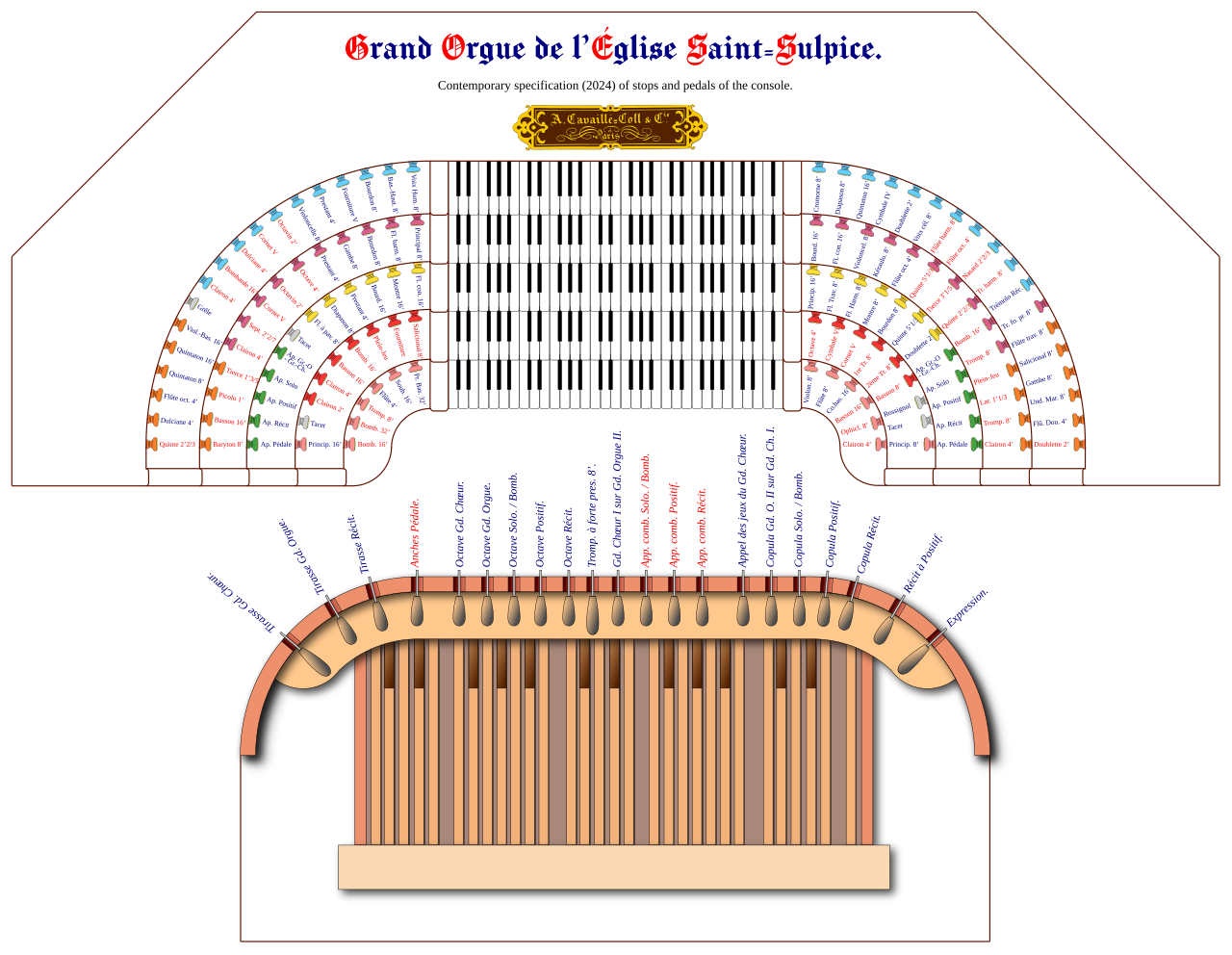
Each manual controls a different group of pipes, allowing the organist to switch between contrasting sounds. This arrangement makes it possible to perform complex music involving several layers of sound.
In addition to the manuals, organs also include a pedalboard, played with the feet. The pedalboard typically produces the lowest notes and provides the foundation of the musical texture.
Perhaps the most fascinating aspect of organ performance is the use of stops. Stops allow the organist to select which sets of pipes will sound when a key is pressed. By combining different stops, performers can create a vast range of tonal colours, from delicate solo voices to full, majestic sonorities.
The Organ in Church and Concert Music
For centuries the organ has been closely associated with religious music. In many churches, it supports congregational singing and accompanies choirs. Its powerful sound makes it ideal for filling large architectural spaces.
At the same time, the organ has developed an extensive solo repertoire. During the Baroque period, composers such as Johann Sebastian Bach wrote some of the most celebrated organ works in Western music. His preludes, fugues and chorale settings remain central to the organ tradition.
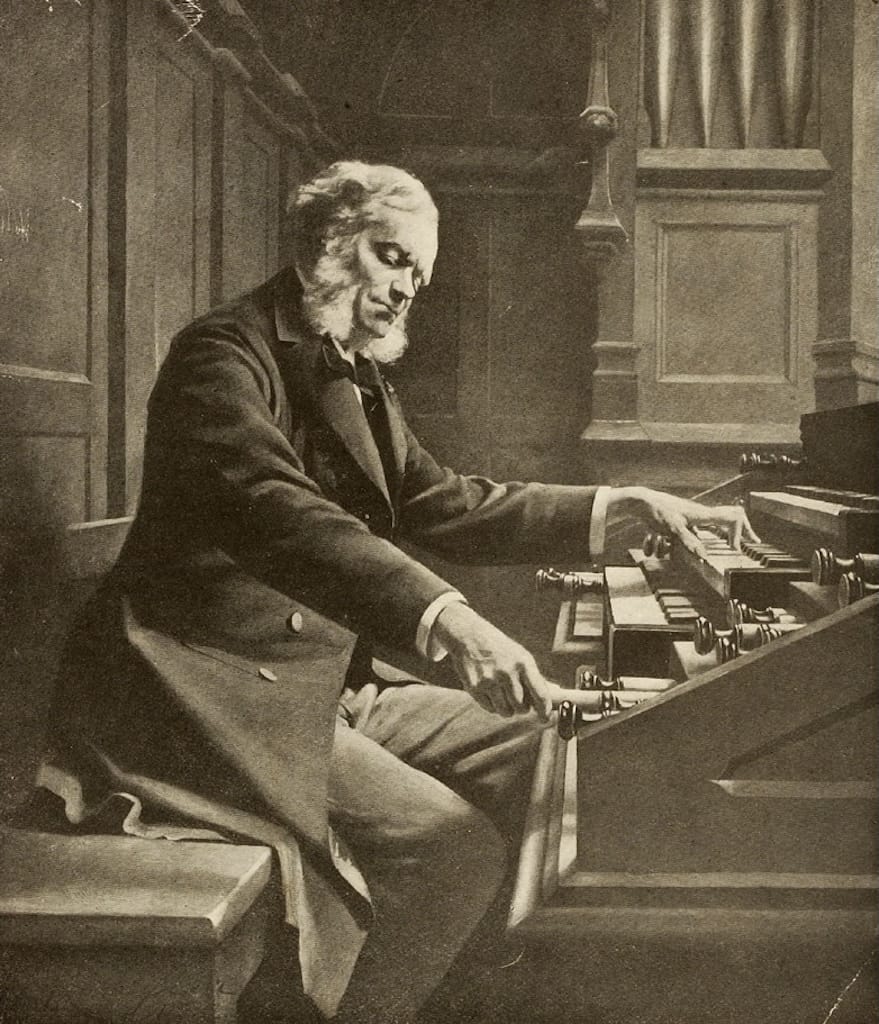
Later composers continued to expand the instrument’s possibilities. In France, composers like César Franck and Charles-Marie Widor created large-scale symphonic works for organ that exploited the rich colours of nineteenth-century instruments.
Today the organ remains a vibrant concert instrument, with performers presenting recitals that showcase both historic and contemporary repertoire.
Why the Organ Is Called the “King of Instruments”
The organ’s reputation as the “king of instruments” arises from several unique characteristics. First, its enormous dynamic range allows it to produce both extremely soft and extraordinarily powerful sounds.
Second, the instrument offers a remarkable variety of timbres. Through the combination of stops, a single organist can evoke sounds that resemble woodwinds, brass instruments or entire orchestral textures.
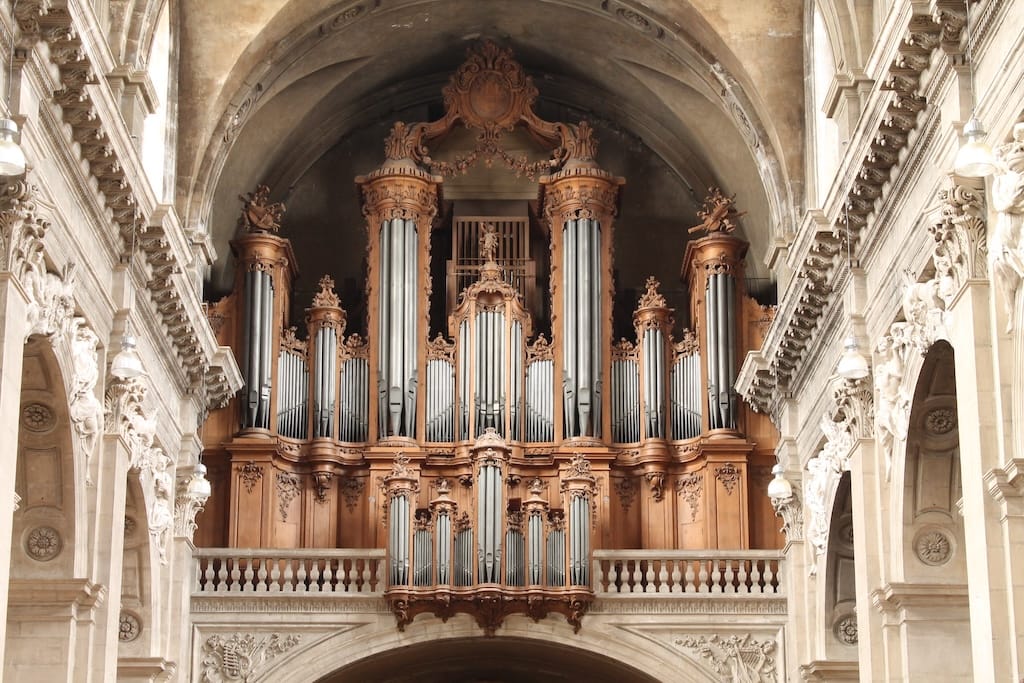
Finally, the organ’s architectural scale contributes to its grandeur. Large cathedral organs may contain thousands of pipes, some of which extend several metres in length. These instruments are not only musical devices but also impressive feats of engineering and design.
Listening to the Organ
For listeners unfamiliar with the instrument, organ music can initially seem overwhelming. Yet attentive listening reveals the subtlety and beauty of its sound world.
One might begin by noticing the deep foundation provided by the pedal notes, which often anchor the harmony. Above this foundation, the manuals create melodic lines and harmonic textures. Changes in stops introduce new colours and contrasts throughout a piece.
Experiencing organ music in a large acoustic space can be particularly powerful. The resonance of a cathedral or concert hall allows the instrument’s sound to bloom fully, surrounding the listener with waves of tone.
An Instrument of Endless Possibilities
The organ stands apart from most other musical instruments because of its scale, versatility and historical significance. It is at once a keyboard instrument, a wind instrument and a complex mechanical system.
Across centuries, composers and performers have explored its immense expressive range. From the intricate counterpoint of Baroque music to the dramatic sonorities of Romantic works, the organ continues to inspire musicians and audiences alike.
Understanding how the instrument works helps us appreciate not only its technical complexity but also the extraordinary musical worlds it can create.