Understanding Classical Music Genres: Baroque, Classical, Romantic and Modern
Classical music has evolved through four major periods, each with its own style, sound and artistic purpose. Understanding the Baroque, Classical, Romantic and Modern eras helps listeners recognise musical language and appreciate how composers shaped this rich tradition.

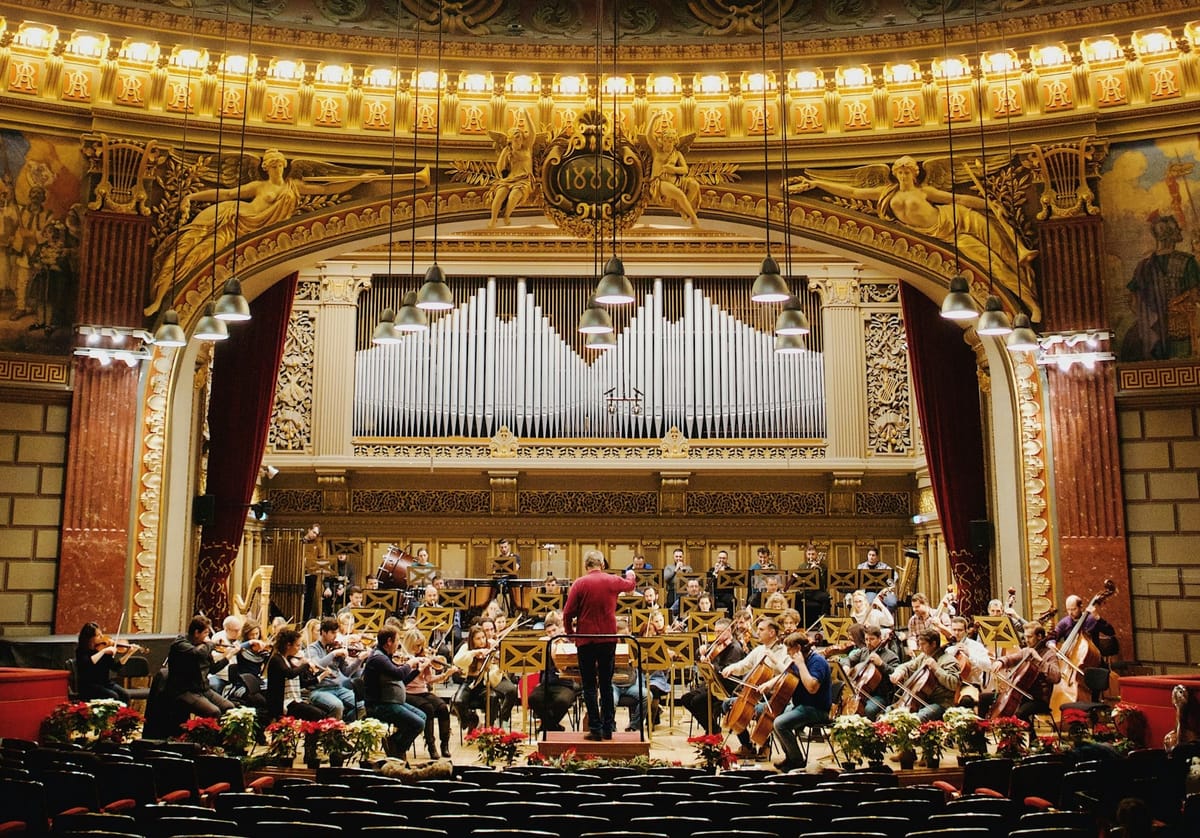
Classical music spans more than four centuries of continuous evolution. It is a tradition shaped by shifting cultures, technologies, philosophies and artistic ambitions. Although audiences often use the term “classical music” to describe the entire tradition, musicians and historians divide the repertoire into distinct periods. Each period reflects its own musical language, characteristic forms and performance practices. Understanding these genres helps listeners recognise what they are hearing, place composers in context and appreciate how musical ideas have grown and transformed from one era to the next.
This article explores four central periods of Western art music. These are the Baroque, Classical, Romantic and Modern eras. Each period offers a unique sound world and a different approach to melody, harmony, rhythm and expression. By exploring them side by side, we can better understand how classical music evolved into the diverse landscape we know today.
The Baroque Era
The Baroque period roughly spans from 1600 to 1750. It was a time of experimentation, technical brilliance and expressive intensity. Baroque composers developed new forms, new instrumental combinations and new harmonic systems that shaped all later Western music. The era saw the rise of opera, the birth of the modern orchestra and the establishment of tonal harmony based on major and minor keys.
Baroque music is characterised by energetic rhythms, clear bass lines and a rich sense of motion. The basso continuo plays a crucial role in Baroque texture. It consists of a bass instrument such as cello or bassoon, supported by a chordal instrument such as harpsichord, organ or lute. Together they create the harmonic foundation over which melodies unfold. This grounding gives Baroque music its sense of drive and structure.
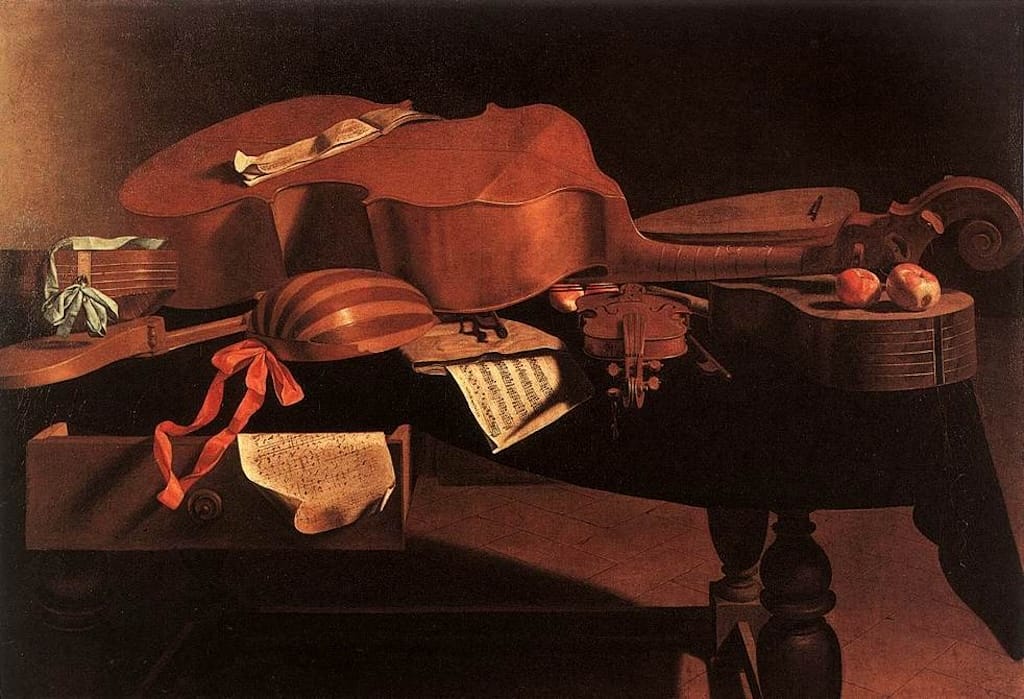
Another hallmark is ornamentation. Performers were expected to embellish melodies with trills, turns and improvised decorations. This makes Baroque performance practice highly expressive and often virtuosic. Works by Bach, Handel, Vivaldi and Purcell reveal how ornamentation can enrich a line and bring music to life.
The Baroque era also defined many forms that remain central today. The concerto pits a soloist or group of soloists against a larger ensemble. The suite collects stylised dances into a sequence. The fugue explores counterpoint, weaving independent melodies into intricate patterns. These forms reflect the Baroque fascination with contrast, order and complexity.
Above all, Baroque music expresses a confident sense of structure combined with emotional depth. Whether in the grandeur of Handel’s oratorios or the spiritual intimacy of Bach’s cantatas, Baroque composers created a language that balanced stability with exuberance
The Classical Era
The Classical period extends from around 1750 to 1820. It represents a shift towards clarity, symmetry and formal balance. Composers sought elegance and intelligibility. They valued melody that could sing naturally and structure that listeners could follow with ease. The result was a style refined in its expression yet powerful in its impact.
Where Baroque composers favoured continuous motion and layered counterpoint, Classical composers developed phrases shaped by clear punctuation. Melodies often appear in balanced units of four or eight bars. Harmonies support the melodic line rather than propel it forward with the same urgency found in Baroque music. The texture is generally lighter and more transparent.
Classical music embraces formal structures such as sonata form, theme and variations, rondo and minuet. Sonata form in particular becomes the backbone of instrumental music. It provides a framework for presenting contrasting themes, developing them through modulation and resolving the musical conversation in a satisfying conclusion. This architectural clarity appealed to Enlightenment ideals of reason, order and proportion.
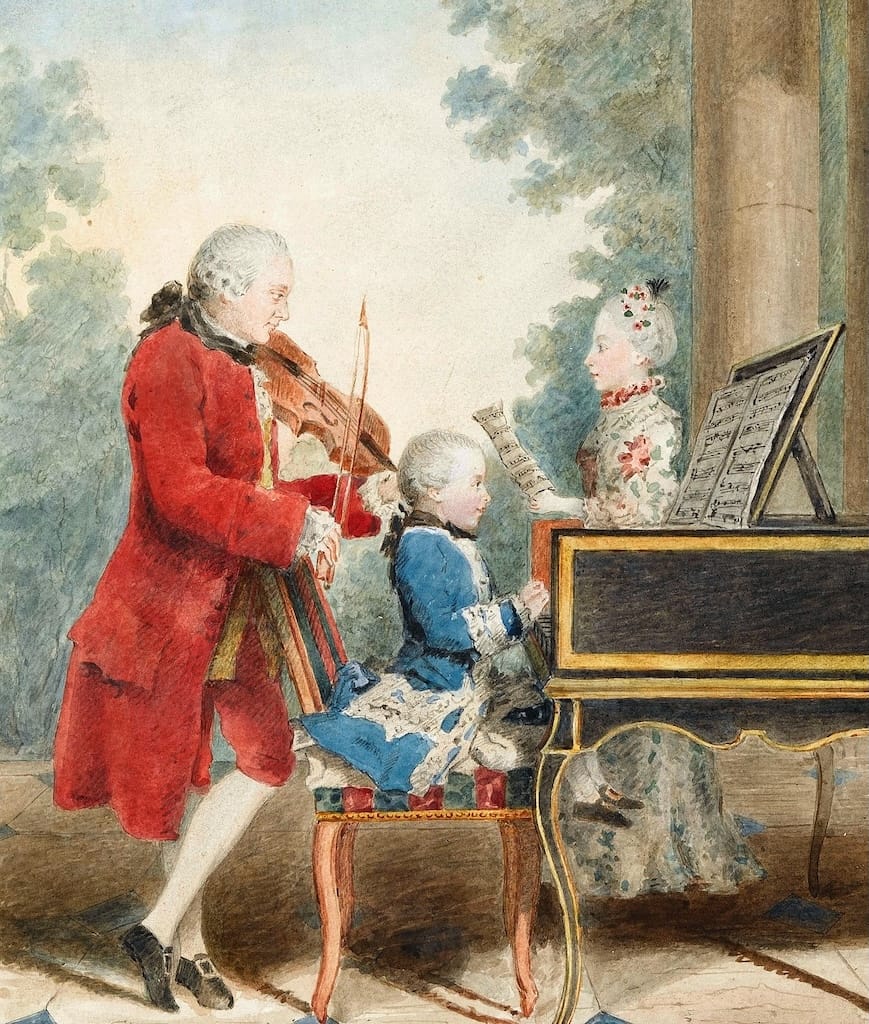
The Classical orchestra expands on the Baroque ensemble. Woodwinds play independent roles rather than merely doubling the strings. Brass instruments gain new significance and the timpani becomes a structural anchor. The symphony and the string quartet rise to prominence as favoured genres. Haydn, often called the father of both, established the models that later composers built upon.
Mozart refines Classical ideals with lyrical genius and dramatic instinct. His operas balance musical elegance with profound character studies. His piano concertos combine clarity of form with expressive warmth. Beethoven, who begins in the Classical style, pushes boundaries with bold harmonic moves, expanded structures and a more intense emotional range. His late works signal the beginning of the Romantic era.
Classical music offers an art of balance. Its beauty lies in proportion, clarity and expressive restraint. Yet within these boundaries, composers achieved an extraordinary range of moods from playful to tragic and from serene to revolutionary.
The Romantic Era
The Romantic period spans the nineteenth century and extends into the early twentieth. It celebrates individuality, emotional intensity and dramatic storytelling. Romantic composers sought music that could express the deepest human feelings and convey grand narratives of love, destiny, nature and the supernatural. The aim was not balance but passion and personal revelation.
Romantic harmony becomes richer and more adventurous. Composers explore distant key relationships, chromatic lines and unresolved tensions. This harmonic language creates a heightened sense of atmosphere and emotional colour. The Romantic melody becomes expansive and lyrical. Themes often unfold in long, sweeping lines inspired by song and poetry.
The orchestra grows significantly in size and variety. New instruments such as the tuba, piccolo, bass clarinet and harp become standard. Composers use the orchestra to paint vivid scenes and evoke powerful emotions. Expanded percussion sections add dramatic force. These developments allow for vast dynamic contrasts and rich sonic textures.
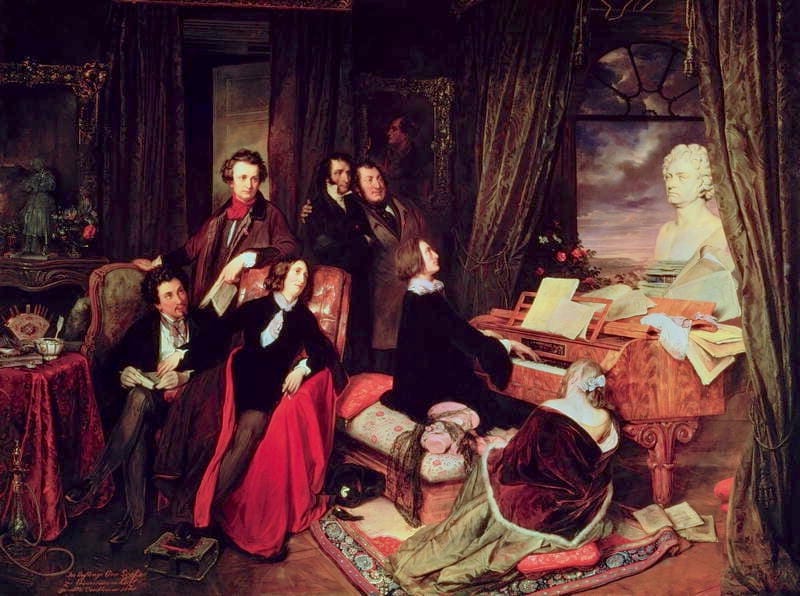
Romantic composers also explored programme music, which depicts scenes or tells stories. Berlioz’s Symphonie fantastique and Liszt’s tone poems are striking examples of how narrative and orchestral colour could be combined. Meanwhile, composers like Brahms and Mendelssohn maintained a more classical approach to form while infusing it with Romantic expressiveness.
Opera flourished during this era. Verdi and Wagner created works of immense dramatic power. Verdi focused on human emotions and theatrical clarity. Wagner sought a total artwork that united music, drama and myth. His chromatic language profoundly influenced the future of Western music.
The Romantic era values the composer as an individual artist. Music becomes a means of personal expression rather than a demonstration of formal ideals. This shift paved the way for the diversity and experimentation that defined the twentieth century.
The Modern Era
The Modern era emerges in the late nineteenth century and continues into the present. It reflects a world transformed by technology, global connections and changing artistic philosophies. Rather than a single style, Modern music encompasses many movements, each reacting to tradition in its own way. Composers experiment with new forms, new harmonic systems and new ways of organising sound.
One significant development is the move away from traditional tonality. Schoenberg introduces atonal and twelve-tone techniques that treat all notes equally. This approach breaks the hierarchy of major and minor keys. His students, Berg and Webern, expand this language with expressive and structural innovations.
Elsewhere, Stravinsky revitalises rhythm and form through bold accents and shifting metres. His early ballets reveal a raw, primal energy. Later, he explores neoclassicism, reinterpreting earlier styles with modern clarity. Debussy and Ravel bring impressionism to music through shimmering harmonies and delicate orchestral colours. Their sound worlds are inspired by symbolist poetry, Eastern aesthetics and the play of light.
Technology becomes part of the Modern landscape. Electronic instruments, recording tools and digital processes widen the possibilities of composition and performance. Composers such as Varèse and Stockhausen explore sound as a physical phenomenon. Minimalists like Reich, Glass and Adams focus on repetition, gradual change and hypnotic textures that reshape the listener’s sense of time.
Modern music invites listeners to explore. It challenges expectations and questions established rules. Yet it also connects to tradition by reimagining the past rather than rejecting it outright. Contemporary composers draw from global influences, folk traditions, jazz, popular music and historical styles. The result is a vibrant and diverse musical world.