The Scandal of 'The Rite of Spring' Premiere - What Really Happened?
The 1913 premiere of 'The Rite of Spring' shocked Paris with its brutal rhythms and radical choreography. But was it truly a riot, or a moment when modern music first confronted an audience unprepared for change?

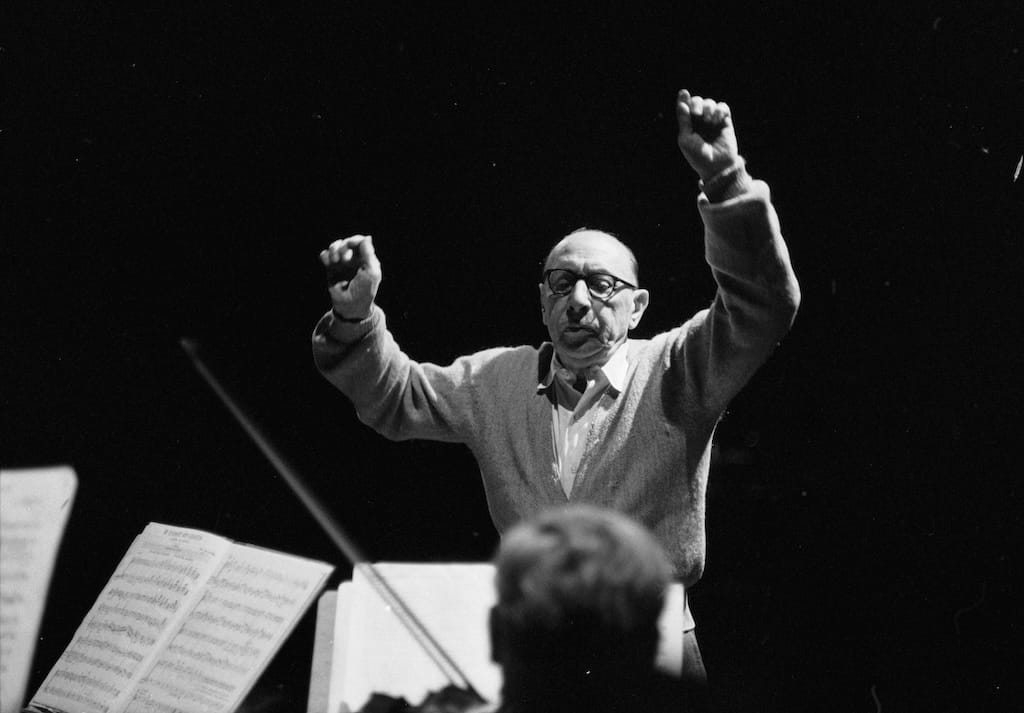
On 29 May 1913, at the Théâtre des Champs-Élysées in Paris, a ballet premiered that would alter the course of music history. The Rite of Spring, composed by Igor Stravinsky and choreographed by Vaslav Nijinsky for Sergei Diaghilev’s Ballets Russes, has since become one of the defining works of the twentieth century. Yet its first performance is remembered less for its innovation than for the uproar it provoked.
Accounts of the evening have passed into legend, often exaggerated into a near-mythical riot. What, then, really happened that night?

A Sound the Audience Had Never Heard
The Parisian audience expected something fashionable, perhaps daring, but still recognisable within the aesthetic world of early twentieth-century ballet. The Ballets Russes had already established a reputation for innovation. Works such as The Firebird and Petrushka had prepared audiences for Stravinsky’s vivid orchestration.
However, nothing quite prepared them for The Rite of Spring.
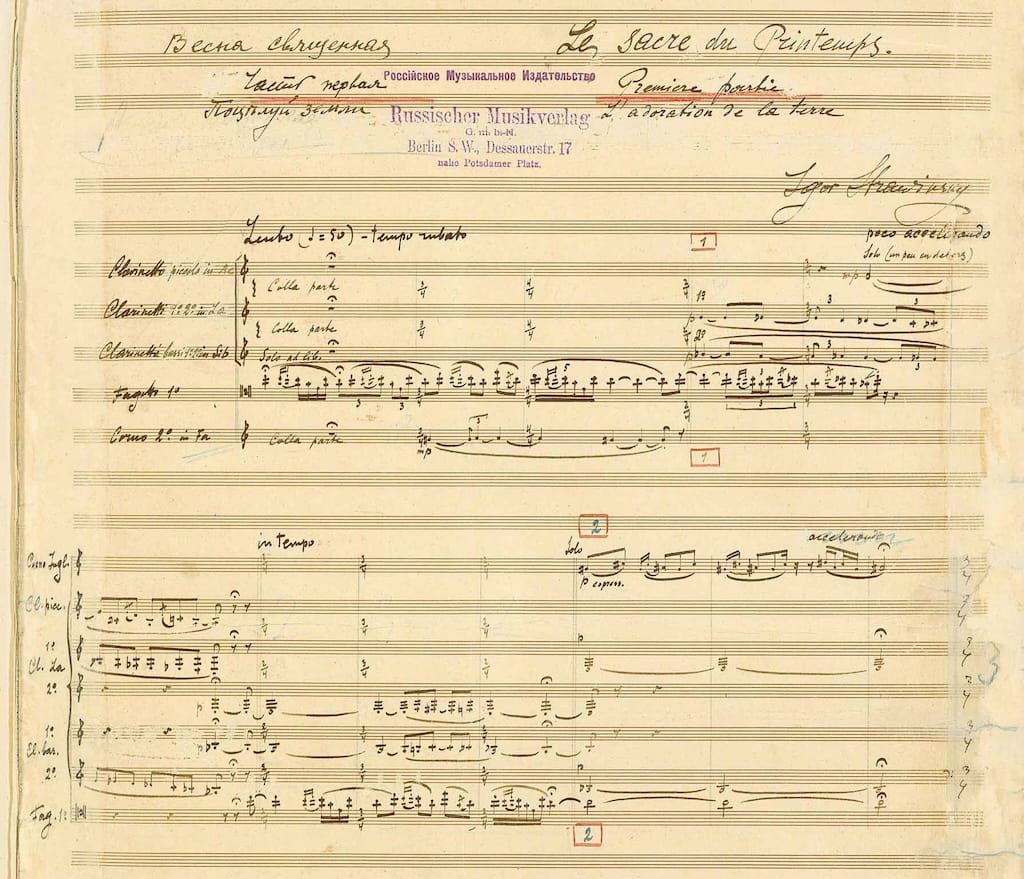
From the opening, the work confounded expectations. A lone bassoon, pushed into an unusually high register, introduces a melody inspired by Lithuanian folk music. Its strained, almost fragile tone unsettles the ear. As the orchestra expands, the music abandons traditional harmonic progression in favour of stark, dissonant blocks of sound.
Rhythms become jagged and unpredictable, driven by shifting accents and irregular metres. This was not elegant lyricism. It was raw, primal, and deliberately abrasive.
Nijinsky’s Radical Choreography
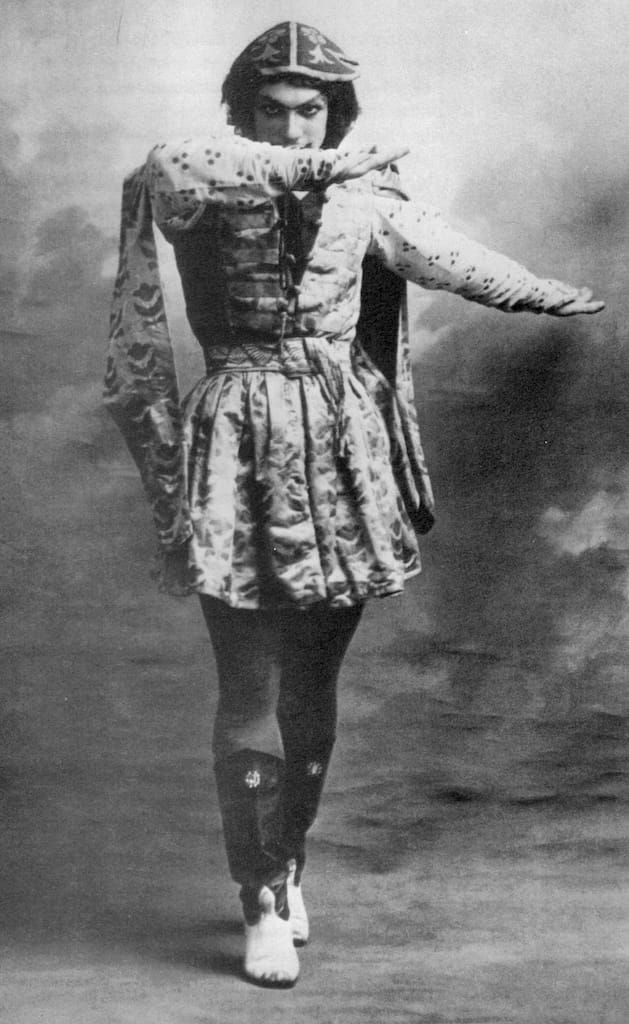
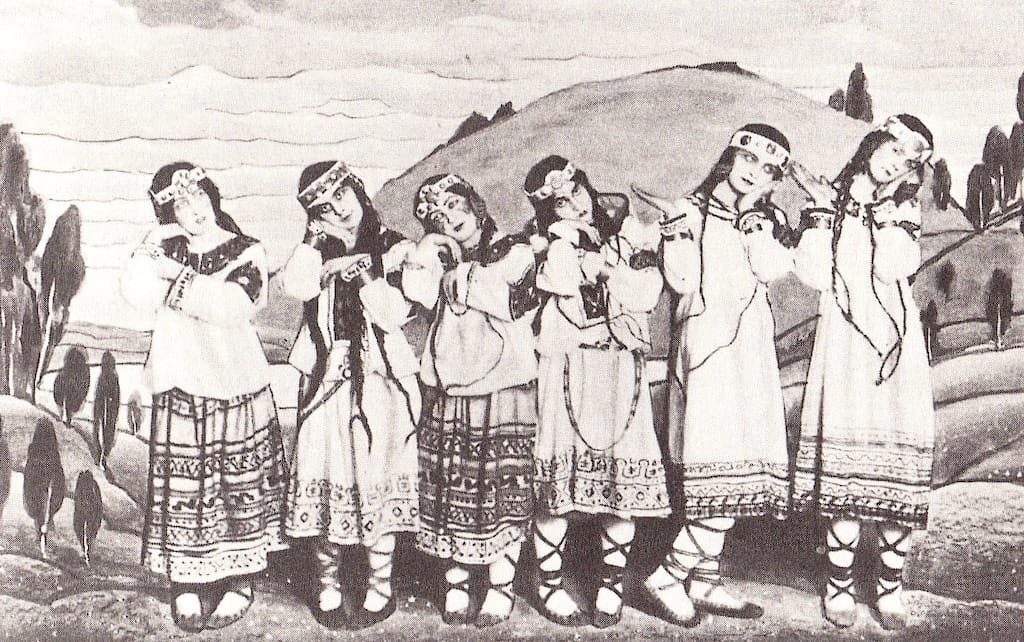
If the music startled, Nijinsky’s choreography proved even more provocative. Rejecting the graceful lines of classical ballet, the dancers moved with bent knees, turned-in feet, and heavy, grounded steps. They stamped rather than glided.
The choreography emphasised collective ritual over individual virtuosity. Formations suggested ancient, even pagan rites. The scenario itself, culminating in the sacrificial dance of a chosen maiden, reinforced this sense of archaic intensity.
The Audience Turns
It is widely reported that laughter began early in the performance. Some audience members found the music absurd, even grotesque. Others reacted to the choreography, which seemed to violate every convention of beauty and poise.
Soon the laughter turned into audible disagreement. Catcalls and jeers were met with shouts of defence. Supporters argued with detractors. The atmosphere quickly became charged.
Was It Really a Riot?
Contrary to the popular image of a full-scale riot, the situation was more complex. There was certainly disorder, and it escalated rapidly. Contemporary accounts describe shouting, whistling, and occasional physical altercations.
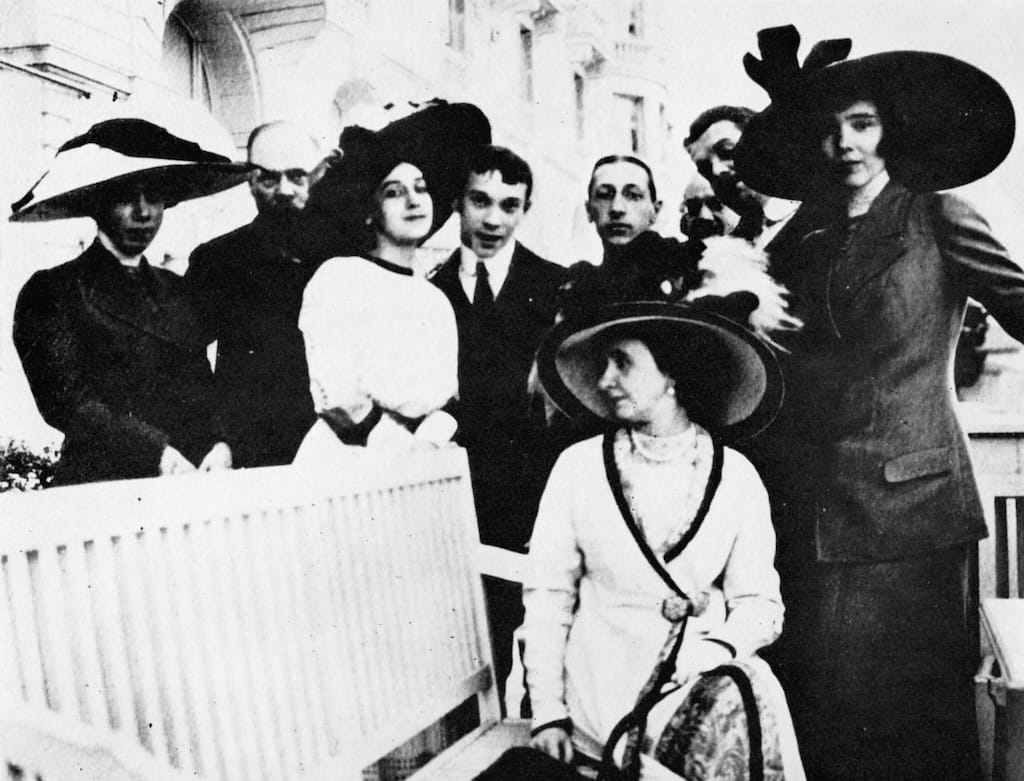
However, the disturbance was largely confined to vocal protest and scattered scuffles rather than sustained violence. The orchestra, conducted by Pierre Monteux, continued to play, though it was at times nearly drowned out by the noise in the auditorium.
Backstage Chaos
Backstage, the situation was no less dramatic. Nijinsky reportedly stood on a chair, shouting counts to the dancers, who could no longer hear the orchestra clearly. Diaghilev is said to have ordered the house lights to be switched on and off in an attempt to restore calm.
This intervention did little to help. If anything, it heightened the sense of confusion. Stravinsky himself was deeply affected, later recalling his anger and disbelief at the audience’s reaction.
Why the Reaction Was So Extreme
Part of the explanation lies in the collision between expectation and reality. The audience was prepared for innovation, but within limits. The Rite of Spring exceeded those limits decisively.
Its musical language challenged conventional notions of harmony and rhythm. Its choreography rejected established ideals of grace. Its subject matter, centred on pagan ritual and sacrifice, further distanced it from polite Parisian sensibilities.
There was also a cultural dimension. Early twentieth-century Paris was a centre of artistic experimentation, but also a place of competing tastes. The audience included both avant-garde enthusiasts and conservative patrons. The clash between these groups contributed significantly to the evening’s volatility.
From Scandal to Masterpiece
In retrospect, the scandal has often overshadowed the work itself. Yet The Rite of Spring did not remain controversial for long. Within a year, concert performances of the score were received far more positively.
Freed from the visual shock of Nijinsky’s choreography, audiences were better able to appreciate the structural ingenuity and expressive power of Stravinsky’s music. Today, the work stands as a landmark of modernism. Its rhythmic innovations and orchestral brilliance have influenced generations of composers.
More Than a Riot
What happened on 29 May 1913 was not simply a riot. It was a moment of rupture. The boundaries of artistic possibility were pushed beyond what an audience could immediately accept. The noise, the outrage, and the confusion were symptoms of something deeper: the shock of encountering a work that refused to conform. In that sense, the scandal of The Rite of Spring premiere was not an accident, but an inevitable consequence of its radical vision.