The History and Impact of Jazz on Western Classical Music
From Paris in the 1920s to American modernism and beyond, jazz reshaped Western classical music through syncopation, extended harmony and improvisatory spirit, transforming rhythm, colour and cultural identity within the concert hall.

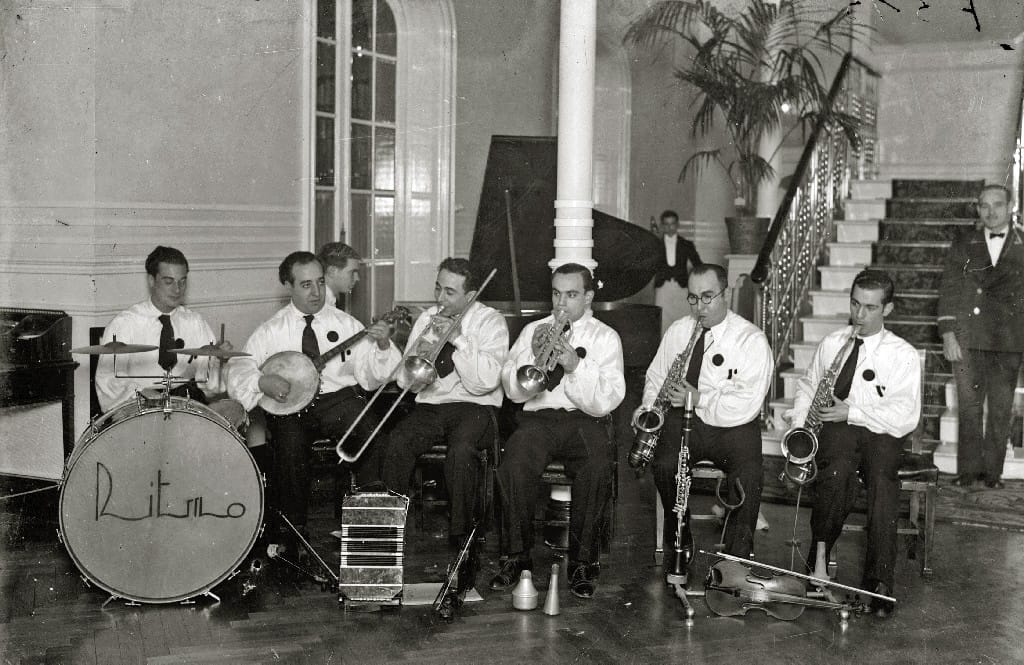
At the turn of the twentieth century, few could have predicted that a musical language born in African American communities would profoundly reshape the course of Western classical music. Jazz, with its syncopation, blue notes, improvisation and rhythmic vitality, did not remain confined to dance halls and clubs. It crossed cultural and geographic boundaries, entering concert halls and conservatoires, and leaving an indelible mark on composers across Europe and America.
The encounter between jazz and classical music was not a simple borrowing of style. It was a dialogue that challenged hierarchies, expanded harmonic language and redefined rhythm. For many composers, jazz represented modernity itself.
Ragtime and the First Wave
Before jazz was formally recognised as a genre, ragtime had already begun to infiltrate classical consciousness. The syncopated piano works of Scott Joplin introduced rhythmic patterns that felt radically different from European traditions. Although ragtime was often dismissed as popular entertainment, its rhythmic vitality attracted serious attention.
In the 1910s and 1920s, as jazz spread from New Orleans to Chicago, New York and Paris, European composers encountered it as a symbol of the new century. Its off beat accents and flexible phrasing stood in sharp contrast to the perceived rigidity of late Romanticism.
Paris in the 1920s
Paris became a crucial meeting point. American jazz musicians toured Europe, and the city’s artistic circles embraced the sound as both exotic and modern.
Among the composers captivated was Maurice Ravel. After encountering jazz during a tour of the United States, he incorporated its harmonies and rhythms into works such as his Piano Concerto in G major. The blues inflections and syncopated passages are not quotations, but stylised reflections filtered through Ravel’s refined orchestration.
Darius Milhaud, a member of Les Six, was equally fascinated. After visiting Harlem, he composed La création du monde, a ballet that integrates jazz inspired harmonies and rhythms into a classical framework.
Meanwhile, George Gershwin blurred boundaries from within American culture itself. Works such as Rhapsody in Blue and An American in Paris fused symphonic form with jazz idioms. Gershwin’s achievement lay not in imitation but in synthesis, creating music that belonged simultaneously to both traditions.
What Classical Composers Learned
Jazz influenced classical music on multiple structural levels.
1. Rhythm
European classical tradition had long valued rhythmic regularity. Jazz introduced syncopation, swing and complex cross rhythms. Composers began to experiment with irregular accents and shifting metres. Even those not directly quoting jazz absorbed its rhythmic freedom.
2. Harmony
Jazz harmony, with its extended chords, flattened sevenths and chromatic inflections, expanded the tonal palette. Ninths, elevenths and thirteenths became expressive tools rather than exotic additions. The harmonic colour of twentieth century classical music owes much to these developments.
3. Improvisation
While improvisation had been central to Baroque practice, it had receded in the nineteenth century. Jazz revived the idea of spontaneous creation. Some twentieth century composers reintroduced elements of indeterminacy and performer agency, albeit in different forms.
American Modernism and Cultural Identity
In the United States, jazz became intertwined with questions of national identity. Composers sought a distinctly American voice, separate from European heritage. Jazz, rooted in African American experience, provided that foundation.
Aaron Copland incorporated jazz rhythms and harmonies into early works such as his Piano Concerto. Leonard Bernstein later drew upon jazz idioms in both concert works and theatre scores. His Prelude, Fugue and Riffs explicitly engages with jazz forms while maintaining classical structure.
The influence also extended to composers who did not overtly reference jazz. The rhythmic sharpness and urban energy of American modernism often reflect a jazz informed sensibility.
Beyond America and France
Jazz’s reach extended across Europe and beyond.
Igor Stravinsky experimented with jazz elements in works such as Ebony Concerto. Though filtered through his neoclassical style, the piece demonstrates an engagement with jazz instrumentation and rhythm.
In Germany, Kurt Weill incorporated jazz and cabaret idioms into theatrical works, blending popular and classical traditions. His music for The Threepenny Opera captures this synthesis vividly.
The exchange was not always uncomplicated. Jazz carried racial and cultural associations that provoked both fascination and prejudice. Yet despite resistance, its musical language continued to permeate concert music.
Post War Developments and Third Stream
By the mid twentieth century, the dialogue deepened. Composer and theorist Gunther Schuller coined the term “Third Stream” to describe music that consciously merged classical and jazz traditions. This was not mere ornamentation but structural integration.
Composers wrote works for jazz ensembles using classical techniques, and jazz musicians engaged with symphonic forms. The boundaries between improvisation and notation, club and concert hall, became increasingly porous.
A Two Way Exchange
It is important to recognise that influence flowed in both directions. Jazz musicians drew upon classical harmony and orchestration. Duke Ellington composed extended suites. Later artists incorporated symphonic textures into jazz contexts.
The relationship between jazz and classical music is therefore not a story of appropriation, but of mutual transformation.
Lasting Impact
Today, the influence of jazz on Western classical music is so integrated that it can be difficult to isolate. Extended harmonies, flexible rhythms and openness to cross genre experimentation are now standard components of the contemporary composer’s vocabulary.
Film scores frequently combine orchestral writing with jazz harmony. Contemporary chamber works may feature improvisatory passages. Conservatoires increasingly encourage stylistic fluency across traditions.
Jazz challenged classical music to confront modernity, to rethink rhythm, harmony and hierarchy. It destabilised assumptions about what belonged in the concert hall and who had authority to define art music.
Conclusion
The history of jazz and Western classical music is one of encounter, resistance and eventual integration. From the syncopated pulse of ragtime to the sophisticated harmonic language of contemporary concert works, jazz has reshaped the sound world of classical composition.
More than a stylistic borrowing, it offered composers a new way of thinking about rhythm, colour and identity. In doing so, it expanded the expressive possibilities of Western art music and ensured that the dialogue between traditions remains vibrant today.