The Art of Plucked Texture: How Composers Use Short-Decay Instruments in Chamber Writing
There is something instantly engaging about a plucked note. It arrives clearly, speaks directly, and then disappears, leaving a small pocket of silence behind. In chamber music, where every sound is exposed, this kind of clarity can feel especially powerful.

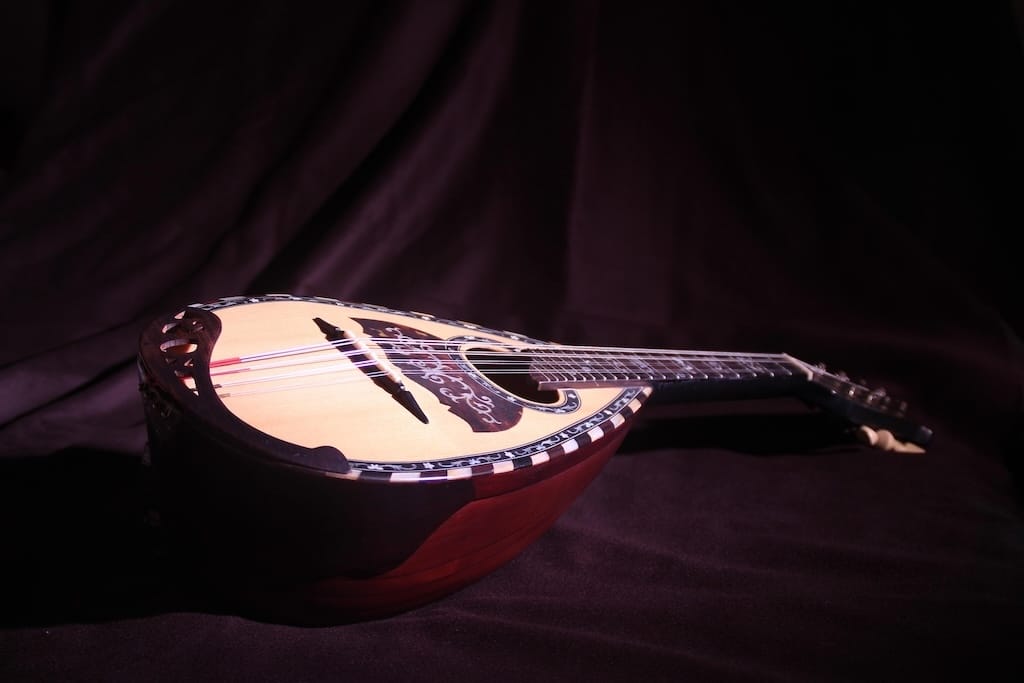
Composers have long been drawn to plucked instruments because of the way they shape musical space. Unlike sustained sounds, these instruments emphasize attack, rhythm, and detail, and they often stand out even at soft dynamics. This includes everything from harps and guitars to mandolin family instruments, which bring a bright, precise character that fits naturally into small ensemble writing.
Chamber music is often described as the most conversational form of classical music. With fewer performers, each instrument has a distinct voice, and every musical decision becomes more noticeable. In this setting, the way sound begins and ends matters just as much as pitch or harmony. Plucked instruments thrive here because their brief resonance naturally supports clear musical dialogue.
These sounds also invite composers to think differently about time and pacing. Instead of relying on long, flowing lines, they can build music from gestures, patterns, and echoes. The result is often music that feels intimate and intentional, where listeners become more aware of space, silence, and subtle shifts in texture.
What Is a “Plucked Texture,” Really?
Before diving deeper, it helps to understand what musicians mean by texture. In simple terms, texture describes how musical lines and sounds are layered and interact with each other.
Plucked texture refers to the specific sound world created by instruments whose notes fade quickly after being played. Because the sound does not linger, silence becomes part of the music. This makes the overall texture feel lighter, more transparent, and often more rhythmically focused.
Why Composers Love Short-Decay Instruments in Small Ensembles
Short-decay instruments are especially appealing in chamber music because of how clearly they speak. Their sound cuts through without overwhelming the ensemble, making them ideal for intimate settings.
- Clarity of sound: Plucked notes start sharply and fade fast, which helps listeners distinguish individual lines. In a small group, this clarity prevents musical ideas from blending too much and becoming muddy.
- Rhythmic strength: Because each note has a defined beginning, plucked instruments naturally reinforce rhythm. Composers often use them to highlight pulse, syncopation, or subtle timing details.
- Balance within the ensemble: Short-decay sounds take up less sonic space than sustained ones. This makes it easier to balance them with winds or bowed strings without constant adjustments.
Common Chamber Roles for Plucked Instruments
Plucked instruments rarely exist in chamber music just for decoration. Composers tend to assign them specific roles that support and shape the ensemble’s sound.
- Rhythmic support: Often, plucked instruments act as a quiet rhythmic backbone. They may repeat patterns or emphasize beats that help anchor the group without drawing attention away from the main melody.
- Color and contrast: Plucked sounds add a different texture against sustained lines. This contrast can refresh the ear, especially during long passages of legato writing.
- Musical dialogue: Composers frequently use plucked instruments in call-and-response passages. Short gestures can answer longer phrases from winds or strings, creating a sense of conversation.
Challenges and Creative Solutions
Writing for short-decay instruments also comes with challenges. Composers must think carefully about projection, sustain, and blend.
One common solution is smart spacing. By placing plucked parts in a higher or clearer register, composers help them speak more easily. Doubling lines or pairing them with similar rhythms in other instruments can also strengthen their presence.
How to Hear Plucked Texture More Clearly
Understanding plucked texture becomes easier with attentive listening. You do not need technical knowledge, just a bit of focus.
Try listening for how notes begin and end. Notice how silence follows each plucked sound and how that silence shapes the rhythm. Pay attention to how these instruments interact with sustained ones rather than listening for melody alone.
Small Sounds, Big Impact
Plucked instruments may produce brief sounds, but their impact in chamber music is lasting. Their clarity, rhythmic precision, and use of silence give composers tools that sustained instruments cannot always provide.
By listening closely, we can hear how these short-decay voices shape texture, balance, and expression. In the intimate world of chamber music, even the smallest sound can leave a strong impression.
In many ways, plucked texture reminds us that music is not only about what is played, but also about what is allowed to fade. The quick decay of these instruments creates room for reflection and nuance, encouraging both composers and listeners to engage more deeply. By embracing brevity and space, chamber music continues to find fresh expressive possibilities in even the smallest sounds.
Ultimately, these textures invite patience and attention. When listeners slow down and notice how sound enters and exits the musical space, chamber music reveals a quiet depth that rewards careful, repeated listening.