Sacred Sound at Christmas: Why Bach and Handel Still Dominate December
Each December, Bach and Handel return to concert halls and churches worldwide. This essay explores why their sacred music still defines Christmas, through theology, tradition, institutional practice and the listening habits of modern audiences.

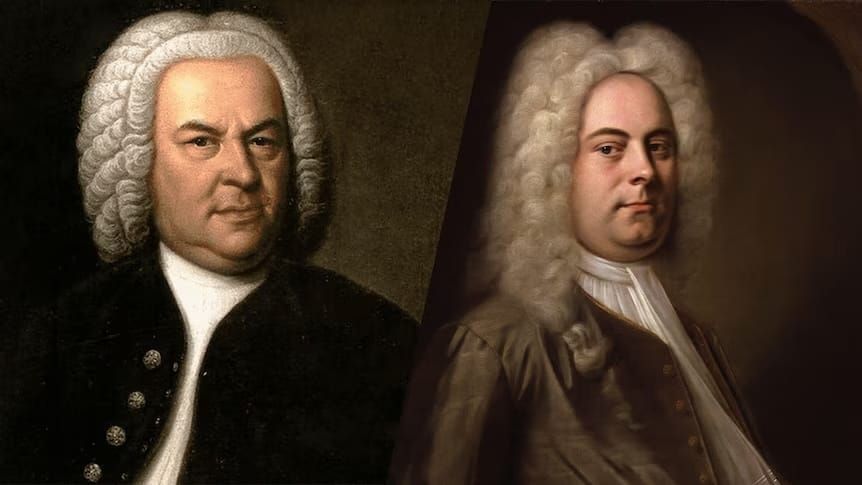
Each December, concert halls, churches, radio schedules and streaming platforms converge around a remarkably narrow musical canon. Johann Sebastian Bach’s Christmas Oratorio, cantatas and passions, alongside George Frideric Handel’s Messiah, resurface with near ritual inevitability. Despite vast changes in musical taste, performance practice and technology, these works continue to define the soundscape of Christmas in much of the Western classical tradition. Their persistence raises a compelling question. Why, in an age of unprecedented musical access and pluralism, do Bach and Handel still dominate December?
The answer lies not in nostalgia alone, but in a complex intersection of theology, musical architecture, institutional tradition and listening habits that has proven unusually durable.
Music Shaped by Belief
Both Bach and Handel wrote sacred music within a deeply theological framework, yet their approaches differed significantly. Bach’s sacred works are inseparable from Lutheran doctrine and liturgical function. His cantatas were composed for specific Sundays and feast days, embedded in the rhythms of church life in Leipzig. The Christmas Oratorio, assembled from six cantatas performed between Christmas Day and Epiphany, is not a concert piece in origin but a liturgical cycle, each movement designed to reflect and reinforce scripture.
This theological grounding gives Bach’s Christmas music a sense of inwardness and contemplation. Chorales function as moments of communal reflection, allowing the listener to pause and internalise the narrative. The music does not simply describe the Nativity story but invites meditation on its meaning. Even today, audiences sense this structural seriousness, whether or not they share Bach’s faith.
Handel, by contrast, approached sacred music with a more theatrical sensibility. Messiah was written for the concert hall rather than the church, and its libretto, assembled by Charles Jennens, draws selectively from scripture without following a liturgical calendar. It tells a story of prophecy, incarnation, redemption and resurrection, but it does so through a dramatic arc that owes much to opera.
This difference matters. Bach’s Christmas works feel anchored in ritual, while Handel’s Messiah offers transcendence through public spectacle. Together, they cover both poles of sacred experience, the inward and the communal, the doctrinal and the universal.
A Theology That Travels
One reason these works have endured is their theological adaptability. While explicitly Christian, they communicate through musical language that transcends confession. Bach’s counterpoint and harmonic logic suggest order, balance and inevitability. Handel’s choruses convey collective exaltation with visceral clarity. Listeners may not engage with the theological specifics, but they respond to the emotional and structural coherence.
This has allowed Bach and Handel to survive the gradual secularisation of Christmas itself. In many contemporary societies, Christmas functions as a cultural rather than religious festival. Yet the music associated with it retains a sense of seriousness that sets it apart from seasonal entertainment. Performing Bach or Handel in December offers institutions a way to acknowledge the sacred roots of the season without requiring explicit belief.
Tradition as Infrastructure
Another key factor is institutional tradition. For over two centuries, Messiah has been performed annually in cities across Europe, North America and beyond. Amateur choral societies, professional ensembles, churches and universities have built December calendars around it. Bach’s Christmas music, though slower to enter the mainstream, has followed a similar trajectory since the Bach revival of the nineteenth century.
These traditions are self-reinforcing. Choirs programme what they know they can rehearse within limited time. Audiences attend what they recognise and trust. Funders support events with predictable appeal. Over time, Bach and Handel become not just composers but seasonal infrastructure.
The rise of historically informed performance has refreshed rather than disrupted this cycle. Period instruments, smaller choirs and revised tempi have offered new ways to hear familiar works, allowing each generation to rediscover them without abandoning the canon.
The Listening Habit Loop
Modern listening habits have further entrenched Bach and Handel’s dominance. Streaming platforms reward familiarity. Algorithms amplify works that already receive seasonal spikes, creating a feedback loop in which Messiah and Bach’s Christmas cantatas appear ever more prominently in December playlists.
Radio broadcasters follow similar logic. Limited airtime encourages safe programming, particularly during holidays when audiences may be more casual or fragmented. A Bach cantata or Handel chorus offers both cultural prestige and broad accessibility.
This does not mean listeners are passive. Many actively seek these works each year, using them as markers of time. Just as certain foods or rituals signal the arrival of Christmas, so too does music. Bach and Handel provide sonic continuity in an otherwise accelerated and commercialised season.
Craft, Not Just Canon
It would be a mistake to attribute this endurance solely to habit. Bach and Handel continue to dominate because their music withstands repetition. Each return reveals new detail, whether in Bach’s intricate word painting or Handel’s masterful pacing of tension and release.
In Bach’s Christmas Oratorio, trumpet fanfares proclaim joy, but they are balanced by moments of intimate tenderness, such as the lullaby-like aria Schlafe, mein Liebster. Handel’s Messiah moves effortlessly between grandeur and restraint, allowing listeners to experience awe without exhaustion.
Few works manage this balance so successfully. Many later composers wrote fine Christmas music, but often within narrower expressive ranges or specific stylistic contexts. Bach and Handel offer both intellectual depth and immediate impact, a combination that appeals to musicians and audiences alike.
Space, Acoustics, and Ritual
The physical spaces in which this music is performed also contribute to its authority. Churches and large halls suit the acoustic demands of Bach and Handel particularly well. Their music is architecturally minded, designed to fill space and respond to resonance.
Performing these works becomes a ritual not only of listening but of gathering. In a fragmented cultural landscape, the shared experience of hearing Messiah or a Bach cantata in December offers a sense of continuity and collective presence that few other musical events can replicate.
Is There Room for Change?
The dominance of Bach and Handel has prompted debate about repertoire diversity. Critics argue that an overreliance on these composers sidelines voices from other traditions and eras. There is truth in this concern. The Christmas season could, and should, accommodate a wider range of sacred and seasonal music.
Yet replacing Bach and Handel is not the only path forward. A more productive approach may be contextual expansion rather than substitution. Programming that places their works alongside lesser-known composers, contemporary responses, or music from other Christian traditions can enrich rather than diminish their impact.
The question is not whether Bach and Handel should remain central, but how they are framed and complemented.
Endurance Beyond Belief
Bach and Handel dominate December because they offer something increasingly rare: music that feels both rooted and expansive. Their works engage belief without demanding it, tradition without stagnation, and familiarity without banality. In an age when Christmas risks becoming sonically saturated yet spiritually hollow, their music provides gravity. It slows time, invites reflection, and reminds listeners that celebration and contemplation are not opposites.
Sacred sound, in this sense, is not about doctrine alone. It is about creating spaces in which meaning can still be heard. Bach and Handel continue to do this, not because we lack alternatives, but because few have spoken so clearly across centuries to the season’s deepest contradictions.