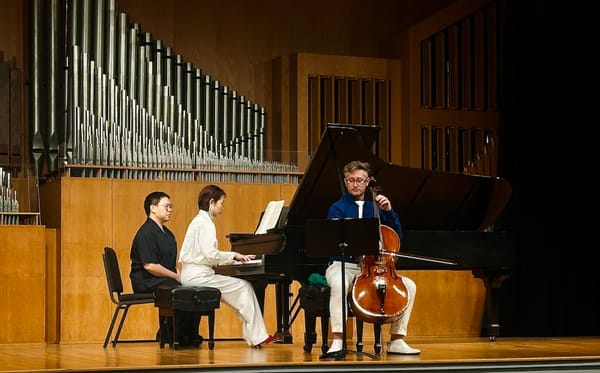
How to Prepare for a Music Conservatory Audition
A clear and practical guide to preparing for a music conservatory audition, covering repertoire choices, practice strategies, musicianship, and mental readiness, with insights into what audition panels truly listen for.


For many young musicians, a conservatory audition represents a decisive threshold. A few minutes in a practice room or on stage can shape years of artistic training. Whether you are aiming for institutions such as The Juilliard School, Royal College of Music, or a leading national conservatory closer to home, preparation is not simply about playing the right notes. It is about presenting yourself as a complete, thoughtful, and resilient musician.
This guide outlines a structured and realistic approach to conservatory audition preparation, focusing on repertoire, practice strategies, musicianship, mental readiness, and the practical details that can make a crucial difference.
1. Understand What the Conservatory Is Really Listening For
Audition panels are not looking for perfection in the narrow sense. They are listening for potential. This includes sound quality and musical intention, technical reliability under pressure, stylistic awareness, the ability to communicate character and structure, and evidence of disciplined preparation.
A missed note is rarely fatal. A lack of musical direction or insecure rhythm is far more damaging. Faculty members are effectively asking whether they can imagine working with this student for the next three or four years.
Before choosing repertoire or planning your practice schedule, study the audition requirements carefully. Some conservatories publish highly specific lists, while others allow flexibility within stylistic parameters. Treat these documents as artistic frameworks rather than bureaucratic obstacles.
2. Choose Repertoire Strategically, Not Ambitiously
One of the most common mistakes candidates make is choosing repertoire that is technically impressive but not fully under control. It is far better to play a slightly less demanding work with conviction than to struggle through a so called prestige piece.
When selecting repertoire, consider contrast between periods, characters, and tempos, comfort under pressure, and whether the music genuinely suits your musical personality.
Ask yourself honestly whether this repertoire shows you at your best. If the answer is uncertain, rethink it.
It is also wise to prepare more music than strictly required. Panels may stop you mid piece or ask for specific sections. Being secure across the entire work demonstrates seriousness and professionalism.
3. Build a Long Term Practice Plan
Last minute intensity cannot replace months of structured work. Ideally, audition preparation should begin six to nine months in advance.
A strong practice plan includes early score study, with analysis of form, harmony, and style before heavy repetition. It also includes technical isolation of difficult passages, slow practice to stabilise rhythm and intonation, and regular run throughs that simulate performance conditions.
Avoid the trap of practising only what you already play well. Audition panels can sense uneven preparation immediately.
Equally important is rest. Over practising in the final weeks often leads to fatigue, injury, or mental burnout. The goal is consistency, not exhaustion.
4. Work Closely With Teachers and Mentors
Your primary teacher is your most important resource during this process. Regular feedback helps prevent blind spots that self practice cannot catch.
In addition to your main teacher, consider mock auditions with visiting faculty or senior musicians, chamber coaches for ensemble or collaborative repertoire, and language or diction coaches for singers.
Each external perspective strengthens your adaptability. Auditions are unpredictable, and musicians who can adjust quickly under feedback often stand out.
5. Develop Musicianship Beyond the Notes
Many auditions falter not because of technical weakness, but because of limited musical awareness. Conservatories expect students to arrive with a foundation of broader musicianship.
Key areas to strengthen include sight reading, rhythmic security, aural skills such as intonation and harmonic awareness, and stylistic literacy across different periods.
Listening widely is essential. Study great performers, but do not imitate blindly. Panels value individuality rooted in understanding rather than replicas of famous recordings.
6. Prepare for the Psychological Side of Auditions
Audition nerves are not a sign of weakness. They are a natural response to pressure. The aim is not to eliminate nerves, but to function productively despite them.
Helpful strategies include frequent performance opportunities before the audition, mental rehearsal through calm visualisation, breathing techniques to manage physical tension, and consistent routines for eating, warming up, and resting.
On audition day, expect something to feel off. It might be the room, the instrument, or your concentration. Successful candidates are not those untouched by disruption, but those who recover quickly and continue musically.
7. Know What to Expect on the Day
Audition formats vary, but many share common elements. These include a short warm up window, panel members seated at a distance, limited verbal interaction, and requests to start or stop at unexpected points.
Dress professionally but comfortably. Your appearance should support your confidence rather than distract from it. Carry all necessary documents, extra copies of scores, and basic instrument accessories.
Most importantly, remember that the panel wants you to do well. Their goal is to identify future colleagues and students, not to intimidate you.
8. Interviews, Theory Tests, and Sight Reading
Some conservatories include additional components such as interviews or written tests. These are designed to assess curiosity, commitment, and preparedness.
In interviews, be ready to speak clearly about your musical background, why you are applying to that institution, and your long term goals.
Avoid rehearsed speeches. Honest and reflective answers are far more compelling than grand declarations.
For theory or sight reading tests, steady fundamentals matter more than advanced knowledge. Calm focus and clear thinking will serve you better than last minute cramming.
9. After the Audition, Perspective Matters
Once the audition ends, resist the urge to replay every detail. Conservatory admissions are competitive and subjective. Outcomes depend on factors beyond individual performances, including available places, studio balance, and institutional priorities.
Regardless of the result, treat each audition as part of your artistic education. The discipline, self knowledge, and resilience developed during preparation are lasting gains.
Many accomplished musicians did not enter their first choice conservatory. They continued learning, refining, and performing. A single audition never defines a career.
Final Thoughts
Preparing for a music conservatory audition is as much about artistic maturity as it is about technical readiness. It requires time, honesty, discipline, and the courage to present yourself authentically under scrutiny. If approached thoughtfully, the audition process can become an invaluable stage of growth rather than a source of fear. Whether you succeed immediately or take a longer path, the habits you build now will serve you for a lifetime in music.