Fabio Banegas on Bottiroli: Memory, Rediscovery, and the Art of Interpretation
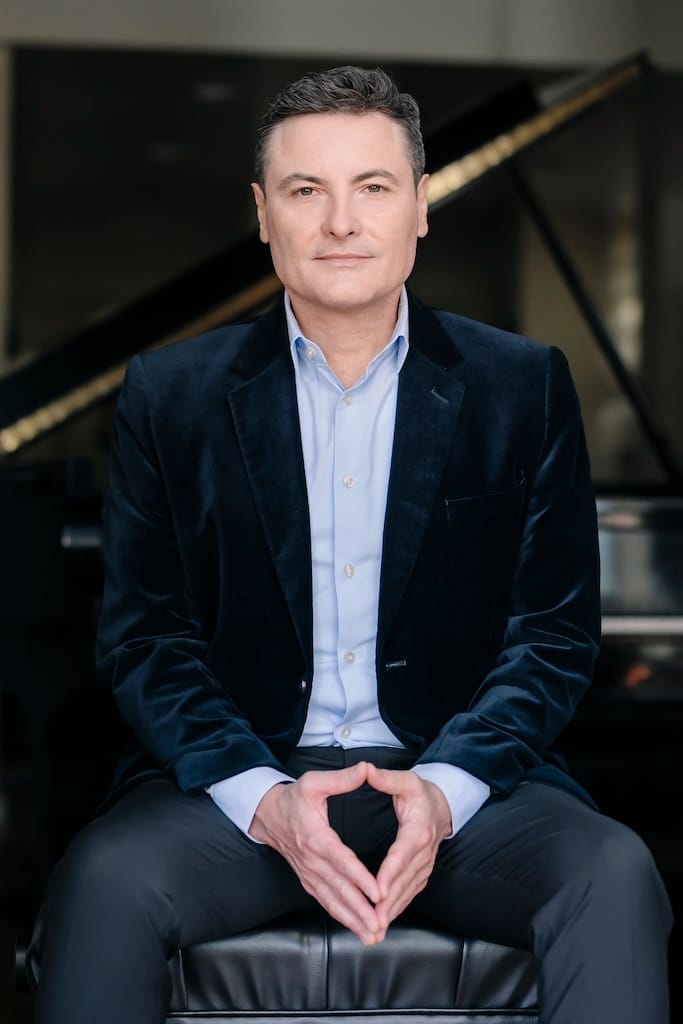
Pianist Fabio Banegas reflects on his deep engagement with Bottiroli’s music, exploring memory, interpretation, and rediscovery through ‘Mementos’, the fourth volume in a project dedicated to documenting the Argentine composer’s complete piano works.
Fabio Banegas has built a distinctive career around rediscovery, bringing overlooked composers into focus through a combination of scholarship and performance. His ongoing engagement with the music of José Antonio Bottiroli, an Argentine composer whose work moves between European tradition and Latin American idioms, forms one of the most significant strands of that work.
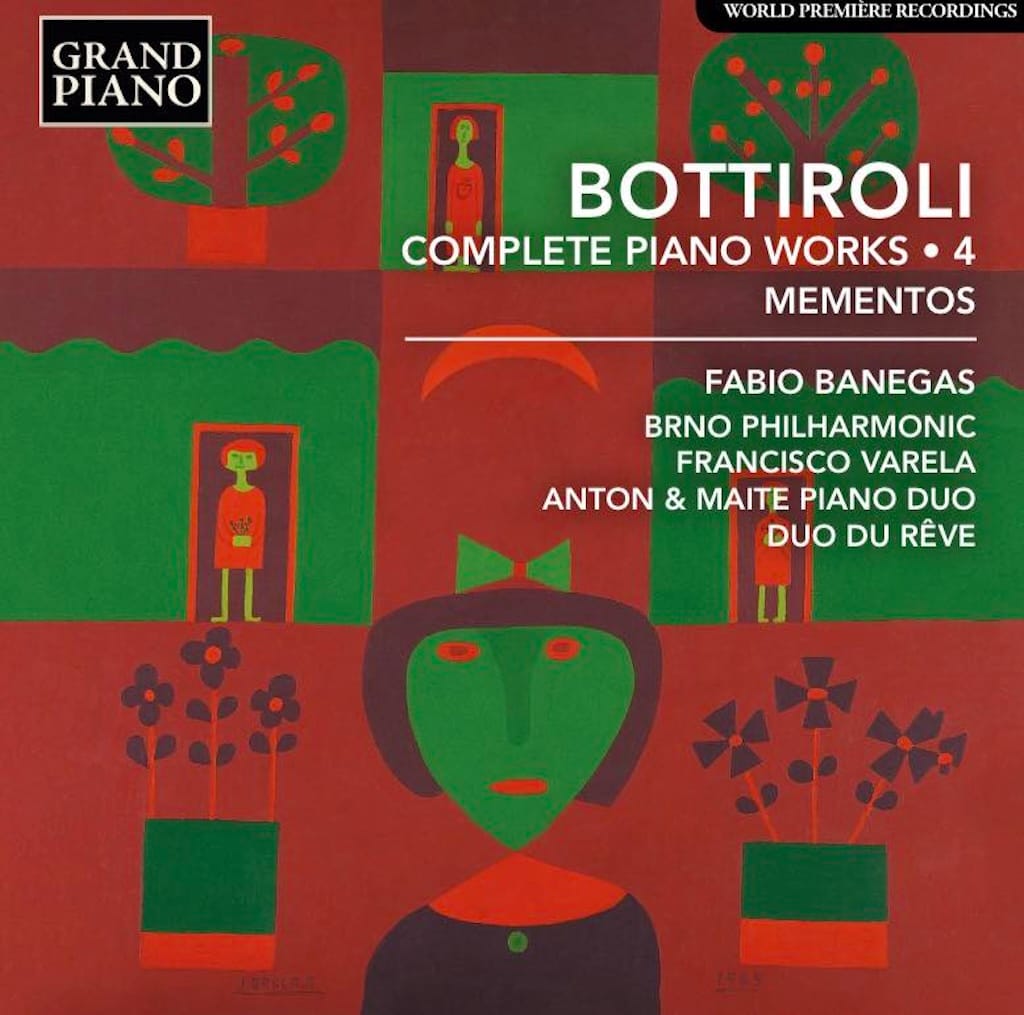
Complete Piano Works, Volume 4: Mementos offers a particularly revealing entry point into Bottiroli’s world. Spanning solo, chamber, and orchestral settings, the programme draws together pieces that function as intimate reflections on memory, character, and personal experience. From the early Symphonic Impressions to later works shaped by contrapuntal writing, impressionistic colour, and folk influence, the album captures the breadth of a composer whose voice resists easy categorisation.
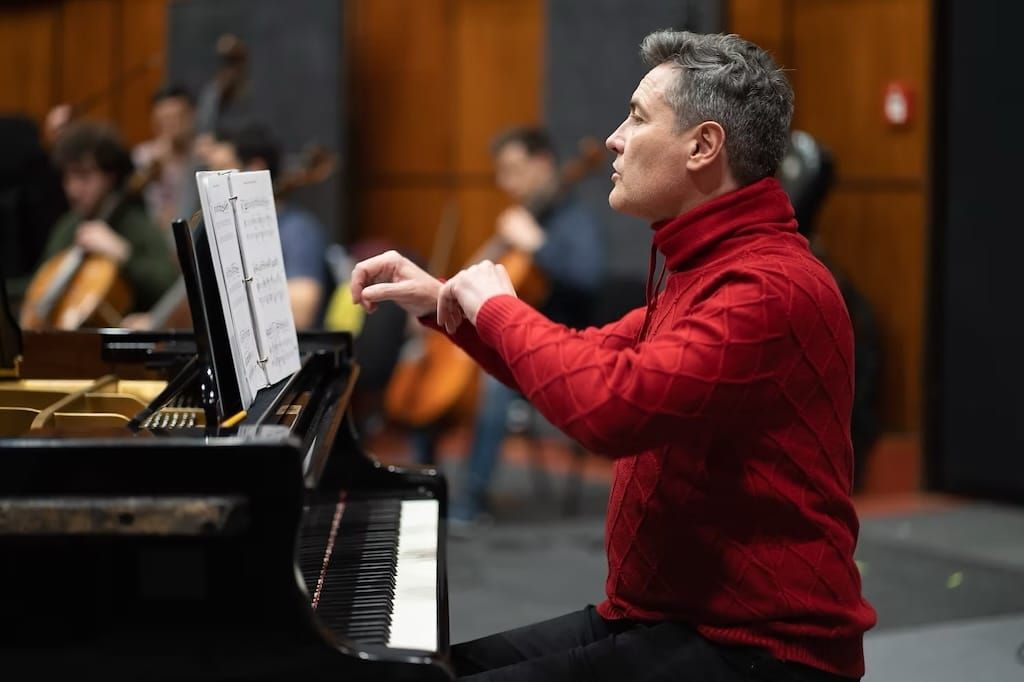
At the centre of this project is Banegas himself, not only as interpreter but as a direct link to the composer. A former student of Bottiroli, he brings a rare combination of personal insight and scholarly rigour to the music, shaping performances that balance historical awareness with expressive immediacy.
In this conversation, Banegas reflects on his long association with Bottiroli, the interpretative challenges of Mementos, and the broader artistic and archival mission that underpins his work.
Nikhil Sardana: You have been closely involved in recording Bottiroli’s complete piano works. What first drew you to his music?
Fabio Banegas: I was first drawn to Bottiroli’s music as a teenager. Arriving for a lesson one day, I overheard him playing a piece of immense beauty; its harmonic palette captivated me immediately. When I asked who the composer was, Bottiroli replied, “It is mine. Do you like it?”
The following week, he presented me with a copy of the score, dedicated to me with the words: “To Fabio… surely his best interpreter”, dated 11 October 1986. I look back on that moment as the true beginning of my relationship with his music, a journey that now culminates in the release of his complete piano works on the Grand Piano label.
NS: The title Mementos and the notes describe many of these works as reflections of memory and personal experience. How do you approach conveying that sense of intimacy at the piano?
FB: To interpret the works in Mementos, I approach each piece as a kind of musical diary entry. My aim is to make the listener feel as though they have stepped into a private space, overhearing a personal reflection.
I treat these works as character studies of specific moments in Bottiroli’s life. This means moving away from a rigid concert style and instead adopting a flexible, conversational tempo that follows the natural flow of memory. By prioritising vulnerability and emotional closeness, the performance becomes less a formal recital and more a quiet dialogue between Bottiroli’s past and the listener.
NS: Bottiroli’s writing moves between contrapuntal textures, Impressionistic colours, and Argentine folk influences. How do you balance these contrasting elements in performance?
FB: This fluidity is perhaps the most striking characteristic of his style, and also the most rewarding challenge for an interpreter. I navigate these shifts by drawing on the breadth of my own repertoire and experience.
Bottiroli was a master of synthesis. By weaving together different historical styles, his music reflects the eclectic spirit of the visual arts of his time. He does not remain within a single idiom; rather, he moves freely between them, often shifting harmonic language from one phrase to the next, depending on the narrative demands of the music. It is precisely this ability to absorb and transform multiple influences that defines his modernity.
NS: This volume includes orchestral and chamber collaborations with a wide range of musicians. How did these collaborations shape your interpretation of the works?
FB: Given my lifelong closeness to Bottiroli and his music, I naturally became a point of reference for the other musicians. My role was not to direct their musical instincts, but to offer insight into the composer’s personality and inner world, while allowing them complete artistic freedom.
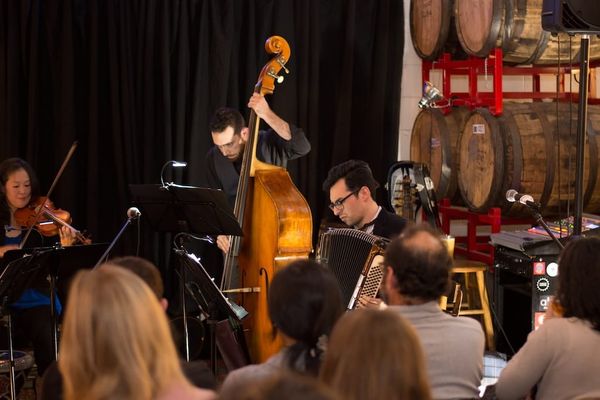
Collaborating with the Antón & Maite Piano Duo was particularly rewarding; they are among the finest duos of our time, and it was reassuring to know that Bottiroli’s two-piano repertoire was in such capable hands. I felt the same working with Duo du Rêve, with flautist Jana Jarkovská and pianist Bohumír Stehlík.
Conductor Francisco Varela, leading the Brno Philharmonic, once again demonstrated his exceptional ability to bring world-premiere works by Argentine composers to life. This project also marked a reunion, as we had previously collaborated on the award-winning recording of Eduardo Grau’s concertos.
Ultimately, once the musicians engaged with the scores and were given a deeper understanding of Bottiroli’s world, they were free to bring their own artistry to the music.
NS: The notes describe Bottiroli as your mentor. How did that relationship influence your understanding of his music?
FB: My role as his student was fundamental. While studying piano with him, I was simultaneously learning the essence of his musical language. That personal closeness was vital to my understanding of his work.
Beyond music, Bottiroli was also a poet, and his writings offer a profound insight into his inner life. One of the most important lessons I learned from him was his embrace of interpretative freedom. He encouraged the performer to make independent artistic choices, trusting their musical instinct. For him, this was not a lack of structure, but a way of allowing the music to live and breathe in the moment.
NS: Your career has been defined by world premiere recordings and rediscoveries. What draws you to lesser-known composers, and what challenges come with recording them?
FB: I am drawn to lesser-known composers by a sense of historical responsibility. I feel compelled to help fill gaps in the musical canon, placing my work at the service of those who were never given the opportunity to be widely heard. Bringing these works to light is not only professionally fulfilling, but also a form of artistic justice.
The challenges are considerable. In a world-premiere recording, you are not simply interpreting a work; you are establishing a reference point for future performers and scholars. The process begins with uncovering the material, followed by the intellectual task of understanding a style that lacks an established performance tradition. One must rely entirely on musical instinct and experience to bridge the gap between the written score and a living interpretation.
NS: Your background connects Czech, Argentine, and American musical worlds. How does this shape your artistic identity and repertoire choices?
FB: My artistic identity is shaped by all three cultures, and I see my work as a tribute to each of them. The United States, as a cultural melting pot, provided the platform for my career to develop, particularly through my work in rediscovering neglected repertoire.
At the same time, my roots in Rosario and my Czech heritage remain central to my identity. As the grandson of immigrants from Moravia, I feel a strong connection to the European tradition. These influences converge in my repertoire today.
My next project focuses on one of the earliest classical composers in the United States, Anthony Philip Heinrich, a Bohemian immigrant. Bringing this music to light is both a scholarly pursuit and a personal one, reflecting my own journey across cultures.
NS: You are also involved in publishing and editing Argentine music. How does your scholarly work inform your approach as a performer?
FB: My work as an editor and publisher is inseparable from my life as a performer; the two constantly inform one another. My collaboration with musicologist Diego Orellana is central to this process, as we work together to reconstruct musical languages that have remained silent for decades.
His research into a composer’s life and context provides the intellectual framework I need to approach the score with confidence. Before the advent of AI, I personally translated much of the editorial and biographical material to ensure that the composer’s voice was faithfully represented.
When I sit down to perform, I am not simply reading a score; I am engaging with a language I have helped to recover and articulate. This grounding in scholarship allows the interpretation to remain historically informed, while still retaining emotional immediacy.