Analysing the Works of Antonin Dvorak
Antonín Dvořák’s music blends lyrical melody, folk-inspired rhythms, and classical clarity. His symphonies, chamber works, and sacred music reveal a composer of remarkable warmth, craftsmanship, and national identity whose influence continues to resonate worldwide.

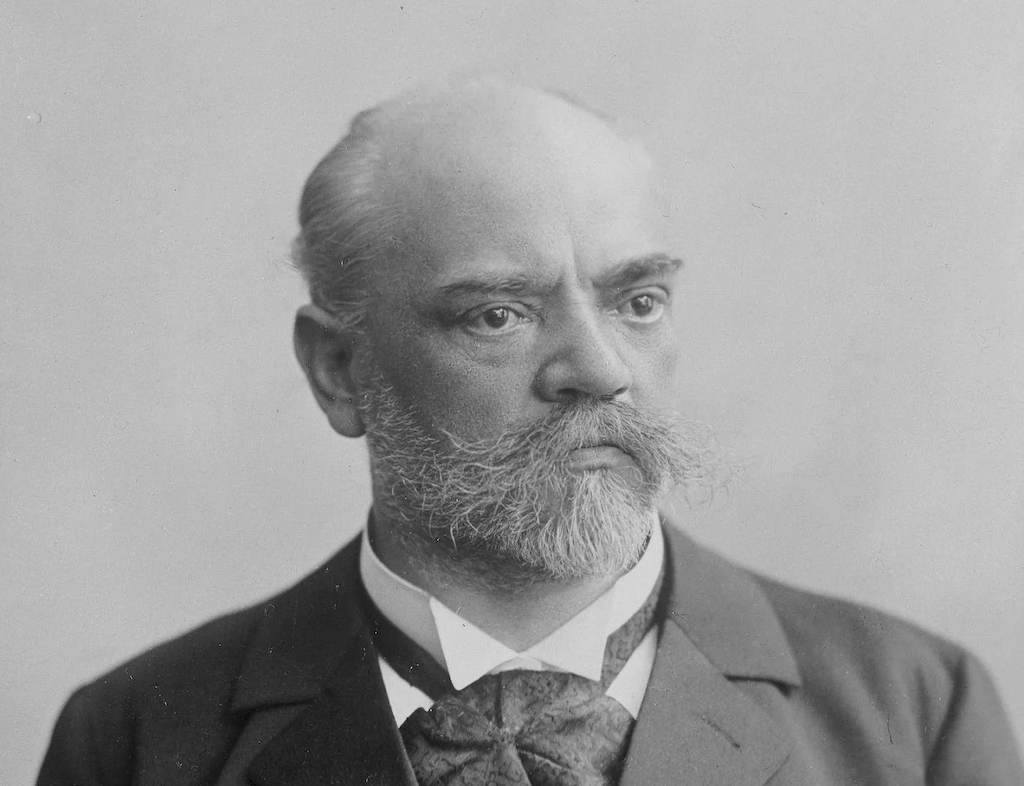
Antonín Dvořák stands among the most beloved composers of the nineteenth century, admired for the warmth of his melodies, the richness of his orchestration, and the unmistakable blend of national character and classical refinement found throughout his music. His works bridge the lyricism of the Romantic tradition with the spirited rhythms and colours of his Bohemian heritage, creating a musical language that is both sophisticated and immediately appealing.
Dvořák’s oeuvre spans symphonies, concertos, operas, chamber music, sacred works, and songs. Each reveals a composer deeply connected to the music of his homeland and yet deeply engaged with broader European traditions. To analyse his output is to encounter a fascinating interplay between folk influence and classical structure, between emotional depth and joyful exuberance.
This article explores the defining characteristics of Dvořák’s music and analyses the elements that contribute to the enduring power of his works.
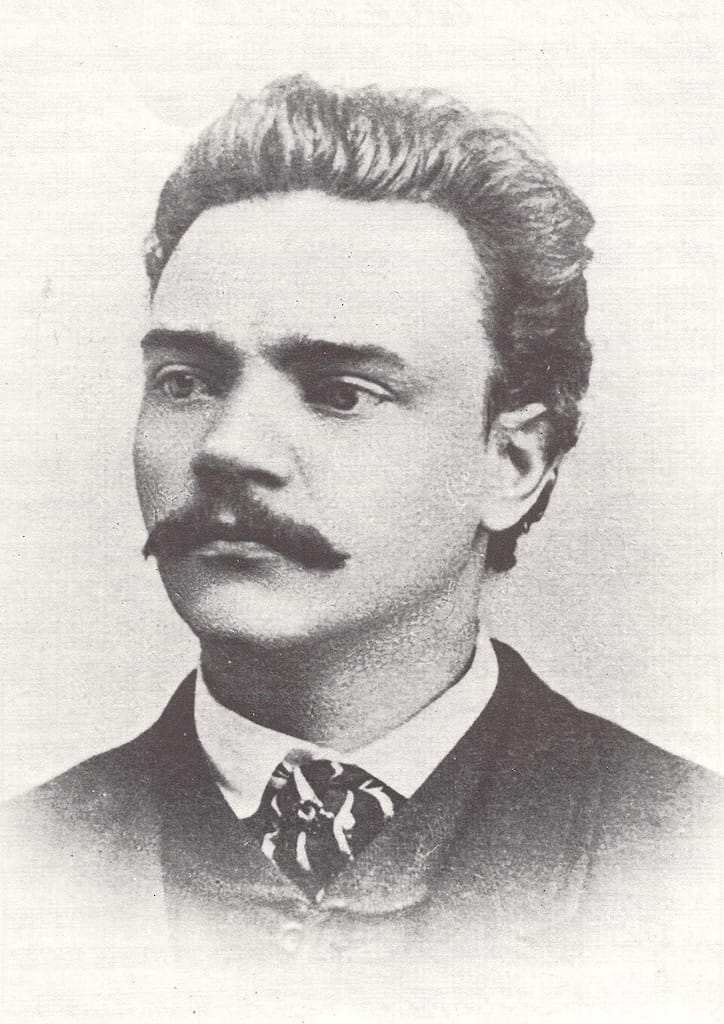
Melodic Generosity and Folk Roots
One of the most striking features of Dvořák’s music is the extraordinary abundance of memorable melodies. These melodies often draw on the contours of Czech folk music without quoting actual folk tunes. Instead, Dvořák internalised the spirit of the music he heard around him and infused it into his own writing.
Typical melodic traits include:
- Wide, arching phrases reminiscent of folk singing
- Modal inflections that evoke pastoral or rustic colour
- Rhythmic vitality inspired by Czech dances such as the furiant and dumka
- A natural, songlike ease that allows his themes to unfold with spontaneity
This melodic gift is evident across his works. In the Slavonic Dances, for example, Dvořák captures the energy and charm of traditional Central European dance forms while elevating them to concert pieces of symphonic brilliance. In the Symphony No. 8, the opening flute theme blossoms into a rich orchestral tapestry, while in the Cello Concerto, one of the most beloved concertos in the repertoire, Dvořák crafts an opening theme of noble beauty and depth.
His familiar blend of lyricism and national colour is not merely decorative. It forms the emotional core of his music and provides a distinctively Bohemian identity within the wider Romantic canon.
Structural Clarity and Classical Discipline
Although Dvořák’s music often sounds spontaneous and folk driven, it rests on a solid foundation of classical form. He greatly admired Beethoven, Brahms, and Mozart, and their influence can be felt throughout his symphonies and chamber works.
Dvořák’s approach to form is marked by:
- Clarity of thematic presentation
- Balanced proportions
- Organic development of motifs
- Purposeful contrasts of mood and character
In the Symphony No. 7, sometimes regarded as his most Brahmsian work, Dvořák employs rigorous sonata form and motivic development. Yet the music never feels academic. Instead, it surges with dark energy, rhythmic drive, and expressive intensity.
Similarly, the Serenade for Strings demonstrates how Dvořák could take classical models and enrich them with heartfelt lyricism. The result is a work of elegant structure and irresistible charm.
His ability to unite folk elements with classical form is one of the key reasons his music appeals to both scholars and general audiences.
Orchestration: Colour, Warmth, and Transparency
Dvořák was a master of orchestration. His scores display a remarkable balance between colour and clarity. Unlike some late Romantic composers who indulged in dense textures, Dvořák preferred transparent writing that allowed each line to be heard distinctly.
Characteristics of his orchestration include:
- Lush yet clear string writing
- Expressive use of woodwinds, often carrying important thematic material
- Warm brass passages that add majesty without overwhelming the texture
- Delicate percussion use, providing sparkle or rhythmic emphasis
In the New World Symphony, perhaps his most famous work, Dvořák employs a wide array of orchestral colours to evoke both American influences and nostalgic feelings for his homeland. The cor anglais solo in the Largo is one of the most recognised passages in orchestral music, notable for its simplicity and expressive purity.
Dvořák’s orchestral palette is vibrant but never excessive. His ability to achieve emotional richness while maintaining clarity contributes significantly to the lasting appeal of his symphonic writing.
Rhythmic Drive and Dance Elements
Rhythm is central to Dvořák’s musical identity. He frequently incorporated Czech dance rhythms, which give his music its distinctive flavour. These rhythms provide forward momentum and character and often create lively contrasts within movements.
Key rhythmic types in his music include:
- Furiant rhythms, characterised by shifting accents and fiery energy
- Dumka patterns, with alternating melancholic and lively sections
- Polka influences, offering lightness and buoyancy
- Bold syncopations, adding immediacy and excitement
In the Slavonic Dances, rhythmic vitality drives the music, making these works some of the most exhilarating in his output. Even in more serious works, such as the Symphony No. 9, rhythmic patterns lend the music urgency and dramatic tension.
Dvořák’s rhythmic language contributes significantly to his unique fusion of national style and classical craftsmanship.
Chamber Music
Dvořák’s chamber music is often regarded as the most intimate and refined portion of his oeuvre. Works such as the String Quartet No. 12 (the American Quartet), the Piano Quintet in A major, and the Dumky Trio stand among the masterpieces of the chamber repertoire.
These works reveal:
- Sophisticated interplay between instruments
- A perfect balance of lyricism and structural discipline
- An intensely personal expressive voice
The Piano Quintet in A major is an exemplary demonstration of Dvořák’s maturity. It combines warm, expansive melodies with finely crafted ensemble writing. The Dumky Trio, by contrast, explores the dumka form through six contrasting movements that shift between introspection and spirited dance.
In his chamber works, Dvořák often appears at his most vulnerable and imaginative, weaving melodies and textures with subtlety and grace.
National Identity and International Influence
Dvořák’s travels to England and the United States had a profound impact on his musical outlook. His time in America, particularly his directorship at the National Conservatory of Music in New York, exposed him to African American spirituals and Native American melodies. These influences can be heard in the New World Symphony, the String Quartet No. 12, and the Sonatina for Violin and Piano.
However, these inspirations did not displace his Czech identity. Instead, they broadened his musical vocabulary. He believed strongly in the importance of national schools of composition and encouraged American composers to draw inspiration from indigenous musical traditions, much as he had done with Czech music.
This blending of cultural influences is one of the distinguishing features of his later works and contributes to their universality.
Sacred Works
Dvořák’s religious faith finds profound expression in his sacred compositions. Works such as the Stabat Mater, Requiem, and Te Deum reveal a composer capable of immense emotional depth and spiritual sincerity.
The Stabat Mater, in particular, stands as one of the great choral masterpieces of the nineteenth century. Written in the wake of personal tragedy, it explores themes of suffering and consolation through music that is both intimate and monumental. Its expressive power comes from its simplicity, its noble melodic lines, and its careful pacing.
These sacred works show another dimension of Dvořák’s artistry, one rooted in contemplation and devotion rather than folk exuberance.
Antonín Dvořák’s works continue to captivate audiences because they offer a rich blend of emotional warmth, national identity, structural clarity, and melodic beauty. His ability to synthesise folk influences with classical tradition has ensured that his music remains admired across generations and cultures.