A Quiet Christmas: Music That Prefers Candlelight to Celebration
A reflective exploration of Christmas music that resists spectacle, tracing a quieter tradition of sacred listening where stillness, restraint, and inward attention reveal the season’s deeper meanings.

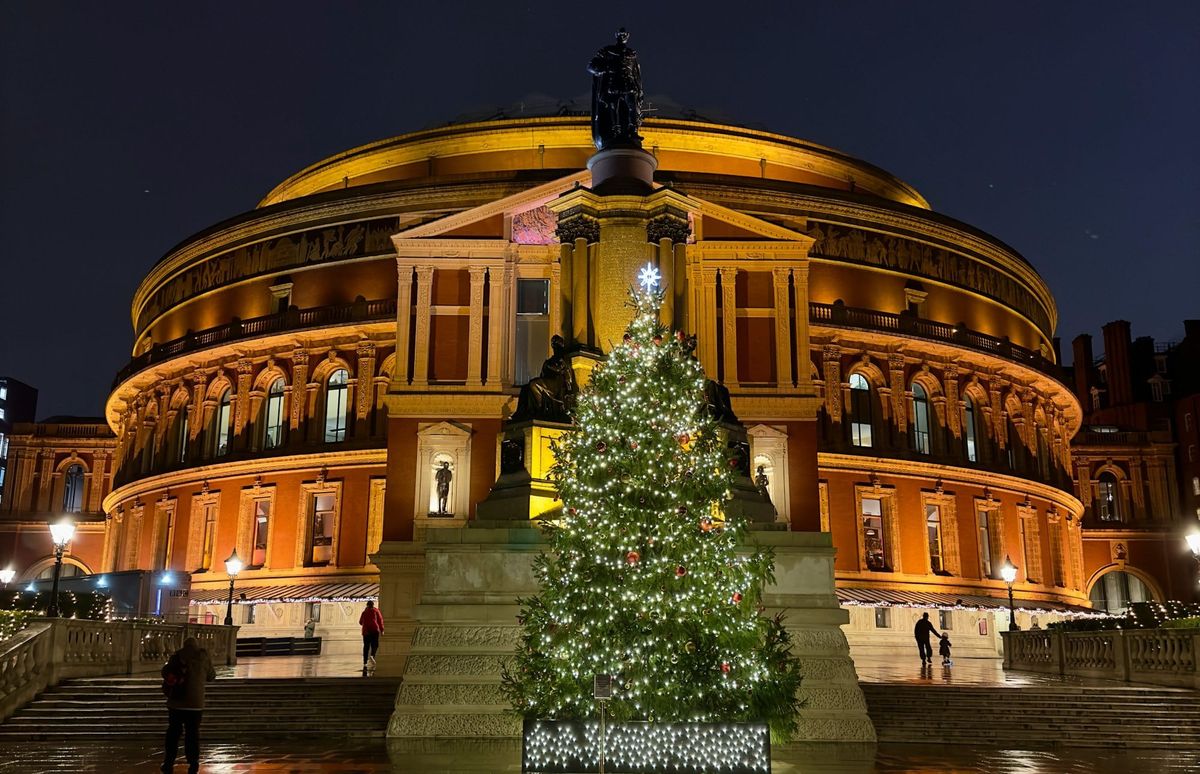
Christmas, as it is commonly encountered today, is rarely quiet. It arrives amplified: in shopping centres, on radio playlists, in curated concert programmes that privilege familiarity and volume. Even within Western classical music, the season is often dominated by large gestures and extroverted sound worlds, by choruses designed to fill cathedrals and concert halls alike.
Yet there exists another musical Christmas, one that does not compete for attention. This tradition favours restraint over display, inwardness over proclamation. Its works are often modest in scale, slow in pace, and sparing in material. They ask not for applause, but for presence.
This quieter Christmas has always existed alongside the grander one. It is less visible, less programmed, but no less central to the musical imagination of the season. In many ways, it speaks more directly to the spiritual and philosophical undercurrents of Christmas itself.
Christmas as Pause, Not Climax
Within the Christian liturgical calendar, Christmas is not merely a festival of arrival, but a moment of stillness embedded within a larger cycle of waiting and anticipation. Advent, after all, precedes it, and much of the season’s meaning lies in suspension rather than fulfilment.
Music composed for this context was never intended to dominate space. It accompanied ritual, prayer, and reflection, often in settings where silence was as important as sound. Early sacred Christmas music was less concerned with narrative drama than with creating an atmosphere conducive to contemplation.
This perspective shifts our understanding of what Christmas music is meant to do. Instead of heightening emotion, it holds emotion in check. Instead of propelling the listener forward, it invites them to remain.
Stillness as a Compositional Choice
In the modern era, few composers have articulated this philosophy as clearly as Arvo Pärt. His sacred choral works, frequently performed during the Christmas season, are defined by economy. Melodic material is limited, harmonic movement deliberate, and texture uncluttered.
In works such as Bogoróditse Djévo or Magnificat, the absence of overt drama is precisely the point. Sound emerges carefully, often syllable by syllable, as if testing the acoustic space before committing to it. Silence is not treated as an interruption, but as a structural element.
What makes this music particularly resonant at Christmas is its refusal to hurry. Time unfolds at its own pace, independent of external expectation. The listener is not led towards a climax, but invited into a state of sustained attention. In this sense, Pärt’s music functions less as performance and more as environment.
Lessons from Renaissance Polyphony
This modern aesthetic of stillness has deep historical roots. Renaissance polyphony, especially music written for small ecclesiastical communities, often embodies a similar ethos. Christmas motets from this period are characterised by balance rather than contrast, by interweaving vocal lines that move independently yet remain in equilibrium.
The effect is intimate rather than overwhelming. No single voice dominates. Meaning emerges collectively, through the accumulation of small gestures rather than through grand statements. The listener is drawn inward, following lines as they intersect and separate, attentive to nuance rather than spectacle.
Such music reminds us that Christmas was once experienced primarily at close quarters: within chapels, monasteries, and parish churches where the boundary between performer and listener was fluid. The music belonged to the space, and to the moment.
Tenderness in the Modern Sacred Tradition
The twentieth century did not abandon this quieter approach. In France, composers continued to explore sacred music as a site of vulnerability rather than triumph. Among them, Francis Poulenc occupies a distinctive position.
Poulenc’s sacred works often balance childlike simplicity with harmonic unpredictability. At Christmas, this produces a particularly poignant effect. Moments of joy appear fleetingly, never overstated, and are often tempered by introspection. His music acknowledges faith not as certainty, but as questioning and fragile.
This emotional honesty gives Poulenc’s Christmas music its enduring power. It does not insist on celebration. Instead, it allows space for doubt, tenderness, and quiet hope, qualities that resonate deeply in a season often burdened by expectation.
Candlelight, Scale, and the Ethics of Sound
There is an ethical dimension to this music’s restraint. To write quietly is to acknowledge limits: of space, of attention, of human perception. Candlelight serves as an apt metaphor. It illuminates without overwhelming, creates intimacy without spectacle.
In performance, such music demands a different kind of listening. Subtle shifts in harmony, minute changes in texture, and the decay of sound within an acoustic become central to the experience. The listener must meet the music halfway, bringing patience and openness.
This stands in sharp contrast to much contemporary Christmas programming, which prioritises immediacy and recognition. Quiet Christmas music resists instant consumption. Its rewards are cumulative and often delayed.
Why Quiet Christmas Music Matters Now
In an age defined by constant stimulation, the value of restraint cannot be overstated. Quiet Christmas music offers not escape, but recalibration. It reminds us that meaning does not always arrive through intensity, and that celebration need not be loud to be profound.
For listeners willing to slow down, this repertoire offers something rare: permission to be still. In the suspended time between notes, Christmas reveals itself not as spectacle, but as presence. Not as culmination, but as pause.
And perhaps that is its greatest gift.