10 Famous Composers Who Were Also Brilliant at Other Arts
Many great composers were not confined to music alone. From chemistry and architecture to painting and literature, these ten remarkable figures reveal how creative brilliance often crosses disciplines, enriching both their musical language and the wider artistic world.

The image of the composer is often confined to the study: a figure bent over manuscript paper, surrounded by instruments, chasing elusive musical ideas. Yet the creative impulse rarely confines itself to a single discipline. Throughout history, many composers have explored other artistic fields with remarkable seriousness, sometimes achieving distinction beyond music itself. Painting, literature, architecture and visual design frequently intersected with their musical thinking, offering insight into how artistic ideas travel across mediums.
These composers remind us that creativity is rarely compartmentalised. Their work in other arts often illuminates their musical imagination, revealing broader intellectual and aesthetic worlds. Here are ten composers whose talents extended far beyond the concert hall.
Alexander Borodin (1833–1887): Composer and Scientist
Alexander Borodin remains one of the most fascinating figures in nineteenth-century music because composition was not even his primary profession. By day he was a respected chemist and physician, serving as a professor at the Imperial Medical-Surgical Academy in St Petersburg.
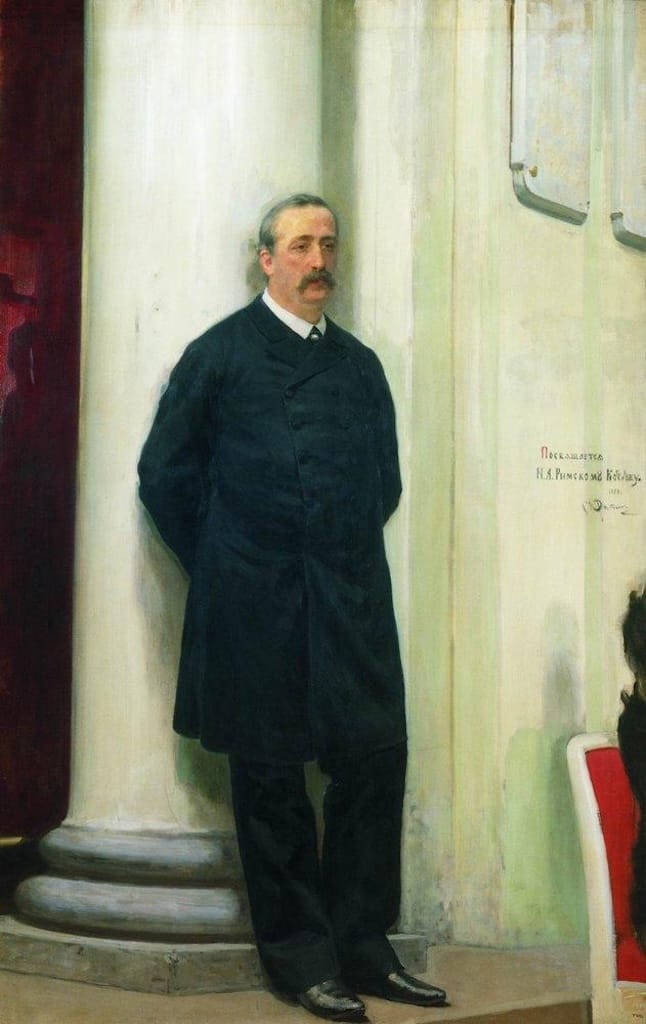
Borodin made important contributions to organic chemistry, including research on aldehydes and the reaction that now bears his name, the Borodin reaction. He also advocated strongly for women’s education in Russia and helped establish medical courses for women.
Remarkably, his musical output was created largely during evenings and holidays. Yet works such as the opera Prince Igor, the Second Symphony, and the celebrated Polovtsian Dances stand among the most recognisable achievements of Russian Romantic music. Borodin himself joked that composing was merely a hobby, though posterity has ensured his reputation in both science and music.
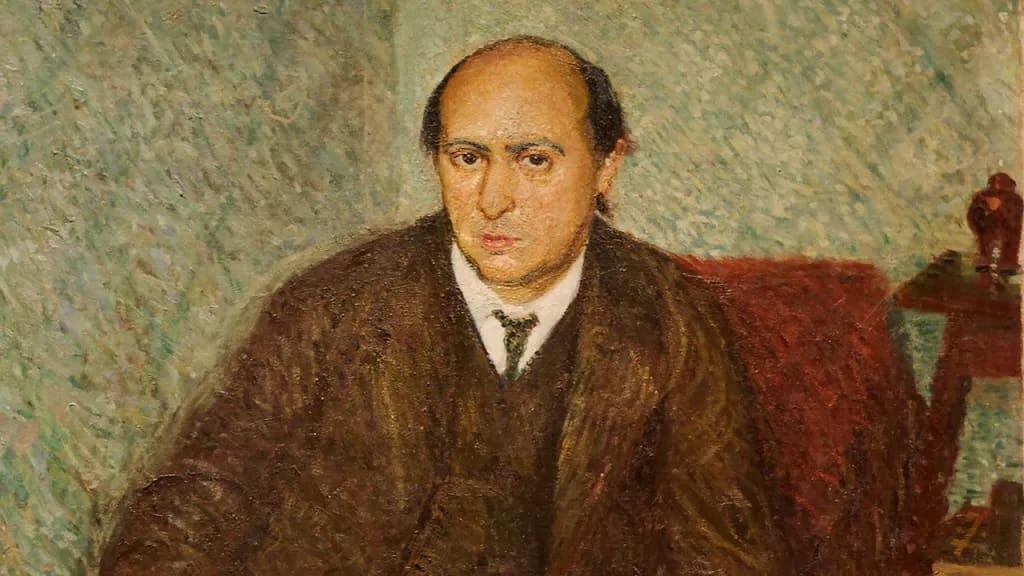
Arnold Schoenberg (1874–1951): Composer and Painter
Arnold Schoenberg is widely known as the pioneer of atonality and the creator of the twelve-tone method, but fewer people realise that he was also a serious painter. His visual work belongs to the world of early twentieth-century Expressionism and attracted attention from leading artists of the time.
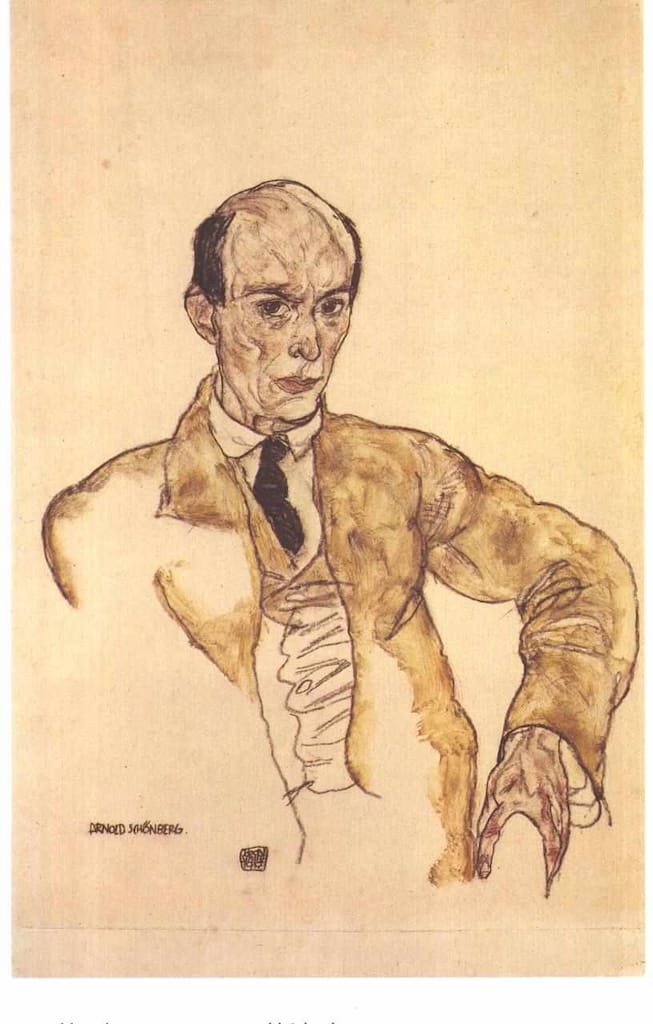
Schoenberg exhibited alongside painters such as Wassily Kandinsky and was closely associated with the artistic circle known as Der Blaue Reiter. His paintings often feature intense colours, distorted faces and haunting psychological imagery. Many of them are self-portraits or studies of the human gaze, which he described as “visions”.
For Schoenberg, painting was not a casual pastime. It was another means of expressing inner emotional states. The aesthetic connection between his music and his painting is striking. Both explore psychological depth and reject traditional forms in favour of direct expression.
Ethel Smyth (1858–1944): Composer and Writer
Ethel Smyth occupies a significant place in British musical history, particularly as a pioneering female composer in a male-dominated field. Yet her literary output was equally impressive. Smyth wrote several books, including memoirs, essays and autobiographical reflections that are still widely read today.
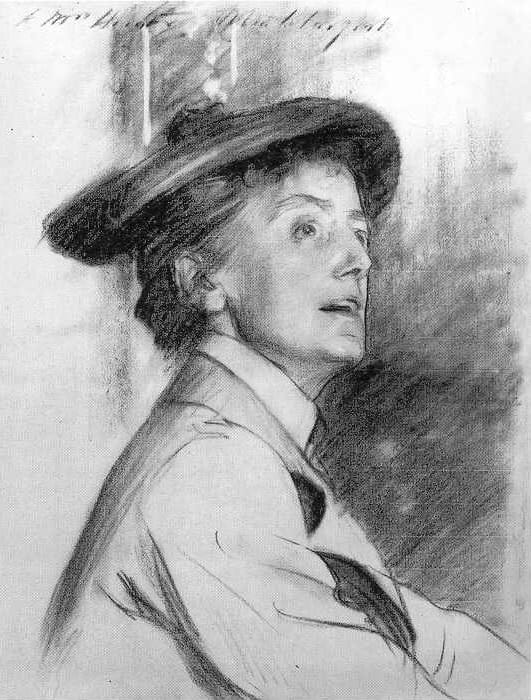
Her writing displays wit, intellectual clarity and sharp observation of the social and musical world of her time. Works such as Impressions That Remained and As Time Went On provide vivid portraits of figures including Johannes Brahms, Clara Schumann and Virginia Woolf.
Smyth’s literary voice is energetic and often humorous, but it also reflects her political convictions. She was an active supporter of the women’s suffrage movement in Britain and famously conducted fellow suffragettes in song from her prison window after being arrested during protests. Through both music and literature, Smyth left a powerful cultural legacy.
Hector Berlioz (1803–1869): Composer and Critic
Hector Berlioz is remembered for revolutionary orchestral works such as Symphonie fantastique and Les Troyens, but he was also one of the most influential music critics of the nineteenth century.
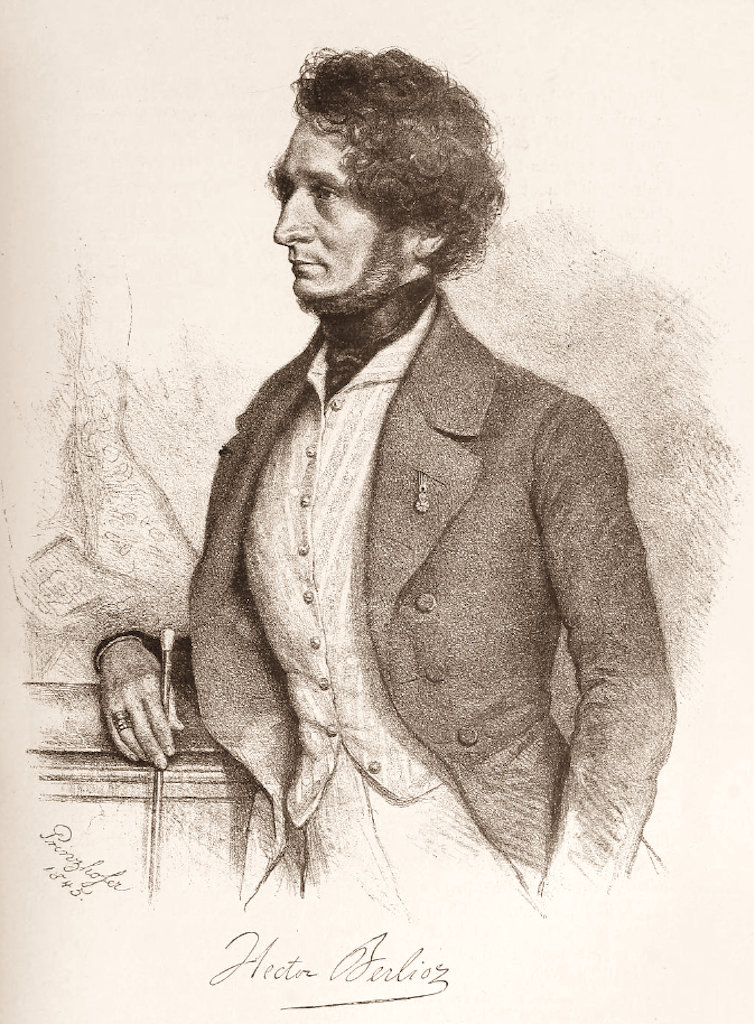
For many years Berlioz wrote for leading Parisian newspapers, producing essays, reviews and cultural commentary. His writing was passionate, witty and often controversial. He did not hesitate to criticise mediocrity or defend composers he admired, including Beethoven and Gluck.
Berlioz’s literary talent culminated in his Memoirs, which remain among the most engaging autobiographies written by any composer. The book combines humour, drama and vivid storytelling, providing an invaluable window into the musical life of nineteenth-century Europe.
Iannis Xenakis (1922–2001): Composer and Architect
Few composers embodied the union of music and architecture as profoundly as Iannis Xenakis. Before achieving fame as a composer, Xenakis worked as an architect and engineer in the studio of the renowned architect Le Corbusier.
His architectural training deeply shaped his musical thinking. Xenakis often approached composition using mathematical models, geometric structures and ideas drawn from engineering. Works such as Metastaseis reflect architectural concepts through sweeping sonic textures and complex spatial design.
One of his most famous architectural contributions was the Philips Pavilion at the 1958 Brussels World’s Fair, designed with Le Corbusier. The structure itself resembled an enormous sculptural form, and it housed an immersive multimedia performance combining sound, light and architecture.
For Xenakis, music, mathematics and architecture were not separate disciplines but interconnected ways of shaping space and time.
Modest Mussorgsky (1839–1881): Composer and Visual Imagination
Modest Mussorgsky’s connection with visual art is most famously expressed in his piano suite Pictures at an Exhibition. The work was inspired by an exhibition of paintings and drawings by his friend Viktor Hartmann.
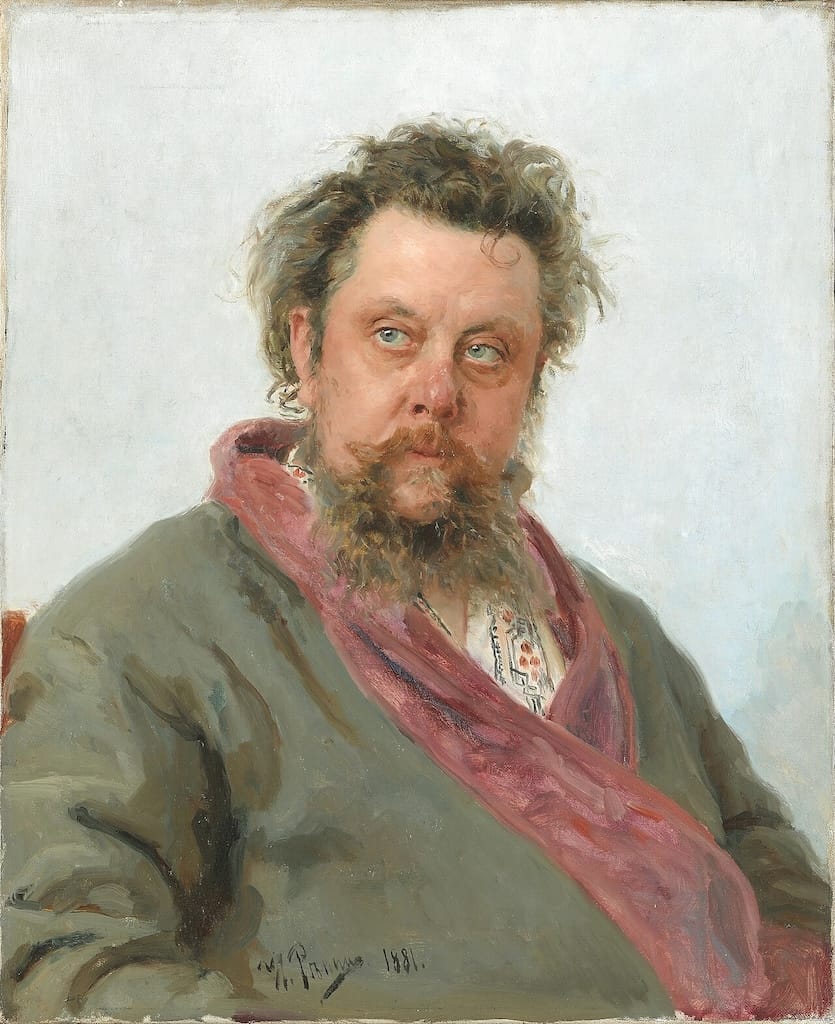
Although Mussorgsky was not himself a professional visual artist, his deep engagement with painting and imagery shaped his compositional thinking. Each movement in Pictures at an Exhibition translates visual impressions into musical form, from the eerie Catacombs to the grand finale The Great Gate of Kiev.
His sensitivity to visual storytelling also appears in his operas, particularly Boris Godunov, where dramatic scenes unfold with cinematic intensity. Mussorgsky’s ability to transform visual ideas into musical expression remains one of the most remarkable examples of cross-disciplinary creativity.
Kaikhosru Shapurji Sorabji (1892–1988): Composer and Writer
Kaikhosru Shapurji Sorabji, the British composer of Parsi heritage, is known for some of the most ambitious and technically demanding piano music ever written. Alongside his vast musical output, Sorabji was also a prolific writer and critic.
He contributed essays and reviews to several music journals, often expressing strong and uncompromising opinions. Sorabji admired composers such as Busoni and Ravel while dismissing others with remarkable bluntness.
His writing reveals an intellect deeply engaged with aesthetics, philosophy and literature. Though sometimes controversial, Sorabji’s essays provide insight into the cultural debates of early twentieth-century music and reflect the same intensity found in his compositions.
Franz Liszt (1811–1886): Composer and Literary Thinker
Franz Liszt was one of the greatest virtuoso pianists of the nineteenth century, but he was also deeply involved in literary and intellectual life. Liszt wrote essays and books on music, many of which played an important role in shaping public understanding of composers such as Chopin and Wagner.
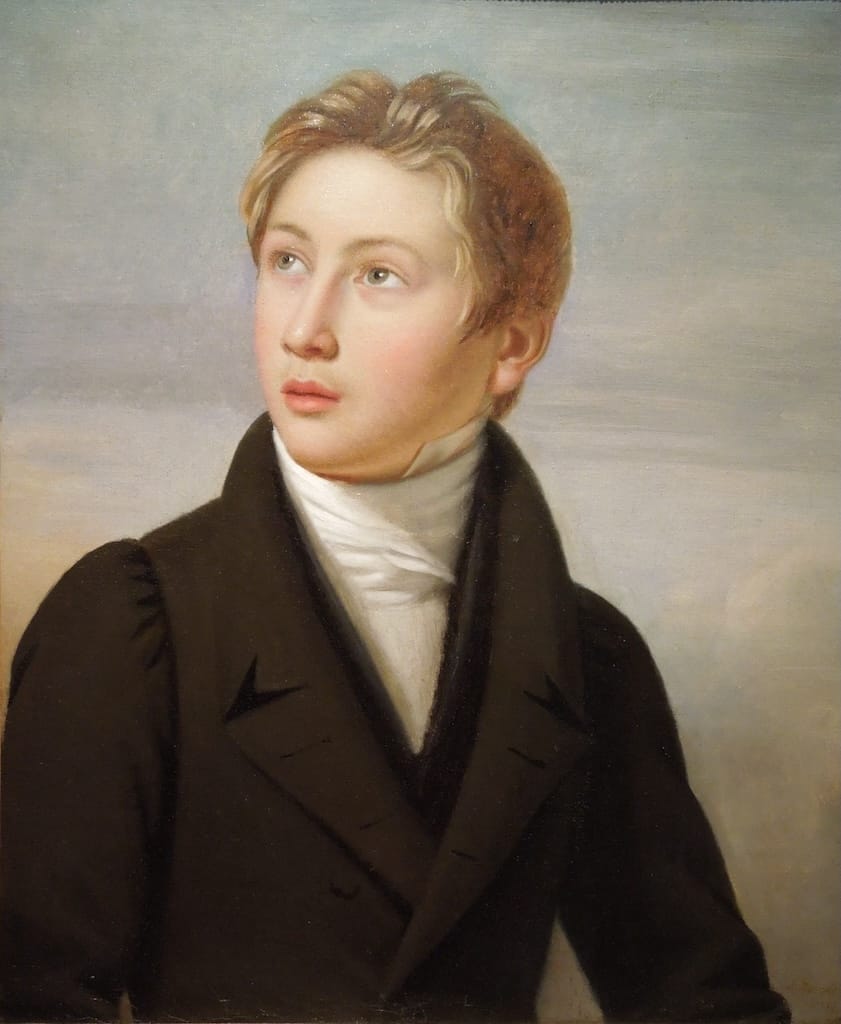
His biography of Chopin remains a notable early study of the composer’s life and artistic personality. Liszt also wrote about the concept of programme music, arguing that instrumental works could convey poetic or narrative ideas.
This literary engagement influenced his own compositions, including the symphonic poems, which often draw inspiration from literature, mythology and philosophy. Liszt’s ability to merge musical and literary imagination helped redefine the expressive possibilities of orchestral music.
John Cage (1912–1992): Composer and Visual Artist
John Cage is widely recognised for redefining the boundaries of music in the twentieth century, but his creative activities extended into visual art, philosophy and experimental writing.
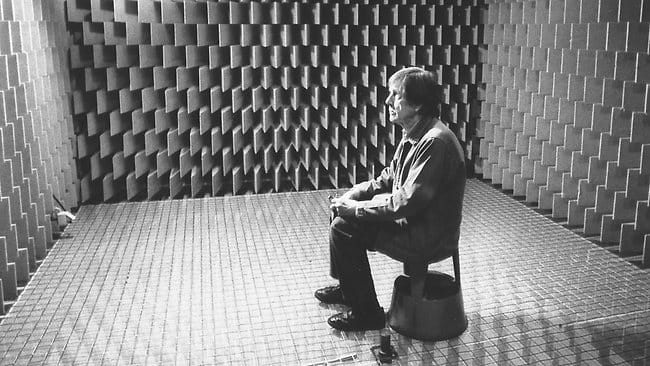
Cage produced numerous visual artworks, particularly late in his life. These often involved chance operations, similar to the compositional techniques he used in music. Many of his prints and drawings were created using natural materials such as stones or plants, allowing unpredictable patterns to emerge.
He also wrote extensively, producing books such as Silence and A Year from Monday, which combine essays, lectures and poetic reflections. Cage’s work across different mediums reflects a consistent artistic philosophy: the embrace of chance, openness and the beauty of everyday sound and experience.
Gustav Mahler (1860–1911): Composer and Poet
Although Gustav Mahler is primarily known for his symphonies and orchestral songs, poetry played a central role in his artistic life. Mahler was deeply drawn to literature and often selected poetic texts that resonated with his philosophical concerns.
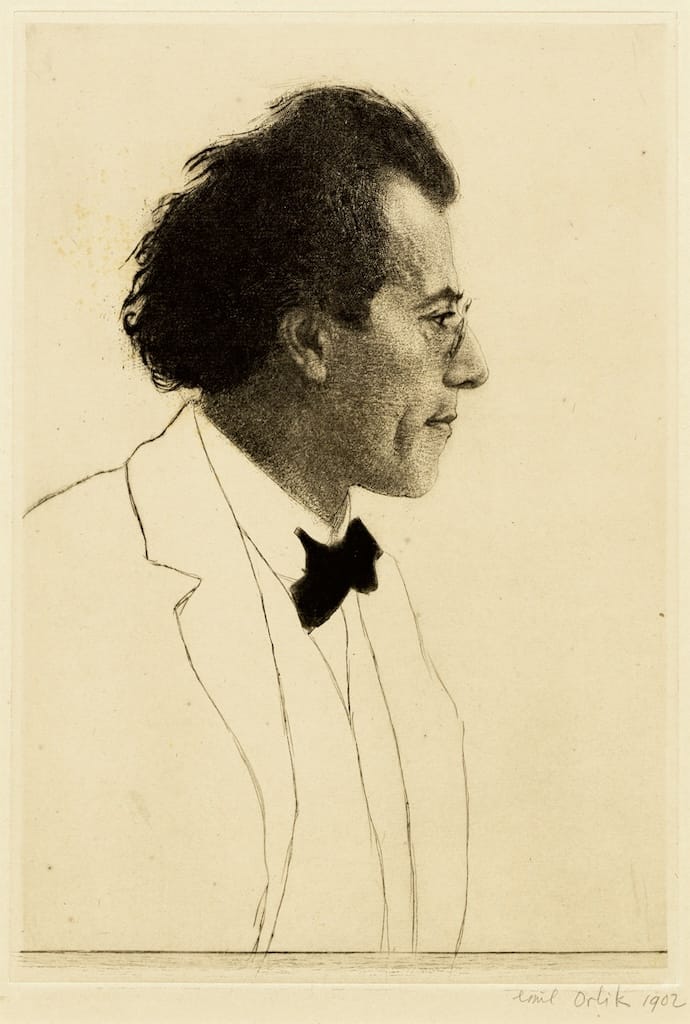
Many of his most famous vocal works are settings of poetry, including the Kindertotenlieder and Das Lied von der Erde. Mahler did not write poetry professionally, but his deep engagement with literary expression shaped his musical language.
His symphonies often feel like vast poetic narratives, exploring themes of nature, mortality and transcendence. Mahler’s musical structures frequently resemble dramatic or literary journeys rather than purely abstract forms.
Creativity Beyond Boundaries
The lives of these composers reveal an important truth about artistic creativity. Music rarely exists in isolation. Literature, painting, science and architecture often shape the way composers think about sound.
In some cases, such as Borodin and Xenakis, another discipline formed the foundation of their intellectual life. In others, such as Schoenberg and Cage, visual art provided an alternative language through which artistic ideas could emerge. Writers like Berlioz and Smyth used literature to reflect upon the musical world around them.
For audiences today, exploring these interdisciplinary connections enriches our understanding of the composers themselves. Their achievements remind us that creativity thrives when ideas cross boundaries between art forms.